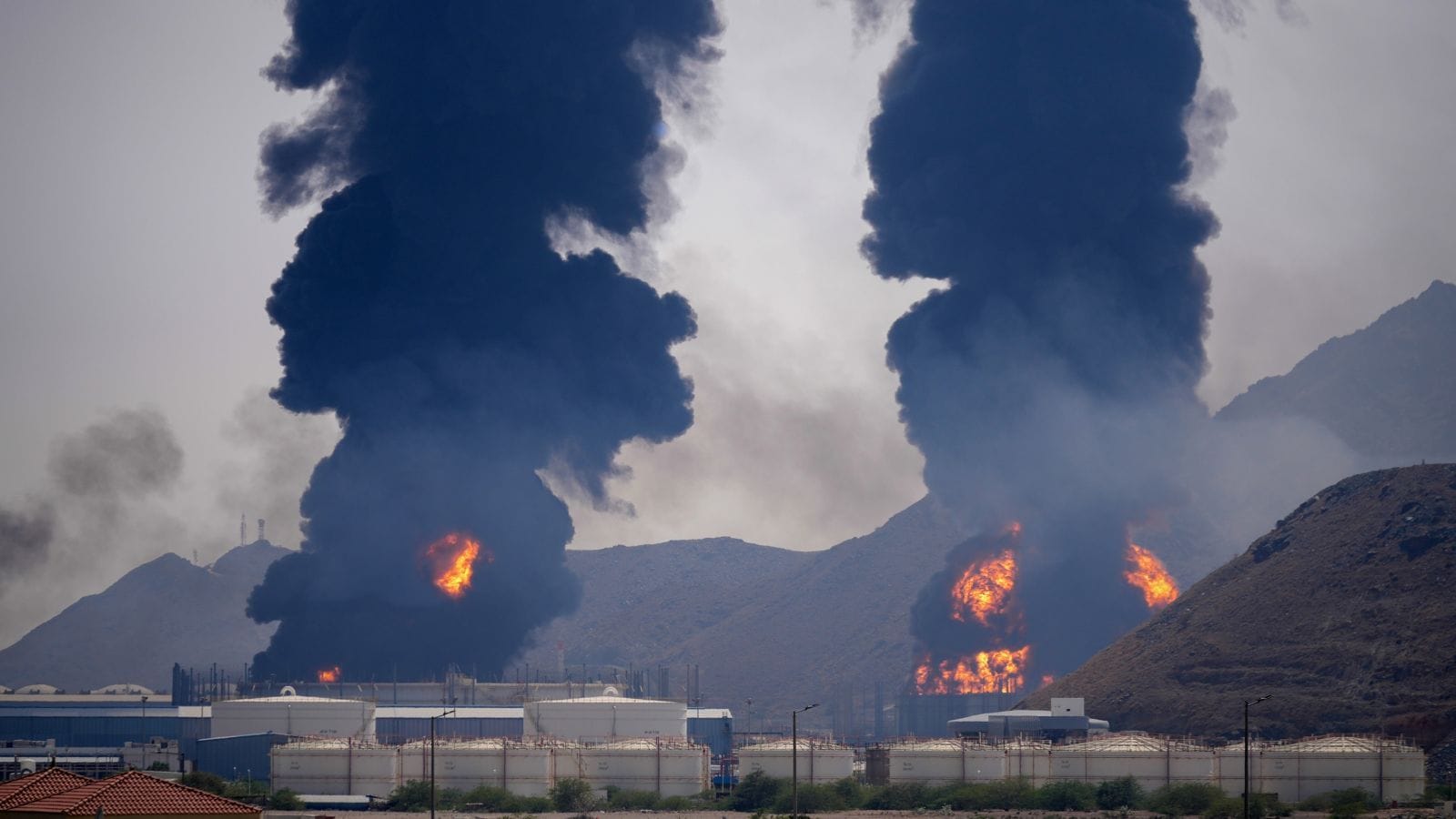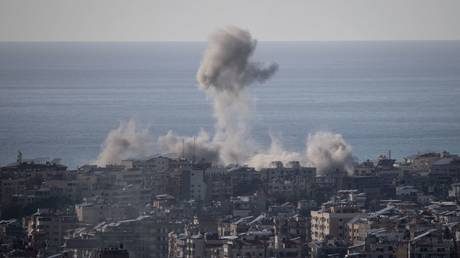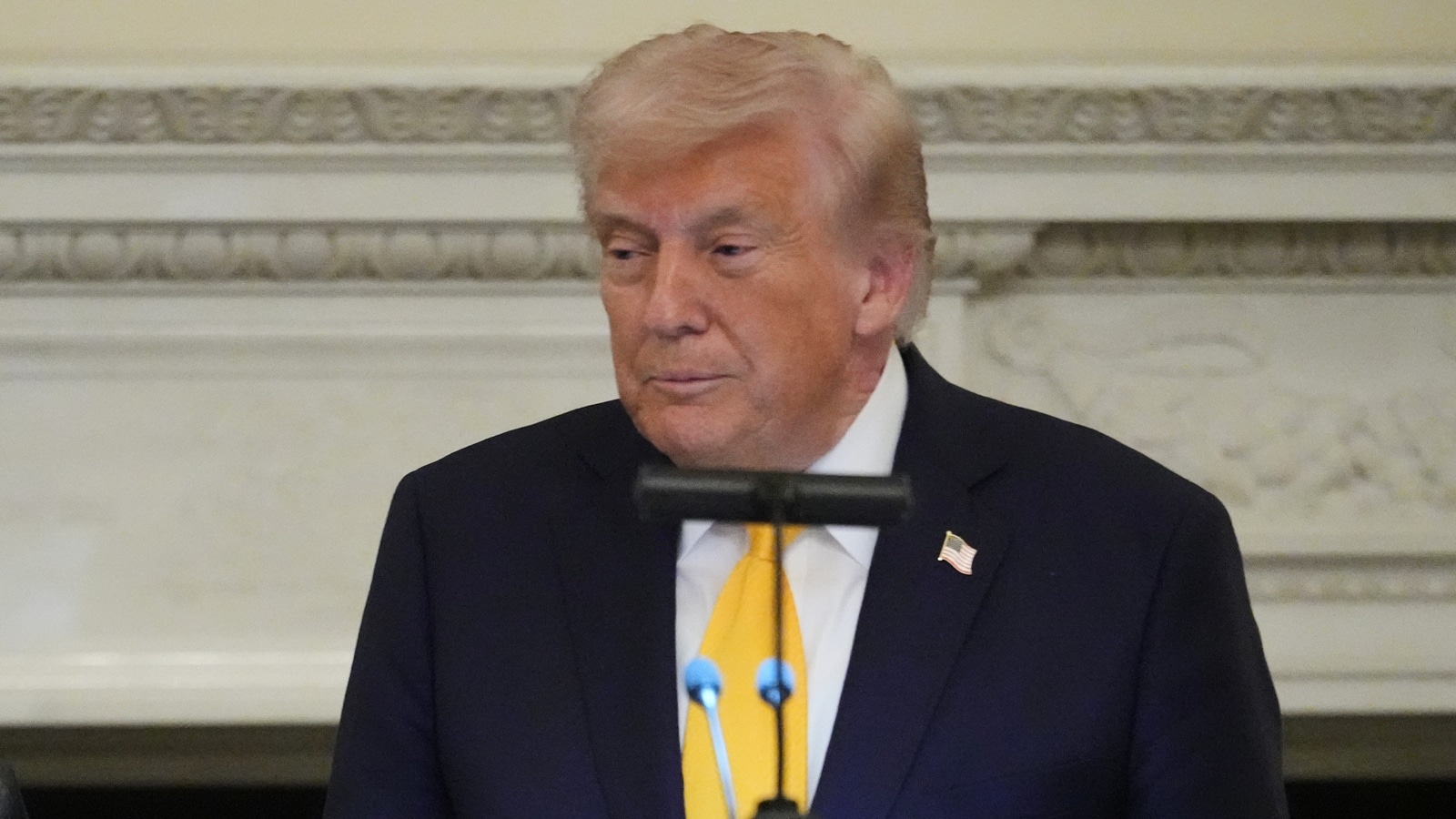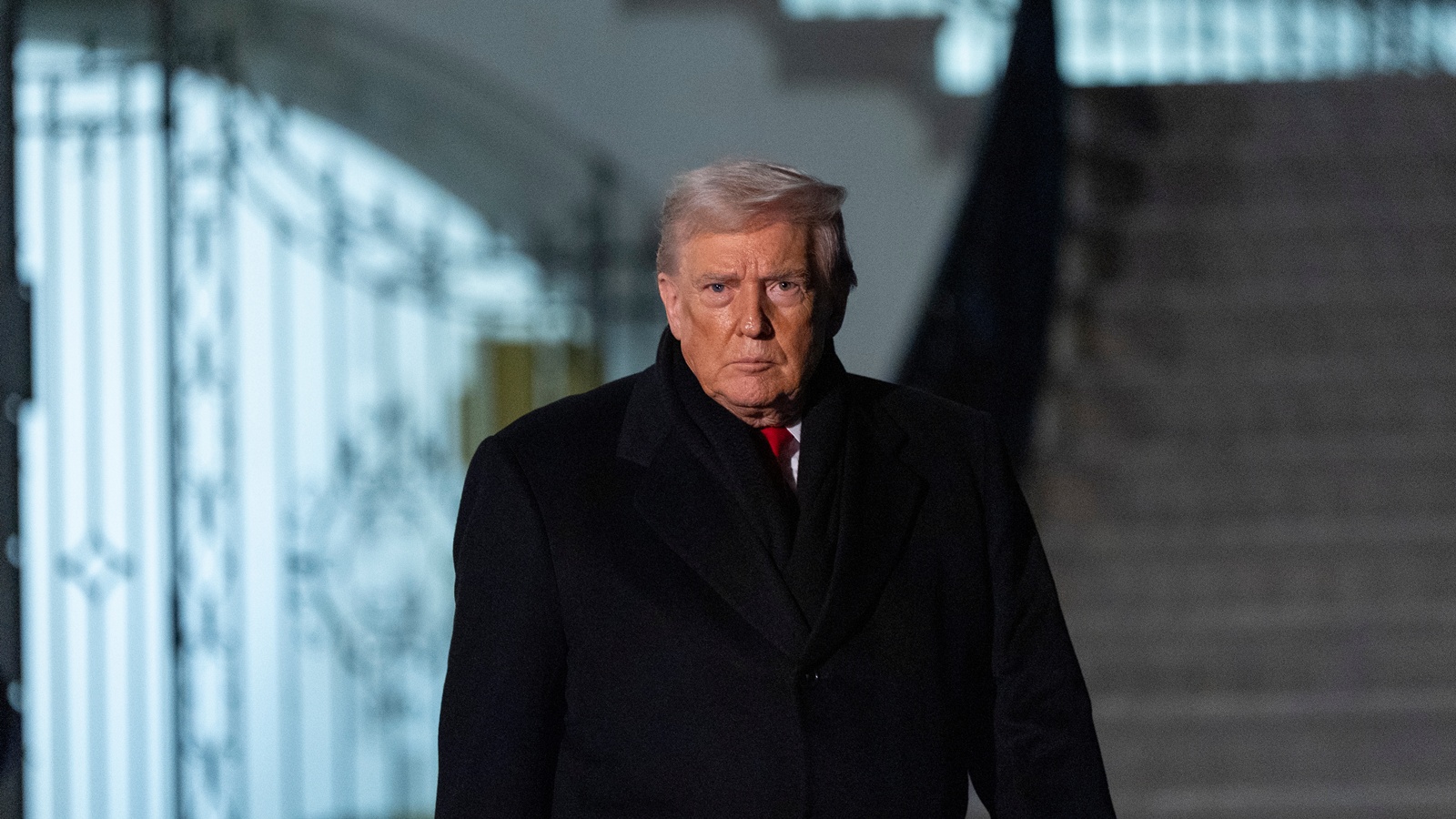
Donald Trump is about to do what he does best—declare victory and head for the exit. Tonight’s prime-time address isn't just another update on "Operation Epic Fury." It's the beginning of the end for a conflict that has strangled global oil markets and pushed U.S. gas prices past $4 a gallon. If you’re looking for a long-term nation-building plan or a detailed democratic roadmap for Tehran, you’re watching the wrong president. Trump wants out, and he’s making it clear that if the rest of the world wants the Strait of Hormuz open, they’re going to have to pick up the tab themselves.
The White House has already signaled the vibe. Trump told reporters yesterday that operations could wrap up in "two to three weeks." That’s a lightning-fast timeline for a war that only started at the end of February. But after striking over 13,000 targets and reportedly wiping out 80% of Iran’s air defenses, the administration feels they've broken enough things to call it a win.
The burden of the Strait
The biggest sticking point isn't the Iranian mainland; it's that narrow strip of water where 20% of the world's oil flows. Right now, it’s a graveyard of tankers and drones. Trump’s message to the UK, France, and the Gulf states is blunt: "Go get your own oil." He’s tired of the U.S. Navy playing world policeman while allies like France refuse overflight rights for supply planes.
Don't expect a graceful transition. Trump’s "exit strategy" looks more like a hand-off to whoever has the most skin in the game. He’s basically telling the international community that the U.S. has done the heavy lifting by degrading Iran’s navy and missile sites. If Europe and Asia want their energy prices to stabilize, they’ll need to form their own coalitions to patrol the waters. It's a "user-pays" model for global security.
Military gains vs economic pains
On paper, the Pentagon is taking a victory lap. White House Press Secretary Karoline Leavitt claims the U.S. has destroyed 150 Iranian vessels, including 92% of their largest ships. The IDF says the Iranian "Axis of Resistance" is crumbling. But at home, the numbers that matter are at the pump.
The war has sent crude prices through the roof. Americans don't care about destroyed radar sites in Mazandaran when it costs $80 to fill up a mid-sized SUV. Trump knows this. He’s seen the S&P 500 jump nearly 3% just on the rumor of an exit. His political survival depends on the economy, and the economy depends on ending this "war of choice" before it turns into a multi-year quagmire.
What a deal actually looks like
Negotiations in Muscat, Oman, have been happening in the shadows for weeks. While Secretary of State Marco Rubio acts the hawk, Jared Kushner and Steve Witkoff have been working the back channels. The Iranians are desperate; their infrastructure is trashed, and they’re offering to dilute their 60% enriched uranium if sanctions vanish.
Trump’s "15-point plan" likely involves:
- A permanent freeze on Iranian nuclear enrichment.
- A "joint arrangement" for managing the Strait of Hormuz (though Trump wants others to lead it).
- Immediate sanctions relief for oil already on tankers.
It’s not a perfect peace. It’s a business deal. Critics will say he’s leaving the job half-finished, especially with the IRGC still active and the Strait potentially remaining a flashpoint. But Trump’s "America First" logic is consistent: we came, we hit them hard, now someone else can deal with the cleanup.
The fallout for allies
The mood in London and Paris is somewhere between panic and fury. British Defense Secretary John Healey is trying to remind everyone that the U.S. and UK are "uniquely close," but Trump isn't moved. He’s still fuming that Britain didn't jump into the "decapitation" phase of the campaign with enough enthusiasm.
If you’re a US ally, the lesson is clear: don't expect a seat at the table if you didn't bring a dish to the potluck. This shift away from traditional NATO-led security is the real story tonight. Trump is rewriting the rules of engagement in real-time, prioritizing domestic gas prices over international stability.
Watch the markets tonight. If Trump sounds like he’s ready to sign a deal, oil will drop "like a rock," as he put it. If he leans into the threats against civilian energy infrastructure, get ready for a long, expensive summer.
Your next steps are simple:
- Watch the speech at 9 PM ET for the specific "two-week" commitment.
- Monitor the Brent crude index immediately following the address.
- Expect a massive diplomatic push from the Gulf states to fill the vacuum the U.S. is about to leave.