The siren wails in Dubai aren't just background noise anymore. As the conflict hits day 33, the rhythm of life in the Gulf has fundamentally shifted from "business as usual" to a calculated state of high-alert survival. If you've been following the headlines, you've seen the flash: Saudi Arabia just swatted more Iranian drones out of the sky. But don't let the "successful interception" press releases fool you. While the Patriot and THAAD systems are doing their jobs, the sheer persistence of these attacks is rewriting the rules of security for every resident and investor in the region.
Saudi Arabia's Ministry of Defence, led by spokesperson Major General Turki Al-Malki, confirmed the destruction of two more drones in the last few hours. This isn't an isolated incident. It’s part of a relentless 792-hour barrage that has turned the skies over the Emirates and the Kingdom into a kinetic chess match. For those living in the shadow of the Burj Khalifa or the skyscrapers of Riyadh, the question isn't just "are we safe?" but "how long can this defensive shield hold?"
The Reality of Interception Debris
We need to talk about what "intercepted and destroyed" actually looks like on the ground. When a multi-million dollar interceptor hits a Shahed-style drone at Mach speed, the threat doesn't just vanish into thin air. It turns into a rain of molten metal and unspent fuel.
Just yesterday, in southern Dubai, this reality hit home—literally. Debris from a successful hit fell on residential villas, injuring four people and causing significant property damage. In Fujairah, the situation turned tragic when falling fragments killed a worker on a local farm. It’s a grim reminder that even when our tech "wins," there’s a physical cost.
The psychological toll is just as heavy. Look at the streets of Dubai right now. You’ll see a heart-breaking side effect of this 33-day tension: abandoned pets. Local vets are reportedly overwhelmed as fleeing expats leave behind cats and dogs, sometimes tied to poles or left in the desert. It’s a raw, unfiltered look at the panic bubbling beneath the surface of one of the world’s most polished cities.
Why Saudi Arabia Stepped Up
For weeks, the Kingdom tried to walk a fine line. They didn't want to be an active participant in the US-Israel-Iran firestorm. But you can only watch so many drones fly toward your oil fields before the policy changes.
Riyadh has now granted the U.S. expanded access to King Fahd Air Base. This is a massive shift. Before the war, this was a "red line" for Saudi sovereignty. Now? It’s a necessity. By allowing offensive strikes to launch from their soil, the Saudis have effectively ended their neutrality. They've decided that the risk of a full-scale regional war is lower than the risk of letting Iran dictate the terms of Gulf security.
The Economic Gut Punch
If you think this is just a military story, check your latest fuel bill. The UAE Fuel Price Committee just dropped the April 2026 rates, and they're staggering. Super 98 has jumped to Dh3.39 per litre. That’s a massive leap from Dh2.59 just last month. Diesel is even worse, skyrocketing from Dh2.72 to Dh4.69.
This isn't just "market volatility." It’s the price of a war that has seen:
- Oil production in the UAE drop by nearly 800,000 barrels per day.
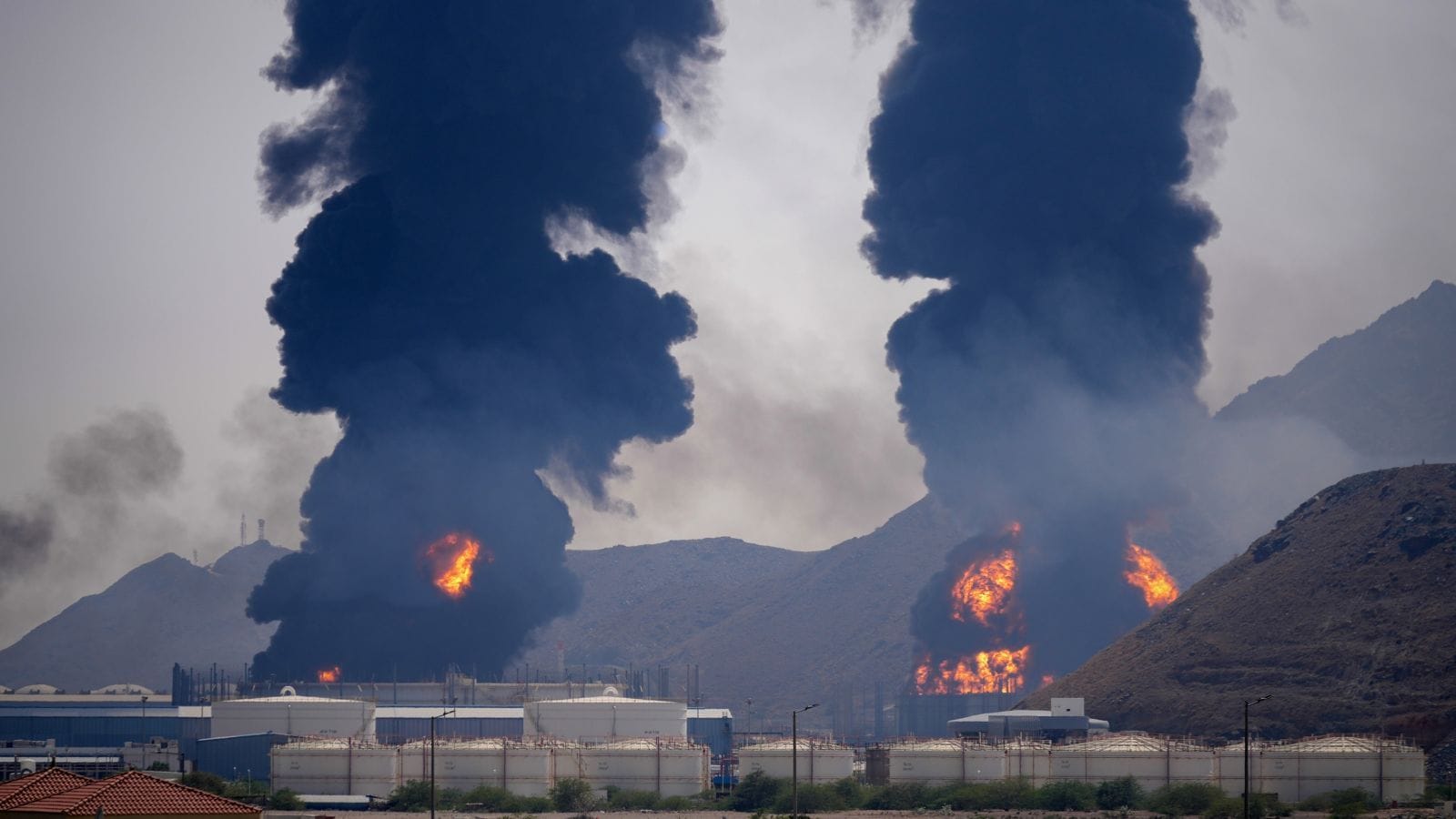
- Tankers like the Al Salmi struck by drones right off the Dubai port.
- Insurance premiums for shipping in the Gulf hitting "prohibitive" levels.
Basically, the "Dubai dream" of cheap living and infinite growth is facing its most aggressive stress test since the 2008 crash. The fact that the KHDA extended distance learning for another two weeks tells you everything you need to know about the government's current confidence in "normalcy."
Trump’s Two Week Timeline
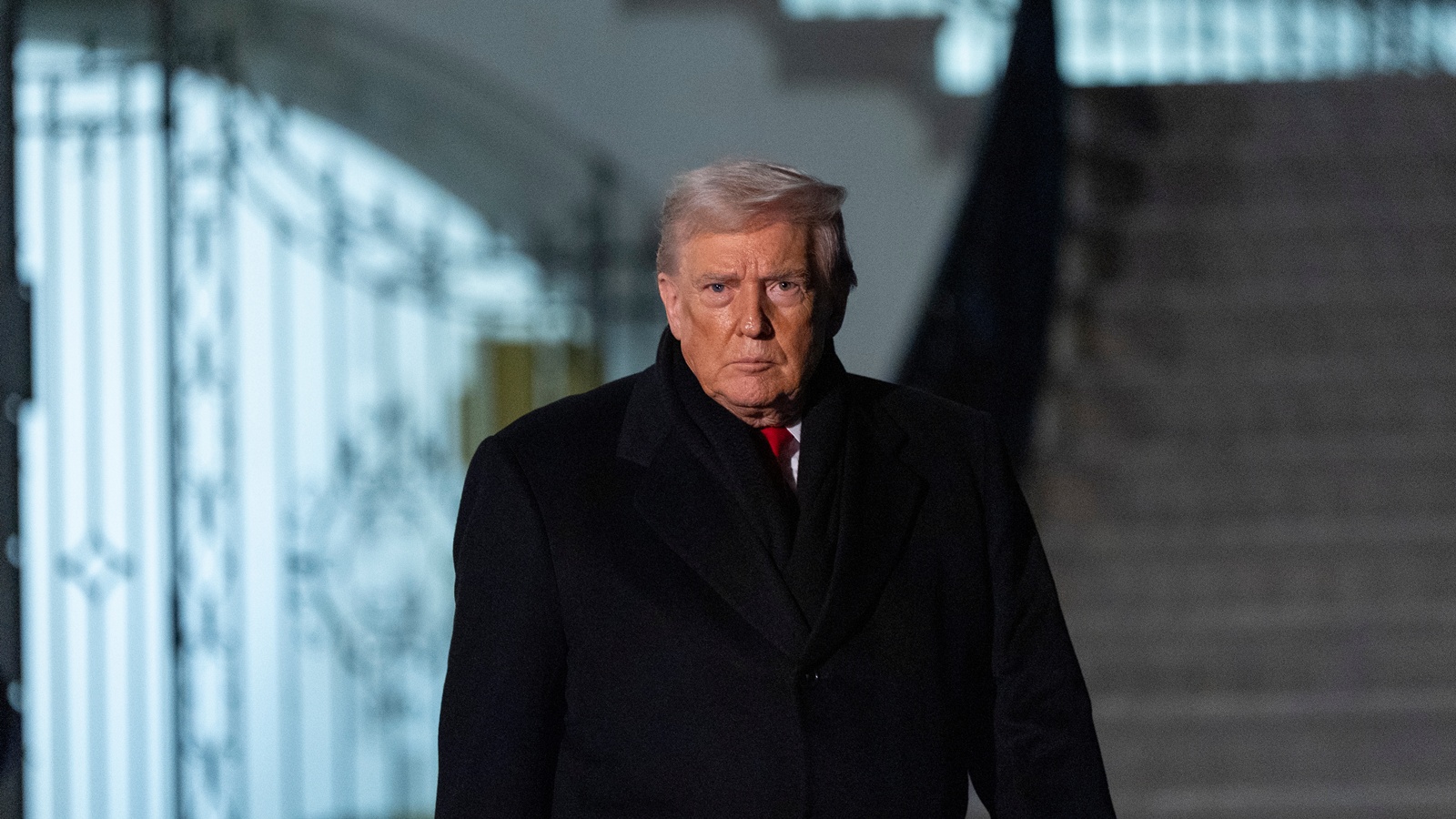
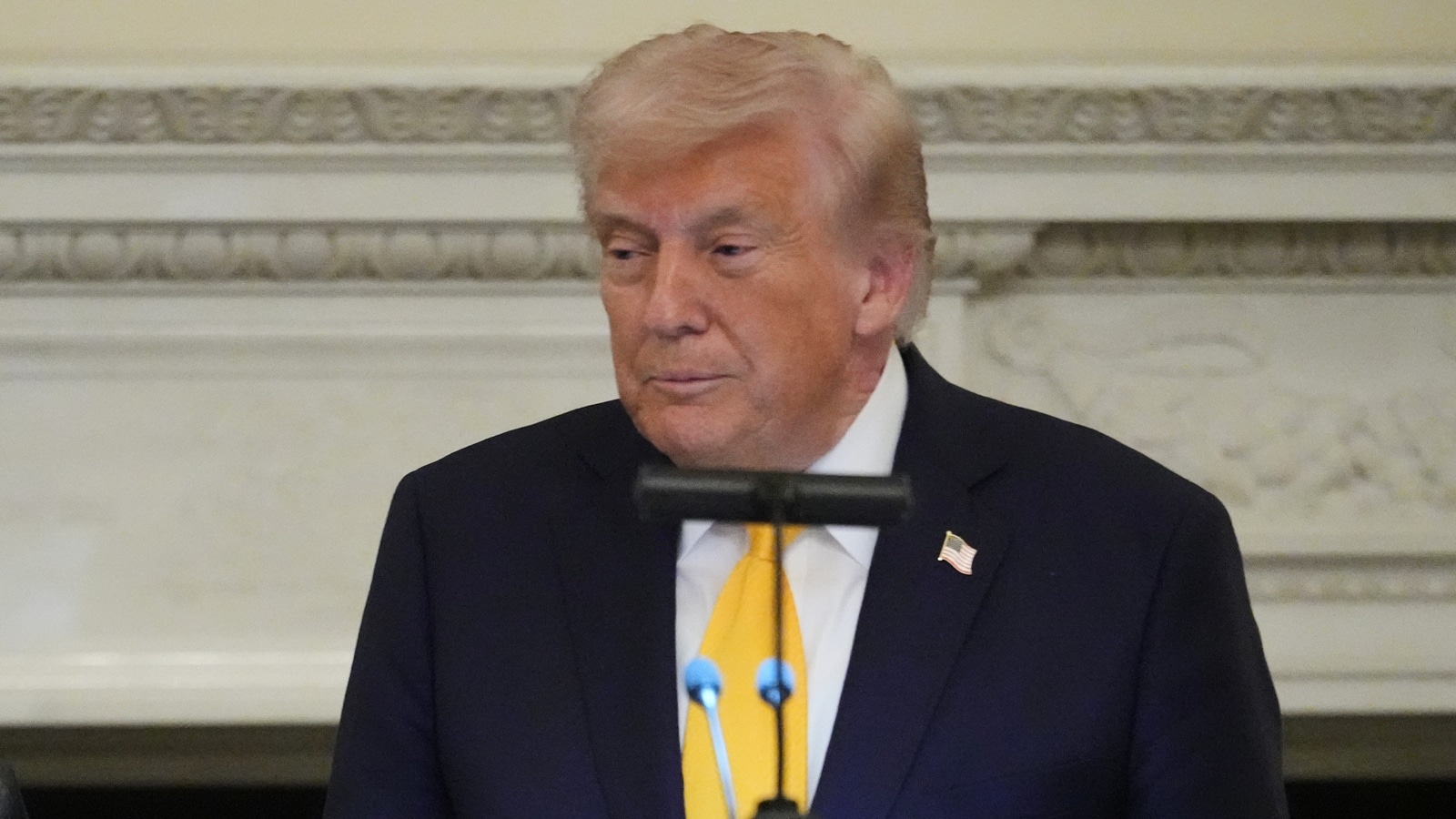
In the middle of this chaos, Donald Trump dropped a bombshell from the White House, claiming the U.S. could be out of Iran in "two weeks, maybe three." He says he wants to "finish the job" and get out to bring fuel prices down.
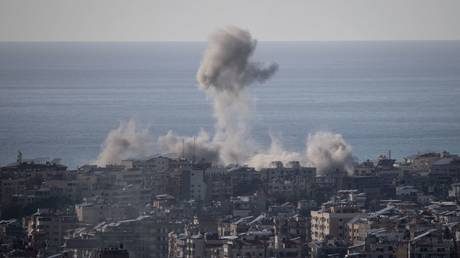
Honestly, take that with a huge grain of salt. While Asian markets rallied 4% on the news, the reality on the ground in Tehran and Beirut doesn't look like a "two-week" wrap-up. Israel is still striking senior Hezbollah commanders in the heart of Beirut, and the Houthis are launching joint operations with Iran and Hezbollah to target Israeli assets. We aren't seeing a de-escalation; we're seeing a climax.
Your Immediate Move
If you're in the UAE or Saudi right now, "waiting and seeing" is a bad strategy. You need to be proactive about your logistics and safety.
- Fuel Up and Stock Up: With diesel prices nearly doubling, expect supply chain lag. Food and consumer goods prices will follow those diesel hikes within 72 hours.
- Follow the Law, Seriously: The UAE has already arrested dozens of people for filming air defence operations or sharing "unauthorized" footage on social media. They're monitoring influencers and private accounts. Don't be the person who gets deported for a 10-second TikTok of a missile trail.
- Check Your Insurance: If you own property or a business, verify if your policy has a "War and Terror" exclusion clause. Most standard policies won't cover "interception debris" damage unless you have specific riders.
The war is on day 33, and while the drones are being shot down, the impact is landing everywhere. Stay sharp, keep your notifications on, and don't trust a "quiet" night as a sign that it's over.