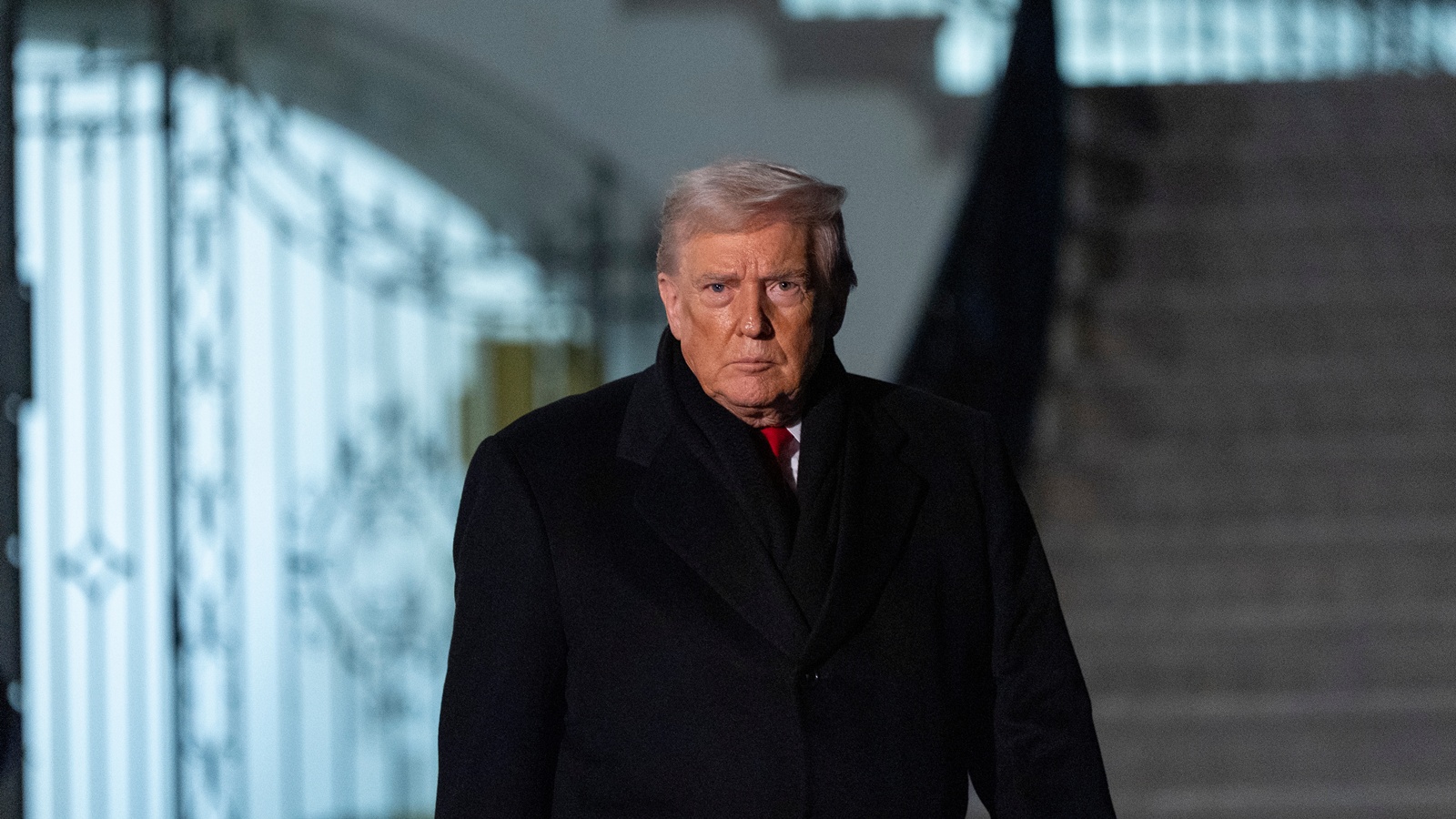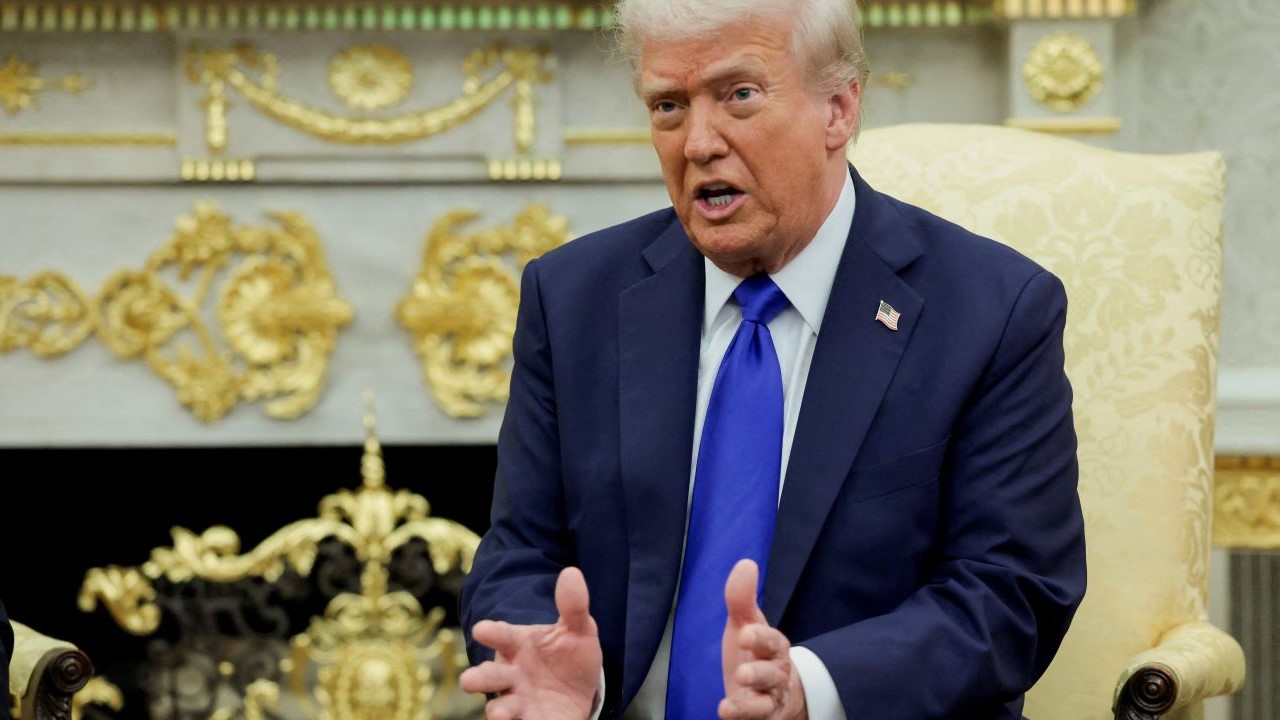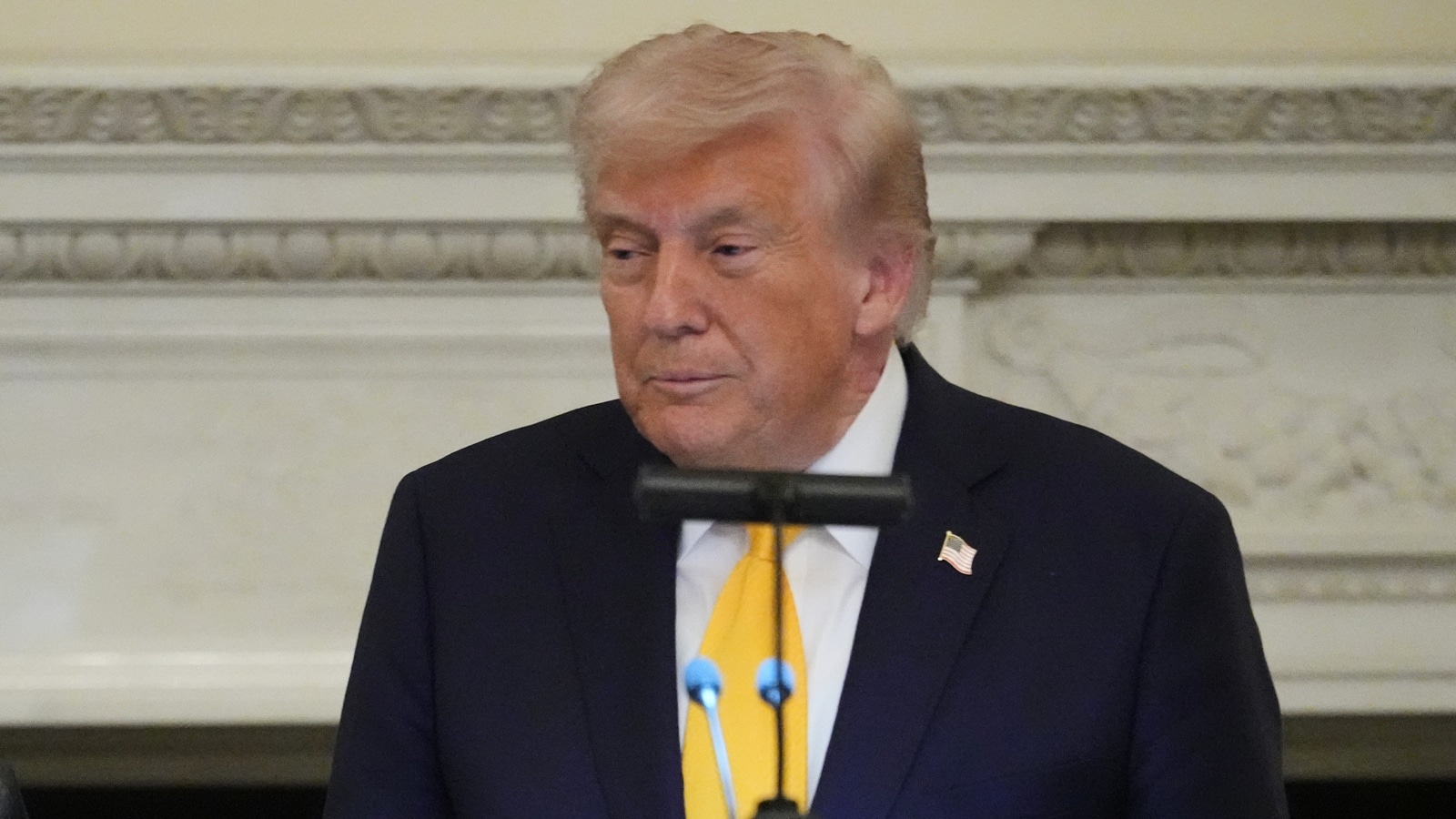
Donald Trump just told the world he's done with Iran. After roughly thirty days of "Operation Epic Fury," the President announced from the White House that U.S. forces will head home in two to three weeks. If you’re looking for a signed treaty or a formal surrender ceremony, don't hold your breath. Trump’s new stance is simple: we won, they’re broken, and we’re leaving because we have better things to do.
It’s a massive shift in the goalposts. Just a month ago, the rhetoric was about "unconditional surrender" and picking Iran's next leader. Now, the administration is pivoting to a "mission accomplished" narrative based on the idea that Iran’s nuclear and missile capabilities are too trashed to matter anymore. Whether that’s true or just a convenient exit strategy is the $200 billion question.
The Reality of the Two Week Timeline
Trump doesn't want a long war. He never has. Despite the aggressive airstrikes that began on February 28, 2026, he's consistently worried about the "quagmire" label that haunted his predecessors in Iraq and Afghanistan. By setting a 14-to-21-day clock, he's forcing a conclusion to a conflict that was starting to look expensive and politically risky.
The Pentagon claims they’ve knocked out 90% of Iran’s missile launchers. Defense Secretary Pete Hegseth says the Iranian Navy is basically a memory, with over 150 vessels destroyed or disabled. From Trump’s perspective, if the hardware is gone, the threat is gone. He told reporters, "They will have no nuclear weapon. And that goal has been attained." He’s basically saying the job is finished, even if the Iranian government is still standing and still very angry.
What Happens to the Strait of Hormuz
This is where it gets messy for everyone else. The Strait of Hormuz is the world's most important oil chokepoint, and it’s currently a graveyard of shipping schedules. While Trump claims victory, the Strait isn't exactly "open for business" in the traditional sense.
Trump’s message to his allies—especially the Europeans who didn't want to play ball with his military campaign—is blunt: Go get your own oil. He’s making it clear that the U.S. isn't going to spend American lives and tax dollars to patrol the Persian Gulf forever just so France or Germany can have cheaper gas.
- Global Oil Prices: Brent crude has already spiked past $124 a barrel.
- The "Take It" Doctrine: Trump told allies that if they want the oil flowing, they should go to the Strait and "just TAKE IT" themselves.
- The Burden Shift: Washington is tired of being the world's maritime security guard.
This isn't just about Iran. It’s a fundamental restructuring of how the U.S. views its responsibilities in the Middle East. If you aren't an active partner in the fight, don't expect a free ride on the security.
Why the Goalposts Moved So Fast
Politics is a game of results, and the 2026 midterms are looming. Gas prices in the U.S. hit $4 a gallon recently, and that’s a number that kills incumbent parties. Trump needs this war to be over before it starts hurting his base at the pump.
Early on, the goal was "regime change" in all but name. There was talk of "Operation Midnight Hammer" and the total collapse of the Islamic Republic. But the Iranian regime didn't collapse. They decentralized their command, used their proxies, and kept the Strait of Hormuz a mess. When the "quick win" didn't result in a new government in Tehran, the White House redefined what "winning" looked like.
Winning now means "degrading capability." It’s much easier to prove you blew up a factory than it is to prove you’ve changed a nation’s soul. By focusing on the destruction of the Iranian missile industry, Trump can claim a technical knockout and leave the ring before he gets caught in a clinch.
The NATO Friction Point
Secretary of State Marco Rubio hasn't been shy about his frustration. He’s already suggesting a reexamination of NATO because countries like Italy and Spain refused to let U.S. planes use their bases for the Iran strikes.
It’s a "one-way street," according to Rubio. The administration is using the tail end of the Iran war to settle scores with European allies who they feel are dragging their feet. If you won't help us stop a "nuclear threat," why should we care about your borders? This friction is going to outlast the actual shooting in Iran.
The Economic Fallout
You should keep an eye on the markets over the next 20 days. BlackRock’s Larry Fink has already warned that if the Strait remains unstable after the U.S. pulls back, we could see $150 oil. That’s recession territory.
Trump is betting that by announcing a withdrawal, he can "calm the markets." He thinks the mere promise of an exit will bring prices down. He’s already issued 30-day sanctions waivers to get more oil into the system. It’s a high-stakes gamble: he’s trying to starve the Iranian regime of its military power while simultaneously trying to keep the global economy from choking.
Your Next Steps
- Watch the Energy Sector: With the U.S. stepping back from Hormuz, expect volatility. If European powers actually try to "take" the Strait as Trump suggested, prices will swing wildly.
- Monitor the Midterm Rhetoric: Listen for how the administration frames the "destruction" of the Iranian military. This will be the centerpiece of the 2026 campaign trail.
- Prepare for a "Cold" Middle East: The war might be "ending," but the region is far from stable. A degraded Iran is still a dangerous Iran, especially with nothing left to lose.
The U.S. is leaving. Whether it's leaving a victory or a vacuum is something we’re about to find out.