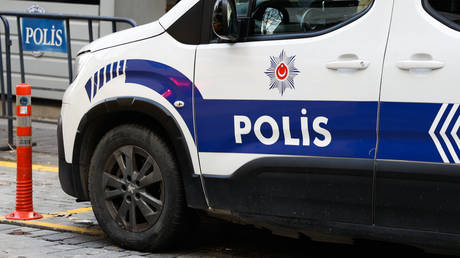
A school shooting just shattered the peace in Türkiye. It's the kind of news that stops you in your tracks because it feels so out of place in a country where gun laws are traditionally seen as restrictive. Families dropped their kids off at the gates expecting a normal Tuesday, only for the day to turn into a nightmare of sirens and social media rumors. This isn't just another headline. It’s a wake-up call for a region that’s seeing a shift in how violence manifests in public spaces.
The reality on the ground is messy. When a gunman enters a Turkish school, the response isn't just about law enforcement; it's about a culture trying to process a type of trauma that used to be "someone else's problem." You see the videos on X and Telegram before the official reports even drop. It's chaotic. It's raw. And honestly, it's terrifying for every parent from Istanbul to Ankara.
The Breaking Point at the School Gates
The incident occurred during school hours, catching security and staff completely off guard. We aren't talking about a massive military operation. This was a single individual with a firearm and a grudge. In Türkiye, school security usually consists of a gatekeeper or a private security guard, often unarmed or minimally equipped. They aren't prepared for an active shooter scenario. They're prepared to keep out trespassers and manage traffic.
Initial reports from the scene described a scene of absolute panic. Students barricaded themselves in classrooms. Teachers, many of whom have never had active shooter training, had to make split-second decisions to save lives. It's easy to judge from the outside, but when you're in a hallway and hear shots echoing off lockers, instinct takes over.
The suspect's motives often trace back to personal grievances, but that doesn't make the outcome any less devastating. Whether it's a former student, a disgruntled employee, or someone with a vendetta against the administration, the result is the same. Lives are changed forever. The physical wounds might heal, but the psychological scars on these kids will take years to fade.
Why Türkiye Is Seeing a Rise in Gun Violence
You might think Türkiye has tight control over weapons. On paper, it does. To get a legal handgun or rifle, you've got to jump through hoops, pass health checks, and pay hefty fees. But there's a massive "gray market" that nobody wants to talk about. Unlicensed firearms are everywhere. You can find them through word-of-mouth or on the dark corners of the internet with terrifying ease.
The numbers don't lie. Data from organizations like the Umut Foundation shows a steady climb in individual armed violence across the country over the last decade. It’s a toxic mix of economic stress, social polarization, and the glamorization of "tough guy" culture in popular media. When people feel like the system won't protect them or give them justice, some start looking for a shortcut. That shortcut is often a trigger.
- Illegal sales: Black market weapons are often smuggled or converted from blank-firing pistols.
- Social media influence: Violence is often broadcasted, giving others a "blueprint" for their own lashing out.
- Mental health gaps: Türkiye’s mental health infrastructure is stretched thin. People who need help often slip through the cracks until it's too late.
The Failure of Current School Security Protocols
Let's be real. The "security" at most Turkish schools is a joke. It’s theater. A turnstile and a guy in a uniform don't stop a determined person with a weapon. Most schools focus on preventing students from skipping class rather than keeping violent intruders out.
I've talked to educators who feel completely exposed. They don't have panic buttons. They don't have reinforced doors. In many older buildings, the layout is a literal trap. There's usually one main entrance and a couple of locked fire exits that might not even open in an emergency. It's a disaster waiting to happen, and this recent attack proved it.
The Ministry of National Education has talked about "security packages" for years. They've promised more cameras and better fencing. But cameras only record your demise; they don't prevent it. We need a fundamental shift in how we view the safety of our children. That means professional security training, better emergency communication systems, and actual drills that aren't just checked off a list for compliance.
Psychological Aftermath and the "Copycat" Risk
The danger doesn't end when the police lead the gunman away in handcuffs. That's actually when the second wave of the crisis begins. School shootings have a "contagion" effect. When one happens, it dominates the news cycle, and somewhere, another person with a dark plan is watching. They see the attention. They see the infamy.
Psychologists in Türkiye are already warning about the trauma ripple effect. It's not just the kids who were in the building. It's every student in the district who now wonders if they're next. It's the parents who are now hovering over their phones every second their child is at school.
We have to stop turning these shooters into "anti-heroes" by digging into their manifestos or giving them hours of airtime. Focus on the victims. Focus on the teachers who stood in the way. If we don't change the narrative, we're just feeding the cycle.
Turning the Tide on Campus Safety
The government's response so far has been predictable. Condemnations, promises of a "thorough investigation," and perhaps a few more police patrols for a week or two. That’s not enough. We need systemic change.
First, the crackdown on illegal firearms has to be more than a PR stunt. It’s too easy to buy a gun in this country. Period. There needs to be a zero-tolerance policy for unlicensed possession, with actual consequences that act as a deterrent.
Second, schools need a budget for real security. Not just a guy at a desk, but integrated systems. This includes:
- Silent Alarms: Direct links to local police stations that don't alert the shooter but get help moving instantly.
- Standardized Drills: Every school in Türkiye should be running active shooter drills twice a year. It sounds "American" and "harsh," but it’s the reality of the world we live in now.
- Mental Health Counselors: Every school needs a dedicated professional who isn't just there to help with grades, but to identify the red flags of violent behavior before it boils over.
If you're a parent, don't wait for the Ministry to act. Go to your school board meetings. Demand to see the security plan. Ask who is guarding the back gate. Check if the "security cameras" actually work or if they’re just plastic shells. Security is a shared responsibility, and after this latest tragedy in Türkiye, being "polite" about your concerns is no longer an option.
Pressure your local representatives to increase school safety funding. Join community watch programs. Talk to your kids about what to do if they see something suspicious online. The time for "it can't happen here" is officially over. We’ve seen the evidence. Now, we have to deal with it.