Grief is not a political strategy.
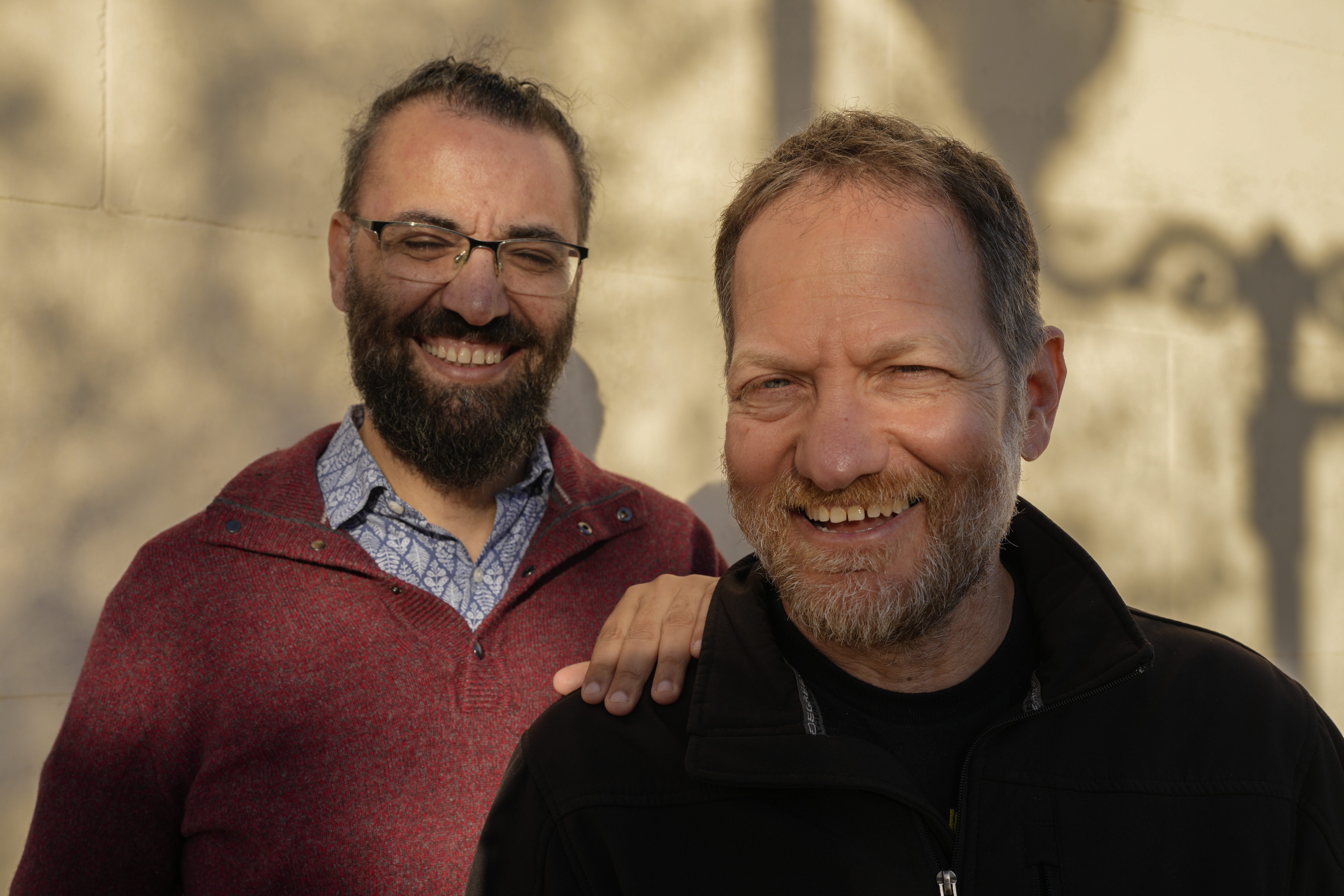
Every time a headline circulates featuring a bereaved Israeli and a grieving Palestinian shaking hands, the international community lets out a collective sigh of relief. We buy into the "bridge-building" narrative because it’s easy. It’s cinematic. It makes us feel like the solution to a century of geopolitical friction is simply a matter of humanizing the "other."
It’s a lie. Worse, it’s a distraction that actively prevents structural change.
The industry of "dialogue" has become a multi-million dollar buffer zone that protects the status quo. By focusing on individual emotional catharsis, these initiatives strip the conflict of its material reality—land, resources, law, and power. You cannot solve a property dispute by asking the evicted and the landlord to cry in the same room.
The Narcissism of the Bridge Builder
The "common humanity" trope is the lazy man's diplomacy. It operates on the flawed premise that the conflict persists because people just don't realize their neighbors are human.
The people on the ground aren't confused. They don't need a workshop to understand that the person across the wire feels pain. They know. They see it every day. The conflict continues not because of a lack of empathy, but because of a clash of irreconcilable national projects.
When NGOs and media outlets prioritize these "unlikely friendship" stories, they perform a sleight of hand. They move the goalposts from Justice to Harmony.
- Justice requires uncomfortable concessions, legal shifts, and often, the dismantling of existing power structures.
- Harmony just requires a good photographer and a press release.
I have watched well-meaning donors pour astronomical sums into "coexistence" camps while the actual infrastructure of separation grows taller. We are funding the aesthetics of peace while ignoring the mechanics of war. It is a form of moral vanity that serves the observer more than the victim.
The Asymmetry Trap
The fatal flaw in the "Bereaved Parents" narrative is the forced equivalence. The competitor article wants you to believe that two people sharing the same magnitude of loss creates a level playing field.
It doesn't.
Loss is universal; power is not. In any other industry, ignoring the power dynamic between two parties would be considered professional malpractice. In the "peace-building" world, it’s the standard operating procedure.
By framing the issue as "two sides needing to move past their pain," we treat the conflict like a tragic misunderstanding between equals. It ignores the reality of military administration, legal disparity, and sovereign rights. When you neutralize the politics to focus on the person, you inadvertently sanitize the systemic issues causing the deaths in the first place.
Peace is a Technical Problem, Not a Therapy Session
Stop asking how these people feel. Start asking how they live.
If you want to actually disrupt the cycle, you have to move away from the "heartstrings" economy. Real progress in high-intensity zones doesn't come from joint art projects or shared grief sessions. It comes from:
- Water Equity: Shared management of the Mountain Aquifer.
- Trade Integration: Specific, boring, technical agreements on customs and transit.
- Legal Recourse: Hard-coded rights that exist regardless of who is in power.
These aren't "inspirational." They don't make for viral social media content. But they are the only things that actually move the needle.
The obsession with "dialogue" creates a "Professional Peace-Seeker" class—people who are experts at navigating international conferences but have zero influence over the hardline elements in their own communities. We are talking to the people who are already convinced, while the actual power brokers are in a different room entirely, laughing at the naivety.
The High Cost of Soft Solutions
There is a measurable downside to this focus on personal narratives. It creates "Normalization Fatigue."
When you spend thirty years promoting the same three stories of cooperation while the material conditions on the ground get worse, you breed cynicism. The youth in Ramallah and Tel Aviv don't look at these joint initiatives as beacons of hope. They look at them as "co-resistance" failures or "hasbara" tools.
The "peace" being sold is a luxury good for Western consumption. It’s a way for the global North to look at a messy, violent situation and say, "Look, they can get along if they try." It absolves the international community of the need to take hard, unpopular political stances by suggesting that the solution lies in the private hearts of the victims.
Stop Humanizing and Start Legalizing
The most contrarian thing we can do is stop caring about whether these two groups like each other.
History is full of groups that hated each other but lived in a functional, non-violent society because the costs of conflict outweighed the benefits of war. That is a structural calculation, not an emotional one.
We need to stop asking if an Israeli and a Palestinian can be friends. It’s irrelevant. The question is: Can they exist under a framework where their rights are not contingent on the other's benevolence?
The current "peace" narrative is a form of emotional blackmail. It says to the victims: "If you just forgive enough, if you just speak loudly enough about your pain, the world will fix this."
It won’t. The world will watch your documentary, wipe a tear, and then move on to the next tragedy.
The Actionable Pivot
If you actually care about the region, stop donating to "dialogue" groups.
Support the bores. Support the lawyers. Support the urban planners. Support the people arguing over caloric intake requirements for shipments and the legal definitions of land titles.
Peace isn't a hug. Peace is a contract.
Every minute we spend celebrating the "miracle" of two people not wanting to kill each other is a minute we spend avoiding the brutal, technical work of dismantling a system that makes killing a logical outcome.
Burn the bridge-building brochures. Build a court system instead.