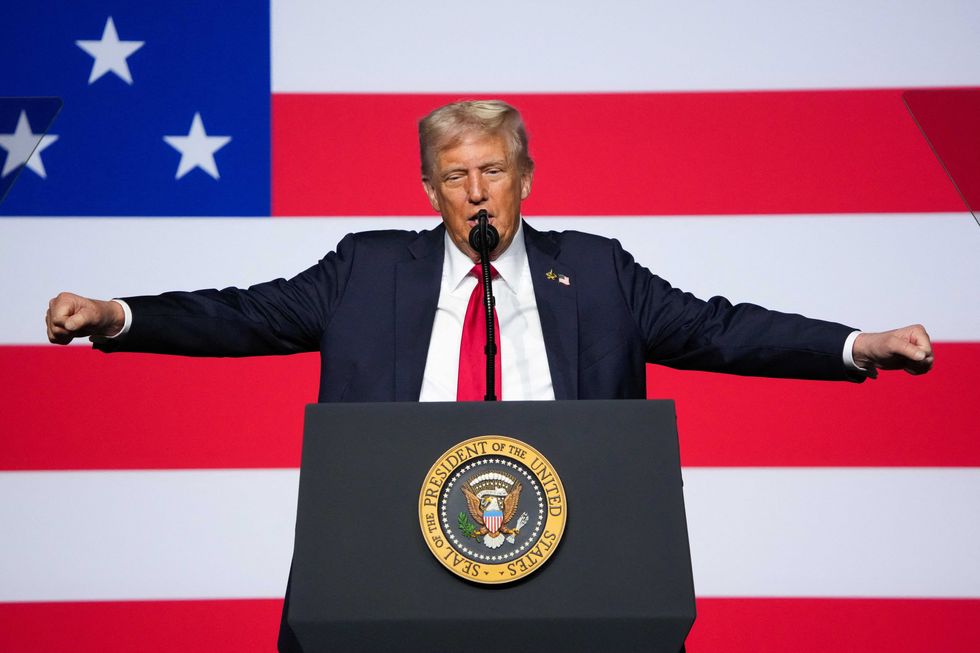
Donald Trump just did the one thing a Commander-in-Chief usually avoids at all costs. He admitted, out loud and on the record, that he hasn't actually thought through what happens if he wins his own war.
While the headlines are screaming about "geopolitical chaos," the real story is much more localized and, frankly, more terrifying. During a recent discussion on Greg Sargent’s "New Republic" podcast, details emerged of a Tuesday briefing where Trump essentially shrugged off the post-war reality of Iran. He wondered aloud if the person who replaces the current regime might be just as bad.
It’s a stunning lack of foresight for someone who already pulled the trigger on major combat operations. This isn't just a "gaffe." It's a window into a strategy that treats global stability like a reality TV plot twist.
The Admission That Rattled the Pentagon
When a president orders strikes, the "Day After" plan is supposed to be the most vetted document in the room. But according to reports from Asawin Suebsaeng at Zeteo, Trump’s interest in those plans was nonexistent. He didn't just ignore the alternative options; he reportedly "tuned out" top generals who tried to explain the risks of a power vacuum in Tehran.
The quote that’s making the rounds is a doozy. Trump asked his audience: "I guess, the worst case would be we do this and then somebody takes over who’s as bad as the previous person, right?"
That’s not a strategic inquiry. That’s a guy realizing halfway through a renovation that he might have knocked down a load-bearing wall.
For decades, the U.S. foreign policy establishment has operated on the "Pottery Barn rule"—you break it, you own it. Trump seems to be operating on a different rule: break it, be a legend, and let the next guy handle the rubble. By admitting he hasn't bothered to imagine what could go wrong, he’s effectively told our allies that there is no safety net.
Pulling the Trigger on Global Friction
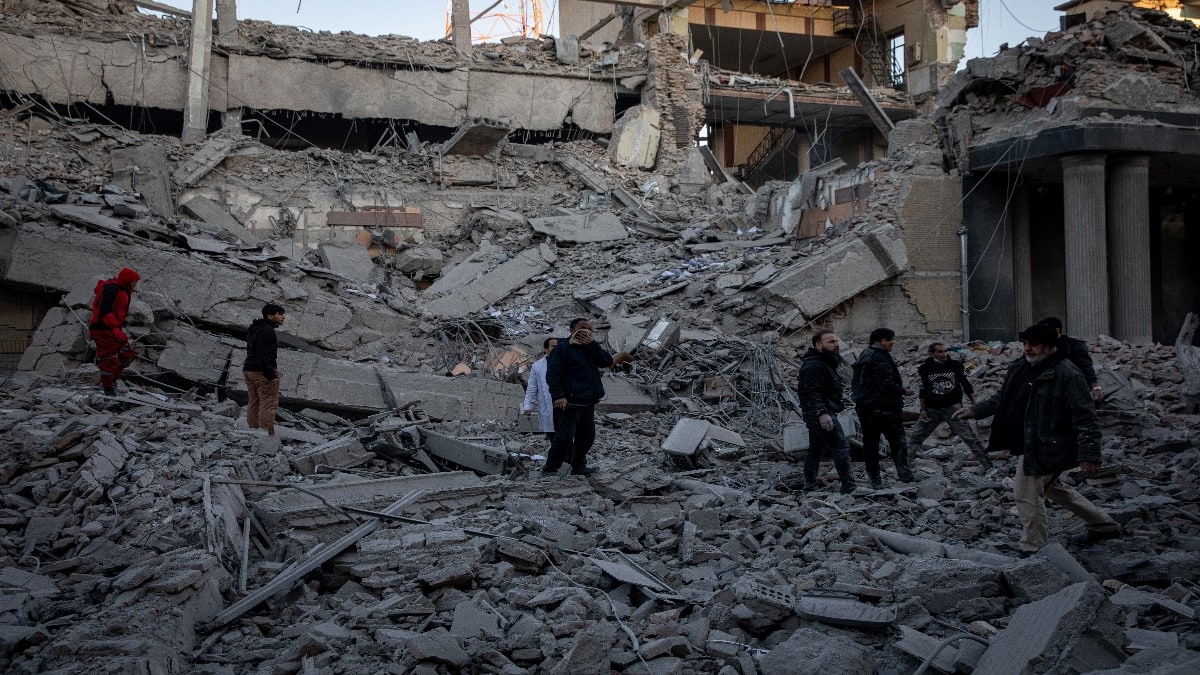
It isn't just Iran. The "geopolitical chaos" being referenced is a multi-front firestorm. While the missiles fly in the Middle East, Trump is simultaneously picking fights with long-standing NATO allies.
Look at the standoff with Spain. Because Madrid refused to let the U.S. use its bases at Rota and Morón for offensive strikes against Iran, Trump didn't just send a diplomatic cable. He threatened to cut off all trade with Spain.
- The Spain Standoff: 15 U.S. refueling aircraft have already been yanked out of Andalusia and moved to Germany.
- The Economic Threat: Threatening a trade embargo on a NATO ally over a localized military disagreement is unheard of.
- The European Rift: German Chancellor Friedrich Merz is now stuck in the middle, trying to play peacemaker while Trump questions the very value of the alliance.
This is the "Shock Doctrine" in action. It’s a deliberate choice to use unpredictability as a weapon. If the people in charge of the nukes and the trade routes don't know what you'll do next, they’re forced to stay on their toes. But there’s a thin line between "keeping them guessing" and "burning the house down."
The Logic of Controlled Chaos
Is there a method to the madness? Some analysts argue this is "controlled chaos." The idea is to keep regional powers like Türkiye and Israel so preoccupied with each other that they have to keep coming back to Washington to mediate.
But "controlled" implies someone is actually holding the reins. The admission that the post-war scenario in Iran is a total mystery suggests the chaos might be anything but controlled.
We've seen this pattern before, but never with stakes this high. In early 2026, we saw the Greenland crisis, where Trump briefly threatened the EU with tariffs unless Denmark handed over the island. He eventually backed down after NATO's Mark Rutte smoothed things over, but the damage to trust was done.
What This Means for You
If you're wondering why your retirement account is swinging like a pendulum or why gas prices are suddenly creeping back up, this is it. Geopolitical instability isn't just a "news" thing. It’s a "your wallet" thing.
- Market Volatility: Markets hate uncertainty. A president who admits he hasn't thought through the consequences of a war is the ultimate uncertainty.
- Supply Chain Snarls: If the trade threats against Spain or the EU escalate, expect delays in everything from car parts to electronics.
- Regional Escalation: With major combat operations active in Iran, the risk of a wider conflict involving proxies in Lebanon or Yemen is at an all-time high.
The reality is that we're in a period where the old rules of diplomacy are dead. The "damning admission" isn't just that Trump didn't have a plan; it's that he doesn't think he needs one.
Stay informed by diversifying your news sources beyond the major networks. If you have business interests in Europe or the Middle East, now is the time to review your contingency plans. Watch the trade negotiations with the EU closely—they'll be the first real indicator of whether this chaos is a temporary tactic or the new permanent state of affairs.