The American Dream was never just about a white picket fence or a climbing 401(k). It was a silent pact. You pay your taxes, you contribute to the machine, and in return, the most powerful government on earth has your back when the world catches fire. But for thousands of Americans currently sitting in darkened apartments in Dubai or sheltering in basements in Amman, that pact looks like a scrap of burnt paper.
As the U.S.-Israel war on Iran enters its most volatile phase, the reality on the ground isn't matching the bravado coming out of Washington. While the administration talks about "Operation Epic Fury" and regime change, the people actually holding blue passports in the region feel like they've been left to figure it out for themselves. It's a wake-up call that’s hitting entrepreneurs and expats right in the gut.
The evacuation that came too late
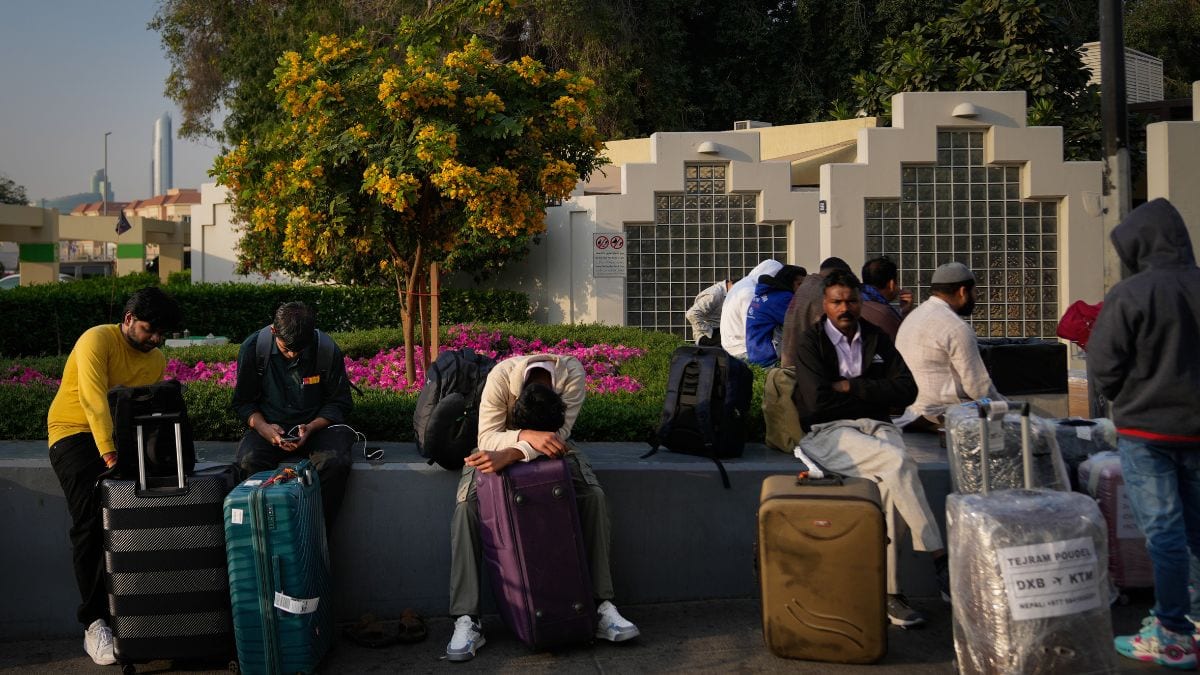
If you're an American living in the Middle East, the message from the State Department this week was clear: "DEPART NOW." There’s just one problem. Most of the exits are bolted shut.
Airspace across the region is a mess of closures and "no-fly" designations. Major hubs like Dubai International, which usually moves thousands of people an hour, have turned into parking lots for grounded planes. When the government tells you to leave using "available commercial transportation" three days after the bombs start falling, they're not giving you a plan. They're giving you a polite way of saying you’re on your own.
I’ve heard from business owners who have spent years building bridges between the West and the Gulf. They aren't just tourists. They’re the people who actually export American influence. Now, they're watching ticket prices for the few remaining flights out of secondary airports soar into the five-figure range. It’s not just a logistical failure; it’s a betrayal of the basic expectation that your citizenship counts for something when the missiles start flying.
Why the entrepreneur class feels abandoned
For an entrepreneur, the American Dream is built on the idea of calculated risk. You take the leap, but you assume the floor beneath you is solid. The current conflict has shown that the floor is actually a trapdoor.
- Financial instability: Business owners are watching their life's work evaporate as regional stock exchanges shut down and supply chains snap.
- Zero guidance: While the State Department suggests the Smart Traveler Enrollment Program (STEP), many find that the updates they receive are vague and hours behind the actual news.
- Lack of infrastructure: Following massive budget cuts to State Department programs over the last year, embassies are operating in what insiders call "survival mode." They don't have the staff to coordinate large-scale civilian extractions.
The frustration isn't just about the danger. It’s about the lack of strategy. When President Trump tells the world that this conflict could last four to five weeks, he’s effectively telling every American business in the region to prepare for bankruptcy. There is no talk of a "marshal plan" for the citizens caught in the crossfire—only talk of "decapitating" the Iranian regime.
The high cost of being a sitting duck
It’s easy to talk about "muscular foreign policy" from a studio in D.C. It’s much harder when you’re an American in a hotel room hearing fighter jets scream overhead at 3:00 AM.
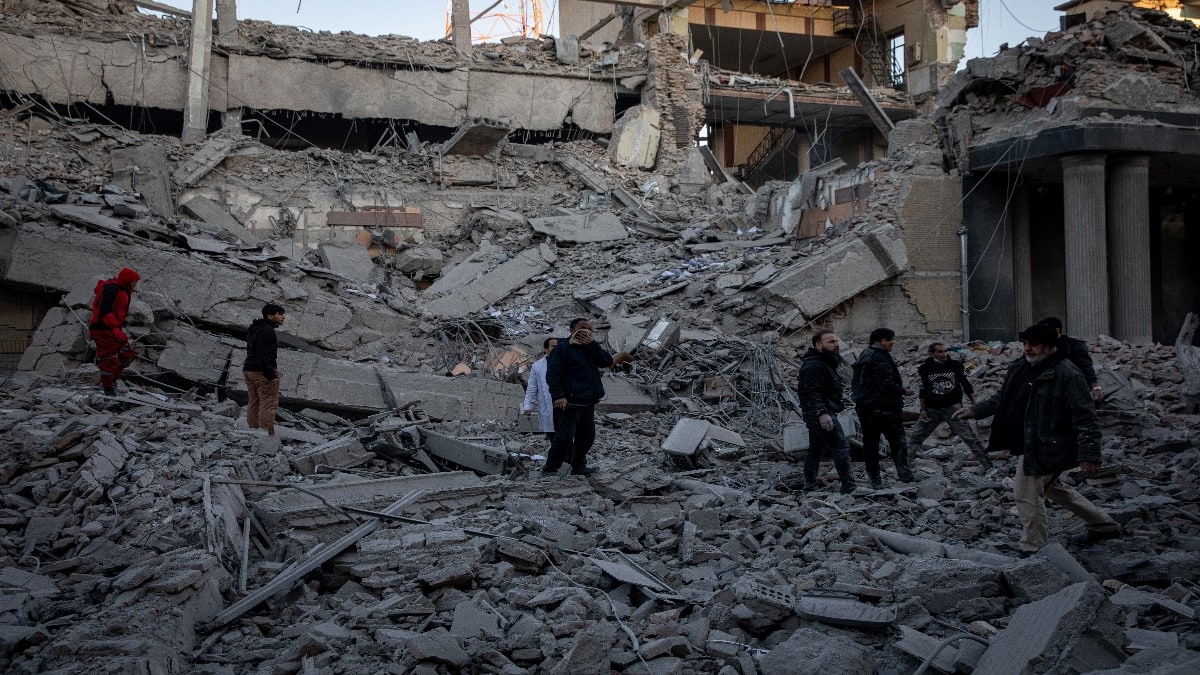
The human cost is mounting. We're seeing reports of citizens trapped in the UAE, Jordan, and even Kuwait, unable to find a way out as Iranian retaliatory strikes hit civilian and economic infrastructure. Sasha Hoffman, an American traveler recently interviewed, summed it up perfectly when she described herself as a "sitting duck." She's not alone. There are roughly 500,000 to 1 million U.S. nationals in the region. The government’s current "contingency plan" appears to be hoping they all found a seat on a flight that was canceled four days ago.
This isn't just about this specific war. It’s about the message it sends to every American working abroad. If the U.S. government won't—or can't—secure the safety of its citizens before initiating a major regional war, then the value of that citizenship has been fundamentally downgraded.
A blueprint for what should happen now
If you’re currently stuck or have family in the region, waiting for a "rescue" that might not come isn't a strategy. You have to be your own advocate.
- Stop waiting for commercial flights: If you are in a country with open land borders to a more stable neighbor (like moving from Jordan toward Saudi Arabia or vice versa, depending on the day's safety map), look into secure private transport. Don't wait for the airport to reopen; it might not happen for weeks.
- Register and escalate: Don't just sign up for STEP. Call the State Department emergency line at (202) 501-4444. Document every canceled flight and every request for help.
- Find the "Little Irans" and "Little Americas": Connect with local expat networks on encrypted apps. These groups often have better real-time info on which roads are open or which charter companies are actually flying than the official embassy websites do.
The "American Dream" was never supposed to end with a citizen hiding in a bathtub while their government’s bombs fell nearby. If the administration wants to claim they’re putting "America First," they need to start with the Americans who are actually in the line of fire.
Don't wait for a press release. If you have any remaining access to funds, prioritize movement to a Level 2 or Level 1 travel zone immediately, even if it’s in the wrong direction from home. Every hour you wait for a government-chartered flight is an hour you’re gambling with a situation that is clearly out of Washington's control.