The Atlantic Ocean does not give up its secrets easily, especially where the Sahara Desert tumbles into the surf at Cap Draa. Here, the world feels unfinished. The air is a thick soup of salt spray and fine, red dust that finds its way into your lungs, your gear, and the very pores of your skin. It is a place of brutal beauty, but for those who wear a uniform, it is a place of relentless testing.
In the early hours of the morning, the coastline of Tan-Tan looks like the edge of the world. It was here that the silence of the Moroccan coast was broken by the frantic machinery of a search and rescue operation. For days, the Moroccan Royal Armed Forces and their American counterparts scanned the churning white foam of the Atlantic. They weren't looking for a vessel or a piece of equipment. They were looking for a brother.
The news broke with the clinical coldness of a military press release: the body of the second missing U.S. soldier had been found.
The Weight of the African Lion
To understand why two American soldiers ended up in the unforgiving currents of the Moroccan coast, one must understand the scale of the African Lion exercise. This is not a mere "training event." It is a massive, multi-national choreography of steel and sweat involving thousands of personnel from nearly twenty nations. It is designed to prove that in a moment of global crisis, the gears of different armies can mesh without grinding.
Imagine the logistical nightmare. Thousands of soldiers, hundreds of vehicles, and millions of gallons of fuel moving across a landscape that wants to overheat engines and swallow tires. It is a high-stakes rehearsal for a play everyone hopes will never open.
But behind the maps and the strategic objectives lie the individuals. The soldiers who participate in these maneuvers are often young, driven, and operating at the absolute limit of human endurance. They jump out of planes into the dark. They navigate rough seas in small craft. They operate in the "invisible stakes"—the risks that are accepted as the cost of readiness.
The incident occurred during a maritime exercise. When the first soldier was lost to the waves, a clock started ticking that no one could stop. The Moroccan authorities, using every asset at their disposal from helicopters to coastal patrols, recovered the first body relatively quickly. But the second remained elusive. The Atlantic at Cap Draa is a labyrinth of currents and rocky outcroppings.
Days passed.
In the military, there is a specific kind of atmospheric pressure that settles over a camp when a comrade is missing. The jokes stop. The food tastes like cardboard. Every time a radio crackles, a dozen heads turn in unison, hoping for a word that isn't the one they eventually received.
The Human Cost of Readiness
We often talk about the military in terms of "assets" and "capabilities." We discuss the "strategic partnership" between the United States and the Kingdom of Morocco, a relationship that stretches back to the very founding of the American republic. We focus on the billions of dollars in hardware and the geopolitical chess matches played out in the North African sands.
But the real story is written in the dirt and the salt.
Consider the family waiting in a quiet suburb or a rural town half a world away. For them, African Lion isn't a geopolitical victory. It is the reason the phone rang at three in the morning. It is the reason there is now an empty chair at a kitchen table.
When the Moroccan Royal Armed Forces finally located the second soldier near the rugged cliffs of the Cap Draa region, it marked the end of the search, but only the beginning of a much longer, quieter journey for those left behind. The recovery was a testament to the coordination between the two nations, but no amount of diplomatic success can dull the edge of that particular grief.
The soldier was more than a rank and a name on a manifest. They were someone who had survived basic training, someone who had likely laughed over MREs in the back of a Humvee, someone who had a life waiting for them beyond the uniform.
The Desert and the Deep
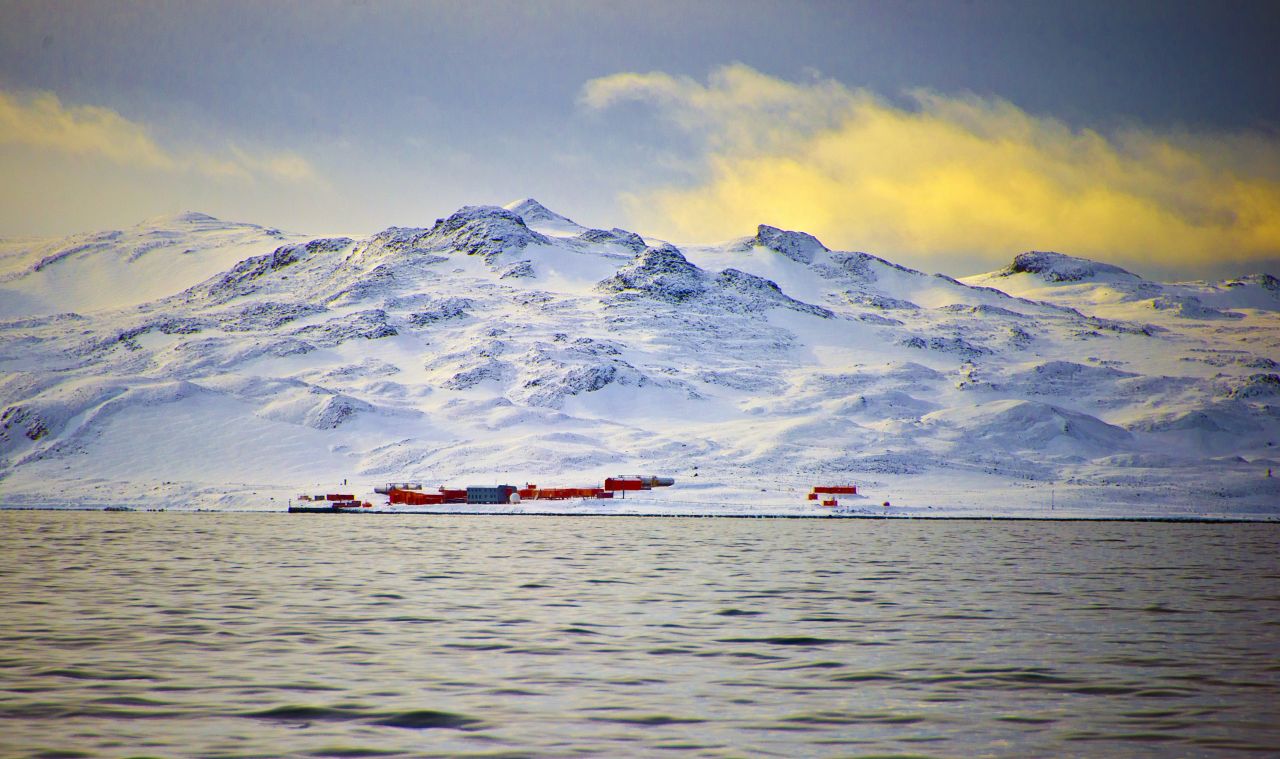
The geography of the Tan-Tan region is a character in this tragedy. It is a landscape defined by extremes. To the east, the Sahara stretches out in an endless, undulating sea of sand. To the west, the Atlantic crashes against the continent with a violence that has claimed sailors for centuries.
Soldiers training here are forced to respect the terrain. You cannot "leverage" the desert; you can only survive it. You cannot "synergize" with a riptide. You either understand its power, or you are consumed by it.
During the search, the Moroccan forces utilized specialized divers and coastal surveillance units. The collaboration was "seamless" in the way that only two professional organizations can be when the stakes are life and death, but the ocean doesn't care about professional standards. It moves according to its own ancient physics.
The fact that it took days to find the second soldier speaks to the complexity of the coastal shelf at Cap Draa. It is a place where the tide can shift a heavy object miles in a matter of hours, hiding it in the shadows of underwater caves or burying it beneath the shifting silt.
Why We Look
There is an old, unwritten rule in the military: you don't leave anyone behind. It sounds like a cliché from a movie, but in the heat of the Moroccan sun, it is the only thing that matters.
The search continued long after the "window of survival" had likely closed because the act of searching is a promise. It is a promise to every other soldier on that field that if the worst happens to them, the world will stop until they are found. It is the glue that holds an army together.
The Moroccan Royal Armed Forces didn't just find a body; they fulfilled a debt of honor to a guest in their country. They worked through the night, battling the wind and the spray, because that is what partners do.
The discovery brings a grim kind of "closure," a word we use when we don't have a better one for the end of a nightmare. It allows for the ritual of the return. The ramp of a transport plane lowering. The flag-draped casket. The slow, rhythmic salute of the honor guard.
The Lingering Echoes
As the African Lion exercise concludes and the dust settles back onto the Saharan dunes, the tankers will be loaded back onto ships. The fighter jets will scream back to their bases. The politicians will issue statements about the "strength of our enduring bond."
But the silence at Cap Draa will remain.
The ocean there will continue to roar against the cliffs, indifferent to the maneuvers of men. The tragedy serves as a stark, cold reminder that even in the pursuit of peace and security, there is a blood price. We tend to view military exercises as sterile simulations, but there is no such thing as a simulation when the Atlantic is involved.
The maps will show a successful mission. The after-action reports will detail the lessons learned in logistics and communication. But for two families, the map of their world has been permanently altered.
The salt stays on the skin long after you leave the coast of Tan-Tan. It stings the eyes and dries the throat. It is a physical reminder of the sea, and of the two men who went into it and didn't come back on their own power.
The sun sets over the Atlantic, casting long, bruised shadows across the Moroccan sand, where the desert meets the water and the wind carries nothing but the sound of the tide.