China and Pakistan just sent a clear message to the West. By proposing a joint peace plan for West Asia, these two nations aren't just calling for an end to the bloodshed in Gaza and Lebanon. They're positioning themselves as the new adults in the room. This isn't just about diplomacy. It's about a fundamental change in who gets to decide the fate of the Middle East.
The proposal comes at a moment when the United States seems stuck. While Washington struggles to balance its support for Israel with the mounting civilian death toll, Beijing and Islamabad are offering a different path. Their joint statement calls for an "immediate, unconditional, and permanent ceasefire." It's direct. It's blunt. And it carries the weight of two nuclear-armed nations with massive economic stakes in the region.
The mechanics of the Beijing Islamabad proposal
This isn't a vague suggestion. The plan centers on the implementation of a two-state solution based on pre-1967 borders. China and Pakistan are pushing for full United Nations membership for Palestine. They want a peace conference that actually has teeth, not just another photo op in a European capital.
What makes this different? The timing.
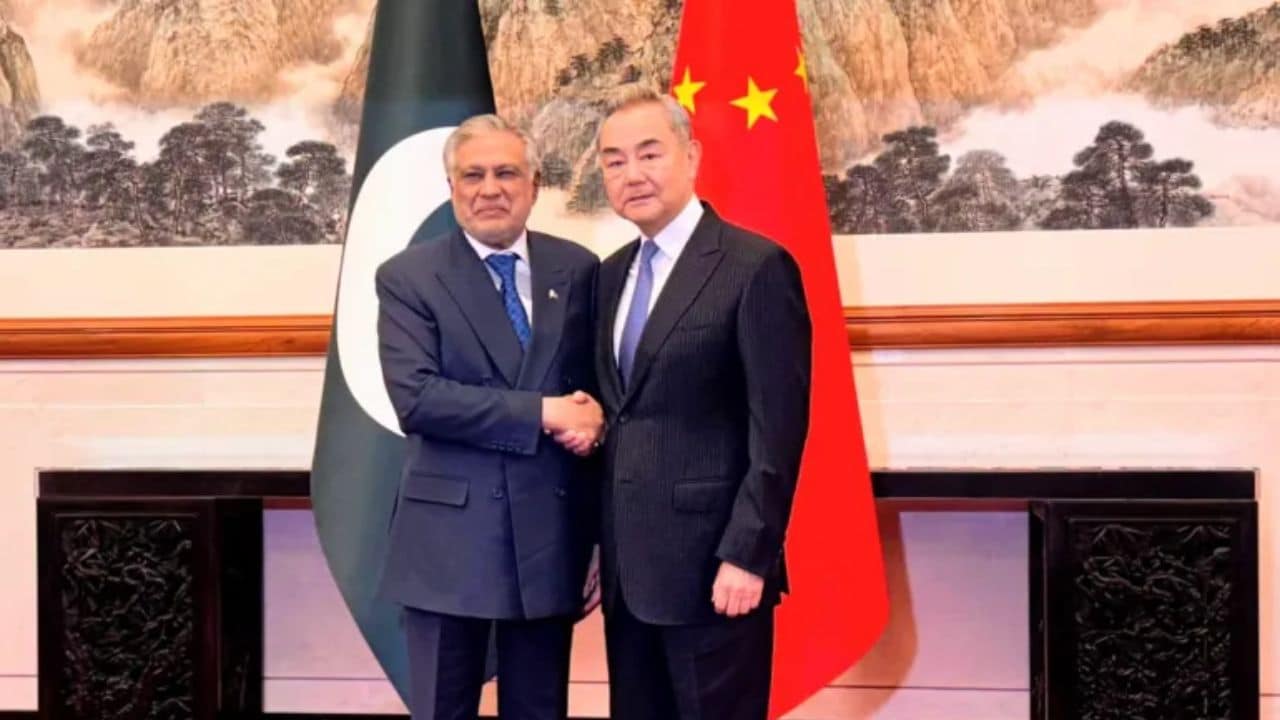
Pakistan’s Deputy Prime Minister Ishaq Dar and China’s Foreign Minister Wang Yi didn't just stumble into this. They coordinated this during high-level meetings in Beijing. They’re tapping into a global sentiment that’s increasingly tired of the "business as usual" approach to West Asian conflict. They know that much of the Global South feels ignored by the current international order. By stepping up, they’re filling a vacuum.
Why the old guard is nervous
For decades, the Middle East was the playground of Western diplomacy. That's over. China's successful mediation between Iran and Saudi Arabia last year proved they can handle the heavy lifting. This new proposal for Gaza and Lebanon is the next logical step.
Pakistan brings a different kind of value to the table. As a major Muslim-majority nation with deep ties to the Arab world, Islamabad provides the cultural and religious legitimacy that Beijing lacks on its own. Together, they represent a bloc that the West can’t easily dismiss as "outsiders."
The rhetoric coming out of these meetings is intentionally sharp. They aren't using the soft language of "de-escalation" that we hear from the State Department. They’re calling out what they describe as "double standards" in international law. You don't have to agree with them to see why that message resonates in Cairo, Amman, and Riyadh.
The economic reality behind the diplomacy
Money talks. Peace isn't just a moral goal for China; it’s a requirement for their bottom line. The Belt and Road Initiative (BRI) depends on stable trade routes. When missiles fly in the Red Sea, Chinese shipping costs skyrocket. When regional wars break out, energy markets turn volatile.
China is the largest trading partner for most countries in West Asia. They buy the oil. They build the ports. They lay the 5G cables. Pakistan, meanwhile, sits at the crossroads of the China-Pakistan Economic Corridor (CPEC). Any instability in the Middle East bleeds into South Asia. They have skin in the game.
Breaking down the core demands
- Immediate Ceasefire: No more "negotiating while fighting." They want the guns silent now.
- Humanitarian Access: Unfettered entry for aid into Gaza. They’re pointing at the looming famine as a failure of the current global leadership.
- Two State Solution: Not as a distant dream, but as a concrete legal requirement based on UN resolutions.
- Sovereignty: An end to what they call "foreign interference" in the internal affairs of West Asian states.
Pakistan’s role as the bridge builder
Don't underestimate Islamabad here. Pakistan has managed to keep a foot in both camps for a long time. They have a history of military cooperation with Gulf monarchies and a strategic "all-weather" friendship with China. This puts them in a unique spot. They can say things to leadership in the Muslim world that China can’t.
When Ishaq Dar speaks about the "suffering of the Palestinian people," it's not just politics. It's a core part of Pakistan’s identity on the world stage. By hitching that sentiment to China’s economic and diplomatic muscle, they’ve created a formidable tag team.
Challenges to the plan
Let's be real. This isn't a slam dunk. Israel hasn't shown much interest in Chinese-led peace initiatives. The U.S. still holds the most significant military influence in the region. A peace plan is only as good as the parties willing to sign it.
However, the goal might not be to get an immediate signature from Jerusalem. The goal is to build a consensus among everyone else. If China and Pakistan can get the Arab League, the African Union, and parts of ASEAN on board with this specific framework, the U.S. and Israel find themselves increasingly isolated. It’s a long game of diplomatic attrition.
What this means for the future of West Asia
We’re seeing the birth of a multipolar Middle East. The days of a single superpower calling the shots are gone. Whether you like the China-Pakistan axis or not, they’re now permanent fixtures in the regional security conversation.
The Western response has been predictable. Some call it "posturing." Others call it "distraction." But if you’re living in a conflict zone, a plan that demands an immediate stop to the bombing sounds pretty good, regardless of who wrote it.
Moving forward with regional diplomacy
If you're following this, watch the UN voting patterns over the next few months. Look for whether Middle Eastern nations start leaning more on Beijing for security guarantees. The shift won't happen overnight. It'll happen in small increments—a trade deal here, a joint military exercise there.
Keep an eye on the upcoming BRICS summits. That’s where the real groundwork for this "new order" is being laid. The West Asia peace plan is just the opening salvo.
Start paying attention to the specific language used by regional leaders. If they start echoing the China-Pakistan "unconditional ceasefire" phrasing, you’ll know the plan is gaining traction. The power dynamic is shifting. It’s time to stop looking at West Asia through a purely Western lens.