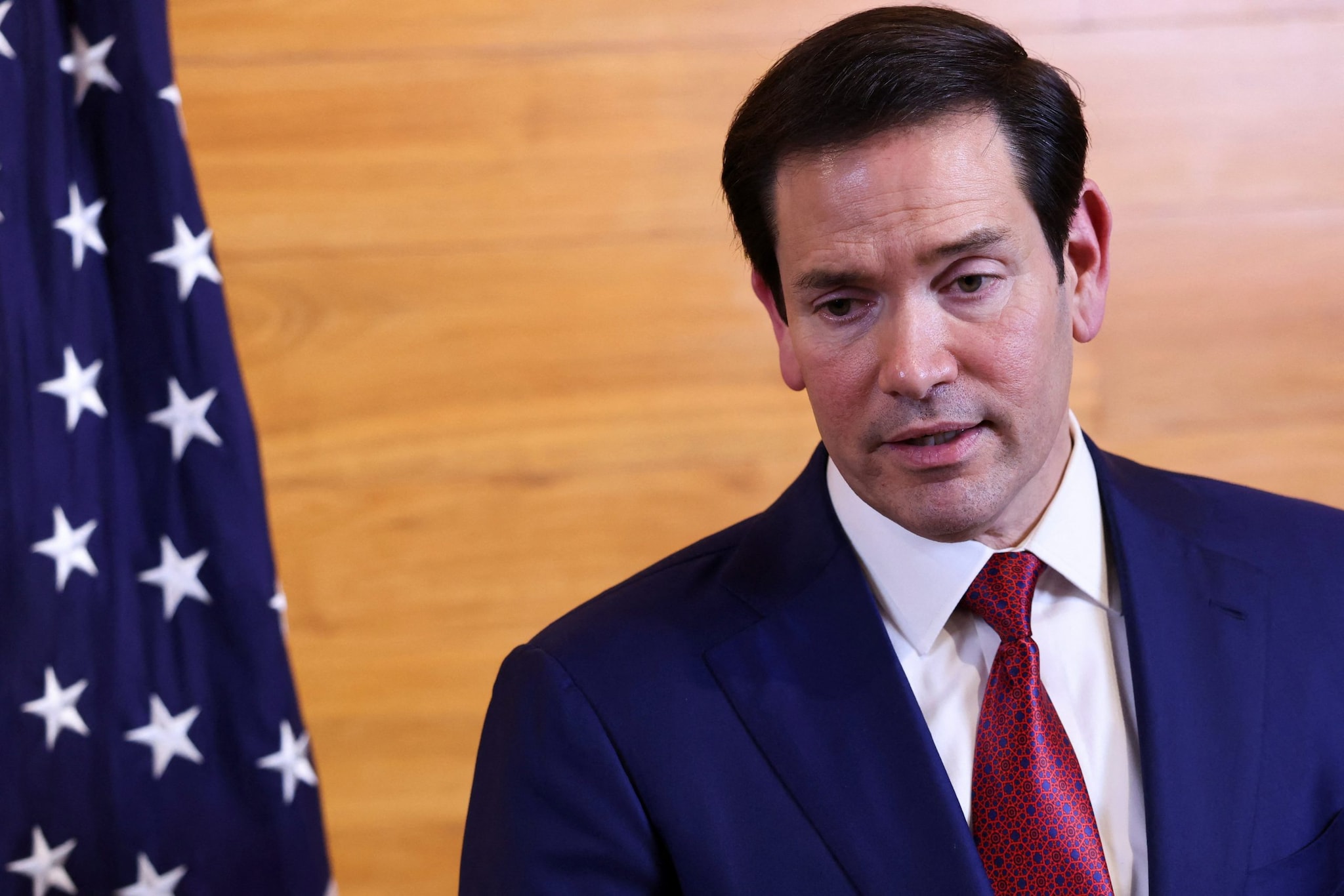
We’re five weeks into a conflict that's already reshaped the Middle East, and Secretary of State Marco Rubio is telling us the end is in sight. Speaking to G7 leaders and later on Fox News, Rubio has been beating the same drum: the U.S. is "on or ahead of schedule." He's pitching a "weeks, not months" timeline that sounds great in a soundbite, but it's worth looking at what "on schedule" actually means when you're talking about a country the size of Iran.
The official line is that the U.S. doesn't need ground troops to "win." Rubio’s confidence stems from a campaign that's focused almost entirely on surgical strikes. If you're wondering why there aren't thousands of boots on the Iranian plateau, it's because the administration believes they can dismantle the regime's "shield" from thirty thousand feet.
The Strategy Behind the Schedule
Rubio’s definition of success isn't a flag-raising ceremony in Tehran. He’s been very specific. The goal is the systematic destruction of Iran’s ballistic missile belt and its drone production. The logic is simple: take away the conventional weapons they hide behind, and they can no longer hold the region hostage or protect their nuclear ambitions.
According to intelligence reports, about a third of Iran’s missile arsenal is already dust. To Rubio, that’s progress. To others, it means two-thirds of those missiles are still tucked away in "missile cities" deep underground. Despite that, the Secretary insists the operation will wrap up in the next two to four weeks.
Why No Ground Troops
You've likely heard rumors of Marines and airborne units moving into the region. Rubio isn't denying the deployments, but he’s framing them as "contingency" moves. He wants President Trump to have options if things go sideways, but he’s adamant that the current bombing campaign is doing the heavy lifting.
- Pre-emptive Strikes: The war started on February 28 as a "defensive" move to prevent an imminent threat.
- Targeting Leadership: The first wave took out Ali Khamenei and dozens of top officials.
- The Nuclear Question: Strikes have moved from military bases to industrial and nuclear infrastructure.
The NATO Souring
One thing the competitor articles aren't digging into enough is the growing rift between Washington and its European allies. Rubio didn't just talk about Iran this week; he took a massive swing at NATO. He’s frustrated that some allies denied the U.S. basing and overflight rights during the initial strikes.
"We are going to have to re-examine whether or not this alliance... is still serving that purpose," Rubio told Hannity. This is a huge shift. He’s basically saying that if Europe won’t help the U.S. handle Iran, the U.S. might not feel like defending Europe. It’s a "one-way street" argument that could outlast the war itself.
Reality Check on the "Finish Line"
Is the war really going to end in twenty days? Rubio says we can see the finish line, but the track is still muddy. There are messages being exchanged through mediators like Oman, but the Iranian leadership—or what's left of it—is avoiding phones for fear of being targeted. It’s hard to sign a peace deal when the person on the other end is literally hiding in a bunker to stay alive.
While the U.S. is "ahead of schedule" on destroying hardware, they’re still facing a messy political vacuum. They've killed the old guard, but the new Supreme Leader, Mojtaba Khamenei, and the IRGC hardliners are doubling down.
What You Should Do Now
Don't just take the "weeks, not months" quote at face value. The "end" of the war likely means the end of major bombing runs, but the diplomatic and economic fallout will last for years.
- Watch the Strait of Hormuz: Rubio warned that Iran might try to impose "tolls" on shipping even after the shooting stops. This will keep oil prices volatile.
- Monitor the NATO Rhetoric: If the U.S. starts pulling back from European bases after this, the global security landscape changes forever.
- Check the "15-Point Proposal": This is the U.S. demand list currently sitting in Tehran. If Iran doesn't respond by the end of the week, expect the "schedule" to involve a lot more fire.
The mission is to deny Iran the ability to threaten its neighbors with missiles. Whether that actually brings peace—or just a pause before the next round—remains to be seen. Honestly, calling it "ahead of schedule" feels like a way to manage expectations at home while the real work of figuring out who actually runs Iran begins.