The war in Ukraine isn't just a series of map updates or distant shellings. It’s a grinding, technological evolution that changes every single hour. If you're looking for the typical "live feed" that just lists timestamps without context, you’re missing the point. The real story isn't just that a missile hit a warehouse in Odesa or that a drone swarm was intercepted over Kyiv. It’s about how the nature of the frontline is shifting under the weight of new Western tech and desperate Russian maneuvers.
I’ve been tracking these developments since the first tanks crossed the border. The truth is messy. It’s loud. It doesn't fit into a neat narrative of "who’s winning" today. Right now, the battlefield is a laboratory for 21st-century warfare, and the stakes for global security have never been higher.
Why the Frontline Looks Different Today
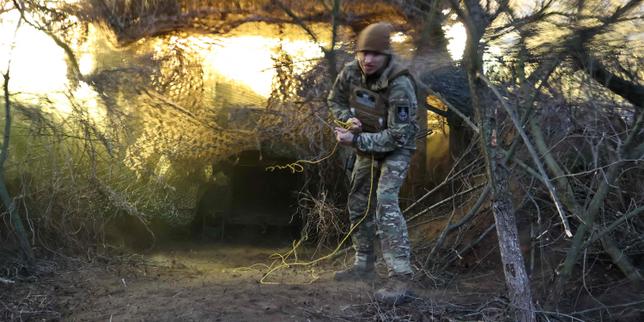
Forget what you know about traditional trench warfare from history books. We’re seeing a fusion of Soviet-era grit and Silicon Valley innovation. The current state of the Ukraine conflict is defined by "transparent" battlefields. Neither side can move a squad of soldiers without a $500 drone spotting them from two miles up.
Electronic warfare (EW) has become the silent killer. It's not just about blowing things up anymore. It’s about jamming signals so that "smart" bombs become dumb bricks. Russia has significantly scaled its EW capabilities, creating bubbles where GPS-guided munitions simply lose their way. On the flip side, Ukrainian engineers are recoding drone software on the fly to bypass these jams. It’s a cat-and-mouse game played with soldering irons and laptops as much as rifles.
The logistics are also changing. We’re seeing a shift from massive, centralized ammo dumps to hyper-dispersed supply chains. If you bunch up, you die. That’s the new rule. This makes offensive operations incredibly difficult. To take ground, you need to mass troops. But if you mass troops, you’re a target for HIMARS or Iskander missiles within minutes.
The Logistics of a Long War
Everyone keeps asking when the "big breakthrough" will happen. Honestly, they’re asking the wrong question. This isn't a war of blitzkriegs; it’s a war of industrial capacity. It’s about who can manufacture 155mm shells faster and who can find enough people to sit in the mud.
- Ammunition Hunger: Europe is finally waking up to the fact that its "peace dividend" left its warehouses empty. The Czech-led initiative to source shells from outside the EU is a band-aid, albeit a necessary one.
- Personnel Fatigue: Ukraine is grappling with a difficult mobilization law. You can't fight a war with just volunteers forever. Russia faces its own issues, relying on high-pay contracts to avoid a politically risky general mobilization.
- Infrastructure Targets: The air war has shifted. It’s no longer just about the front. It’s about the power grid. By hitting energy hubs, Russia hopes to freeze the Ukrainian economy and break the will of the civilian population.
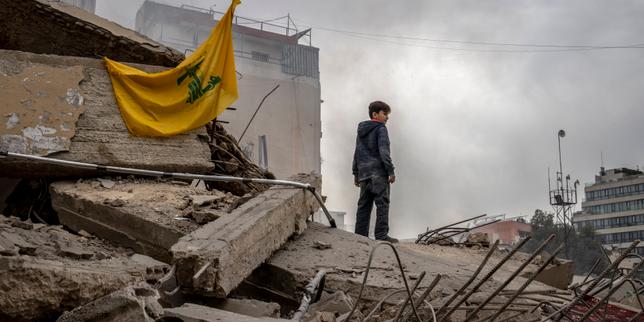
The sheer scale of the destruction is hard to wrap your head around. We're talking about cities like Marinka or Avdiivka that don't just have damaged buildings—they literally do not exist anymore. They are piles of brick and dust.
Weapons Systems That Actually Matter
Social media loves to hype up the "wonder weapon" of the week. First, it was the Javelin. Then the Leopard tanks. Then the F-16s. Let’s be real. No single platform wins this. It’s the integration that counts.
The F-16s aren't a silver bullet. They're a necessary upgrade to keep the Ukrainian Air Force alive. Their real value lies in their ability to carry modern Western missiles that the old MiGs couldn't use properly. They push Russian bombers further back, giving Ukrainian cities a few more seconds of warning.
Artillery remains the king of battle. Roughly 80% of casualties on both sides are caused by shrapnel. The side that wins the counter-battery duel—the ability to hit the enemy's guns before they can move—wins the day. This is where Western radar systems like the AN/TPQ-36 have been game-changers. They can track an incoming shell's trajectory and pinpoint exactly where it was fired from in seconds.
The Economic Shadow War
Sanctions haven't toppled the Kremlin. That's a hard pill to swallow for some, but it’s the reality. Russia has successfully pivoted its economy to a war footing. They’re trading oil for tech through third parties, and their "shadow fleet" of tankers keeps the cash flowing.
However, this isn't sustainable long-term. Russia is cannibalizing its future to pay for its present. High interest rates and labor shortages are beginning to bite. They're spending a massive chunk of their GDP on the military, which means schools, hospitals, and infrastructure at home are rotting.
Ukraine, meanwhile, is entirely dependent on Western financial lifelines. If that money stops, the front doesn't just stall—the state collapses. This makes every election in Washington or Brussels a tactical event for the soldiers in the Donbas.
Practical Realities for Global Stability
If you think this conflict is "over there," you're kidding yourself. The grain deals, the energy prices, and the precedent of borders being redrawn by force affect everyone.
The most immediate thing you should be watching isn't the daily gain of 100 meters in a forest. Watch the production numbers. Watch the delivery of air defense interceptors. If Ukraine runs out of Patriot missiles, the sky opens up, and that’s when the war truly changes for the worse.
We’re in a period of high-intensity attrition. It’s ugly. It’s expensive. It’s heartbreaking. But understanding the mechanics of how this war is actually being fought is the only way to see through the fog of propaganda coming from both sides.
Check the latest reports from the Institute for the Study of War (ISW) for tactical maps that actually provide context. Monitor the official defense ministry briefings, but always cross-reference them with independent geolocated footage. Don’t just read the headlines about "last-minute updates"—look at the trends in troop movements and long-range strikes. That’s where the real story lives. Move past the surface-level news and start looking at the logistics and the tech. That's how you actually stay informed.