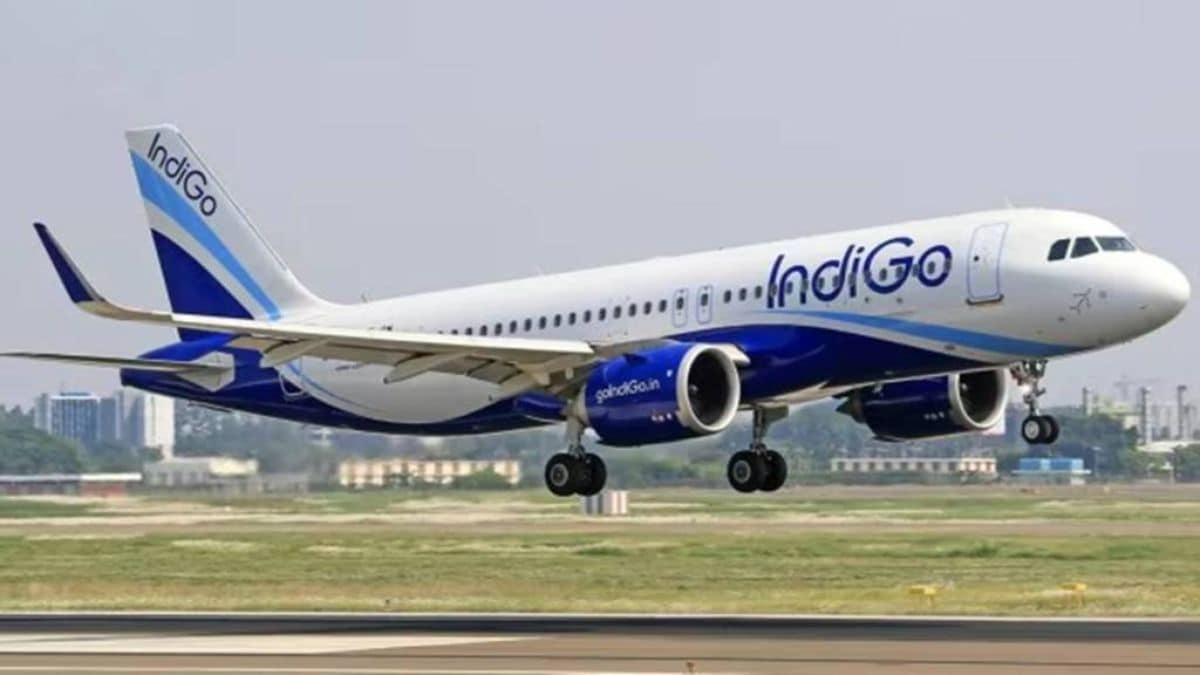
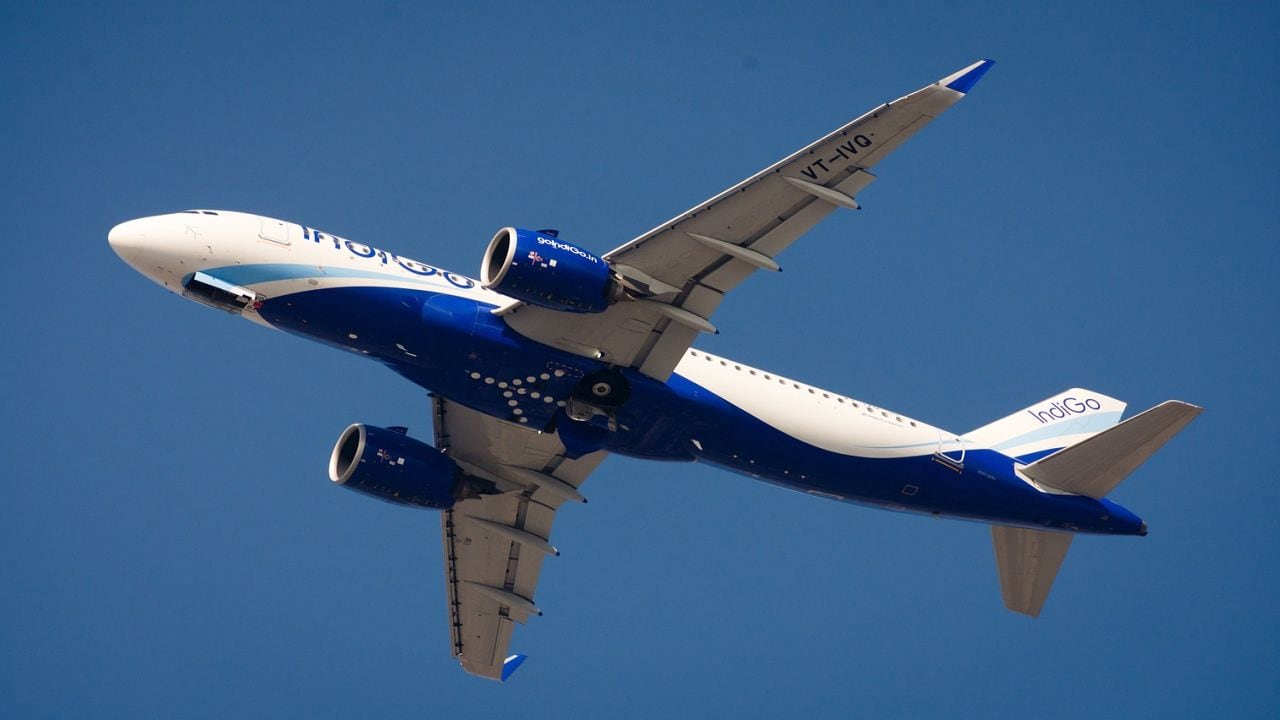
Imagine sitting on a plane for 14 hours only to end up exactly where you started. That isn’t a hypothetical nightmare or a scene from a lost episode of The Twilight Zone. It actually happened to hundreds of passengers on an IndiGo flight meant to connect Delhi to Manchester. On the surface, it looks like a simple case of bad luck with the weather. Dig deeper, and you see a systemic collapse of scheduling, crew limits, and the brutal reality of low-cost long-haul travel.
Most people think of flight delays in terms of an hour or two at the gate. This was different. This was a marathon of frustration that highlights why the "cheap at all costs" model of aviation hits a breaking point when things go wrong. If you’ve ever wondered how a modern airline manages to turn a 9-hour flight into a 14-hour round trip to the same runway, the details of this Delhi-Manchester debacle offer a sobering lesson.
Why the Manchester Flight Never Left the Ground
The flight was part of a special charter or wet-lease arrangement, a common practice when airlines want to test new international waters without committing their entire fleet. Passengers boarded in Delhi expecting a straightforward journey to the UK. Instead, they spent over half a day trapped in a metal tube.
Fog was the initial culprit. Delhi’s winters are notorious for "CAT III" conditions where visibility drops to near zero. While the tech exists to land and take off in these conditions, it requires both the aircraft and the pilots to be certified for it. On this specific day, the weather didn't play ball. The plane sat on the tarmac, engines idling, while the clock ticked.
Here’s where it gets messy. Every hour spent waiting on the ground counts toward the crew’s "Flight Duty Period" (FDP). These are strict legal limits set by the Directorate General of Civil Aviation (DGCA) to ensure pilots aren't flying while exhausted. By the time the fog lifted enough to potentially take off, the crew was "timed out." They couldn't legally fly the plane to Europe anymore.
The Logistics of a Tarmac Nightmare
You might ask why they didn't just swap the crew. It’s not that simple. At a hub like Delhi, you’d think IndiGo has thousands of pilots ready to go. But for a specific long-haul route to Manchester, you need a crew certified for that specific aircraft type and international route. You can’t just pull a pilot off a short domestic hop to Jaipur and tell them to fly to England.
The passengers weren't just waiting; they were effectively hostages to bureaucracy. Because the flight was international, "deplaning" isn't as easy as opening the door and letting everyone walk back to the food court. Once you've cleared immigration and the plane has "departed" on paper, bringing people back into the terminal involves a massive coordination with security and customs.
Most airlines hesitate to do this because it's a logistical suicide mission. They keep hoping for a "window" to fly. So, the passengers sat. They ate tray meals. They watched the same movies. They looked out at the same grey Delhi mist for 14 hours.
What This Says About Low Cost Carriers and Long Haul
The IndiGo incident isn't just about one bad day. It’s about the inherent risks of the budget long-haul model. Traditional "legacy" carriers like British Airways or Virgin Atlantic usually have more "fat" in their system—extra crews on standby, agreements with local hotels, or the ability to rebook you on a partner airline.
IndiGo operates on razor-thin margins. Their success comes from keeping planes in the air as much as possible. When a plane sits idle, it loses money. When a plane sits idle for 14 hours with a full load of passengers and then cancels, it’s a financial and PR disaster.
- Crew Fatigue is Non-Negotiable: No matter how angry the passengers are, a captain cannot break FDP rules. Doing so risks their license and the lives of everyone on board.
- Communication Gaps: The biggest complaint during these 14 hours wasn't the delay itself. It was the lack of info. Passengers reported being kept in the dark, which is a classic failure in airline crisis management.
- The "Point of No Return": Once an international flight is pushed back, the airline is desperate to get it in the air to avoid the nightmare of "re-importing" 200+ people back through customs.
Lessons for the Frequent Traveler
If you’re booking a long-distance flight on a budget carrier, you have to realize you’re trading a safety net for a lower fare. Usually, it works fine. When the weather stays clear and the planes stay on time, you win. But when a "black swan" event like a 14-hour fog delay hits, the budget model lacks the infrastructure to take care of you.
You need to check the weather. If you’re flying out of Delhi in December or January, the "Great Smog" and fog are almost guaranteed. Look for flights that depart in the afternoon when the sun has burnt off the worst of it. Early morning departures are a gamble.
Also, look at the "interlining" agreements. Does the airline you're booking have partners? If IndiGo can't fly you, can they put you on an Air India or Qatar Airways flight? For many low-cost carriers, the answer is a flat no. You're stuck with them or nobody.
Handling a Long Delay Without Losing Your Mind
If you find yourself stuck on the tarmac, you have rights, though they vary by country. In India, the DGCA has "Civil Aviation Requirements" (CAR) that mandate airlines to provide snacks and water for delays over a certain threshold. However, these rules are often ignored in the heat of a crisis.
Don't just sit there. If the delay passes the 4-hour mark and there's no sign of movement, start documenting everything. Take photos of the cabin, note the times of announcements, and keep your boarding pass. You'll need this for insurance claims later.
Most travel insurance policies kick in after 6 or 12 hours of delay. The passengers on the Manchester flight reached that milestone twice over. If they had decent travel insurance, they could at least claim back a portion of their "lost" time, though nothing compensates for 14 hours of cramped seating.
The Aftermath of the 14 Hour Circle
IndiGo eventually had to cancel the flight. The passengers were moved back to the terminal, a process that reportedly took hours. Some were rebooked, others given refunds. But the damage to the brand was done.
The aviation industry is watching this closely. As Indian carriers like IndiGo and Air India Express try to dominate the medium-to-long-haul market, they have to prove they can handle the complexity of international operations. It's not just about having the planes. It's about having the "recovery" plan when things go sideways.
Next time you see a shockingly cheap fare for a 9-hour flight, look at the departure time and the airline’s track record for delays in that specific season. Sometimes, the extra $200 for a legacy carrier isn't just for a better meal; it's for the assurance that if you spend 14 hours on a plane, you'll actually be in a different country when the doors open.
Before you book your next long-haul trip, check the "on-time performance" (OTP) of the specific flight number on sites like FlightRadar24. If that 6 AM flight has a history of being "diverted" or "delayed" by 5 hours every morning, pick the 2 PM instead. It’s a simple move that saves you from becoming a headline in the next travel horror story.