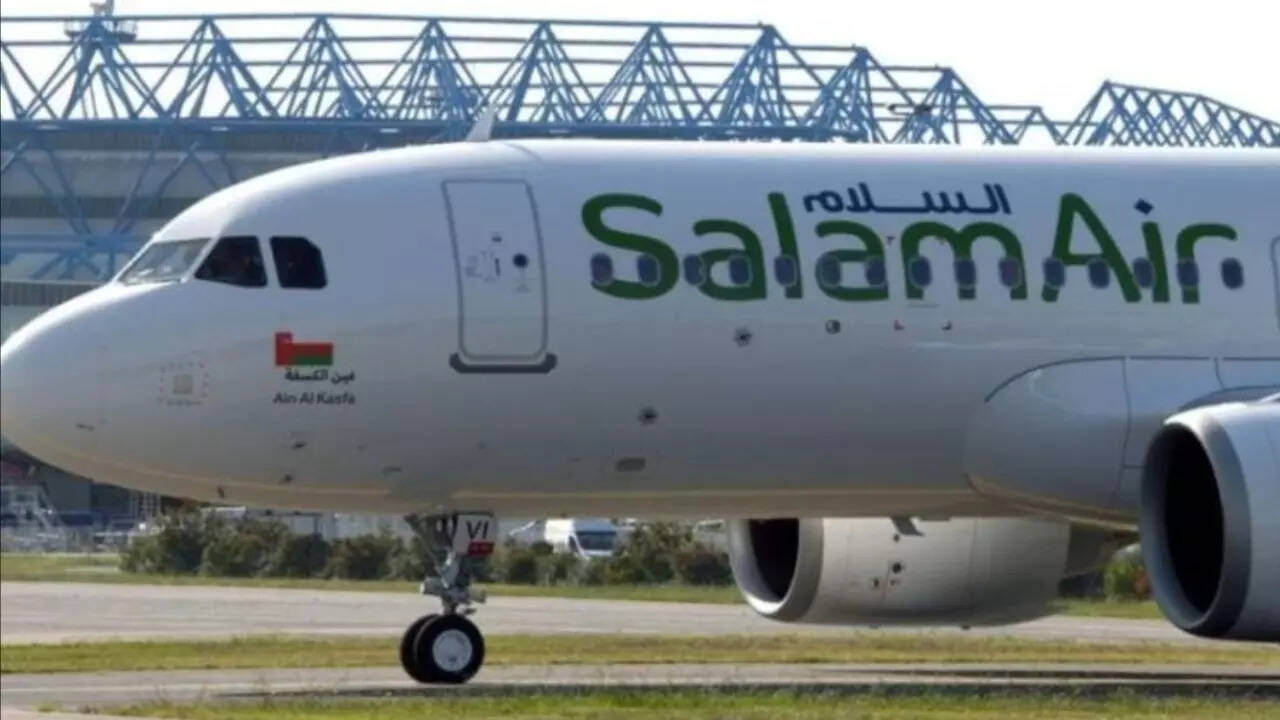
Your travel plans just hit a massive geopolitical wall. If you've been checking your phone every five minutes for a flight update in the Middle East, you're not alone. Oman’s low-cost carrier, SalamAir, just pulled the plug on a significant chunk of its network. This isn't just a minor delay or a technical glitch. It’s a direct response to the escalating conflict involving Iran, the United States, and Israel that has turned regional airspace into a no-go zone.
Honestly, the situation is messy. One day you’re planning a quick hop to Doha, and the next, you’re staring at a "Suspended" status on your screen. Airspace closures aren't suggestions; they’re hard stops for safety. Here is exactly what is happening with SalamAir right now and what you need to do if you're holding a ticket. For another view, see: this related article.
The specific routes SalamAir has cut
SalamAir hasn't just paused one or two flights. They’ve divided their suspensions into two distinct groups based on the level of risk and current airspace restrictions. You need to know which bucket your destination falls into because the timelines are very different.
- Long-term suspensions (Until at least March 28, 2026): Flights to and from Iraq, Lebanon, and Iran are completely halted. Given the direct military activity in these areas, don't expect these to resume early.
- Short-term pauses (Until at least March 20, 2026): Services to Kuwait City, Sharjah, Doha, and Dammam are on hold for now. These are primarily affected by the ripple effect of nearby airspace closures and the need for airlines to reroute or wait for clearer skies.
If you’re flying to Muscat or Salalah, things are slightly more stable, but "stable" is a relative term in March 2026. Oman reopened its airspace fairly quickly after the initial strikes in February, but the surrounding chaos makes every takeoff a calculated risk. Similar insight regarding this has been provided by Travel + Leisure.
Why the Middle East airspace is a ghost town
You might wonder why a flight to Doha is canceled when the fighting is concentrated elsewhere. It comes down to the "corridor" problem. When Iran, Iraq, and Israel close their skies, every other airline has to squeeze into the remaining narrow paths over Saudi Arabia or Oman.
The sky gets crowded. Fast.
When the US and Israeli forces hit targets in Iran in late February, it triggered a massive defensive response. We aren't just talking about fighter jets. We’re talking about missile exchanges and drone swarms. For a budget carrier like SalamAir, the insurance risks alone are enough to ground a fleet. They can't afford to have a plane caught in the crossfire, and quite frankly, you don't want to be on it if they did.
What you should do if you are stranded
Stop going to the airport. I can’t stress this enough. If your flight is on the list above, showing up at the terminal won't get you on a plane faster; it will just leave you sitting on a suitcase in a crowded hall. SalamAir has been very clear: they will contact you.
If you haven't heard from them yet, here is your checklist:
- Verify your contact info: Check the SalamAir app or website to ensure your phone number and email are current. That’s how the automated rebooking system finds you.
- Contact the 24/7 support team: If you're in a pinch, call +968 2427 2222 or email customercare@salamair.com. Just be prepared for long wait times. Everyone else is calling too.
- Third-party bookings: If you booked through Expedia, Skyscanner, or a local travel agent, SalamAir might not be able to help you directly. You have to go through the agency. This is the "hidden cost" of budget booking that people rarely talk about until a crisis hits.
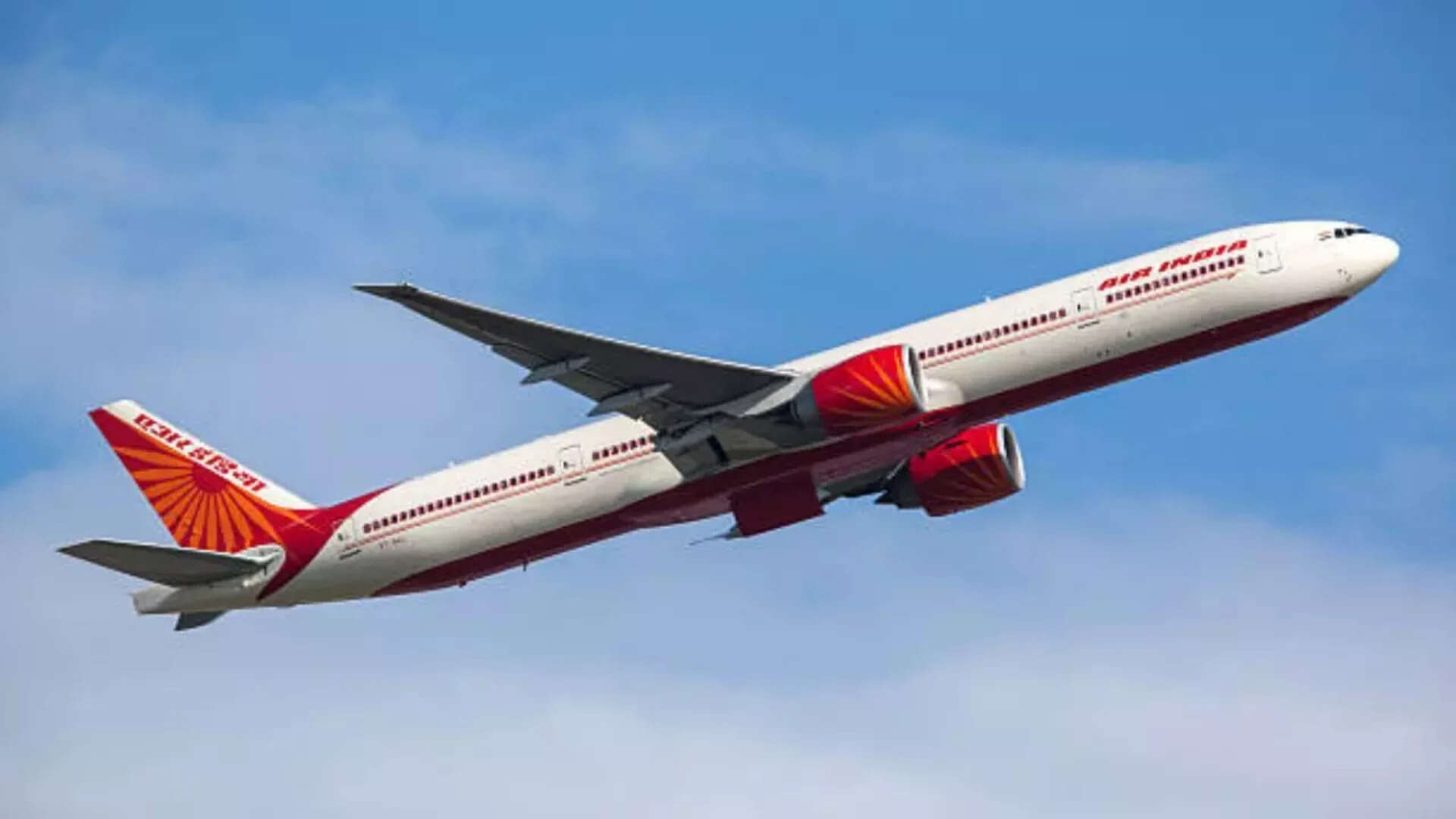
- The refund vs. rebook trap: You’re entitled to a full refund or a free reschedule. If you're trying to get home, look for "relief flights" being operated by larger carriers like Oman Air or even Air India, which has been running special sectors to clear the backlog.
The bigger picture for 2026 travel
This isn't just a SalamAir problem. Emirates, Qatar Airways, and Etihad have all slashed their schedules. The global aviation industry is currently facing its biggest shock since the pandemic. Oil prices have spiked 20% in the last few days alone, which means even the flights that are running are going to get much more expensive very soon.
If you’re currently in the Gulf and don't have to travel, stay put. The situation is fluid. One morning the airspace is open; by afternoon, it’s closed again due to a drone sighting. It's frustrating, but it's the reality of traveling through a conflict zone.
Check your travel insurance policy immediately. Most standard policies have "Act of War" exclusions, but some "Cancel for Any Reason" (CFAR) add-ons might still cover your hotel stays while you're stuck. If you're a UK citizen, register your presence with the FCDO. If you're American, follow the State Department's "Depart Now" advisory if you're in a high-risk area.
Move your booking to a date after March 28 if you want any semblance of certainty. Anything earlier is just a gamble at this point. Keep your bags packed, but keep your expectations low.