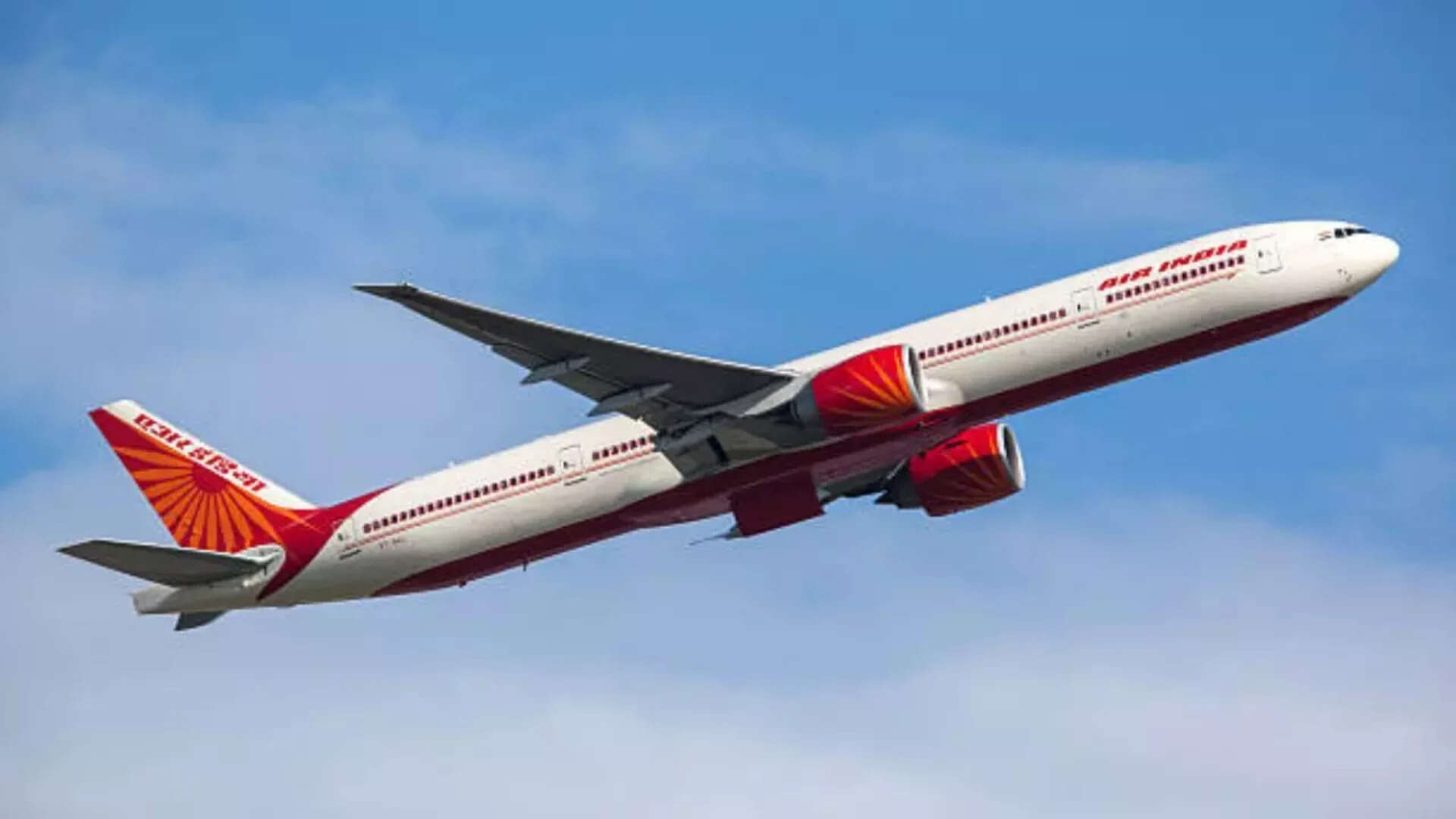
Air India and Air India Express have scrambled 32 ad-hoc non-scheduled flights today, March 9, 2026, to extract thousands of Indian nationals caught in the crossfire of the escalating Iran-Israel-US conflict. While the official line focuses on "resuming services," the reality on the tarmac is a high-stakes logistics gamble played out over closed airspaces and shifting military zones. For the 52,000 Indians who have already filtered through the Gulf in the last seven days, the crisis is far from over.
The Logistics of a Phased Extraction
The current flight surge is not a return to normalcy. It is a surgical strike at the massive backlog of passengers stranded when regional skies went dark. On March 9, the Air India group is deploying a specific 56-flight strategy. This includes 24 scheduled runs to Jeddah and Muscat—hubs that remain operational because Saudi and Omani airspaces are currently assessed as safe—and 32 "special" flights targeting the UAE.
The breakdown of today's rescue operations reveals where the pressure is highest:
- Dubai (DXB): 10 non-scheduled flights by Air India, primarily feeding the Mumbai and Delhi corridors.
- Ras Al Khaimah (RKT): Air India Express has turned this secondary port into a primary evacuation valve, running two round-trips from Mumbai and others from Delhi, Bengaluru, and Kochi.
- Abu Dhabi and Sharjah: Limited shuttle services to Mumbai and Bengaluru to clear the "short-term visitor" backlog.
This isn't a simple matter of turning the engines on. Every one of these 32 flights requires fresh "slots"—the specific time windows granted by airport authorities—and many of these were only secured hours before takeoff.
Why Other Middle East Routes Remain Frozen
Despite the flurry of activity in Dubai and Muscat, a large swath of the Air India network remains paralyzed. Scheduled services to Bahrain, Dammam, Doha, Kuwait, and Riyadh are officially cancelled until at least March 13.
The industry reality is that airlines are operating on a "safe corridor" basis. If a flight path requires crossing an active missile-defense zone or a territory where GPS jamming is prevalent, the flight is scrapped. We are seeing a fragmented sky. While you can fly from Kochi to Muscat today, a flight to Doha is a non-starter because the Qatari airspace remains under a civil aviation lockdown.
The Financial Fallout for the Stranded
For the passenger stuck in a Sharjah hotel room, the airline's offer of a "full refund" is often a hollow gesture. A refund on a $200 ticket doesn't help when the only available flight on a different carrier is priced at $1,200 due to surge demand.
Air India Express has introduced a "port-swapping" policy to mitigate this. If your Dubai-Jaipur flight was cancelled, the airline is allowing you to rebook on a Ras Al Khaimah-Delhi flight at no extra cost. It is a pragmatic, if inconvenient, solution. However, the hidden costs—ground transport between emirates, emergency visas, and missed work—rest entirely on the shoulders of the traveler.
Current Flight Status for March 9, 2026
| Airline | Route | Status |
|---|---|---|
| Air India | Delhi-Jeddah-Delhi | Operating (AI2255/2256) |
| Air India Express | Mumbai-Muscat-Mumbai | Operating (IX235/236) |
| Air India | Mumbai-Dubai-Delhi | 3 Special Rounds (AI4201, 4207, 4217) |
| Air India Express | Kochi-Ras Al Khaimah | Operating (IX1123) |
| Air India Group | To Kuwait, Doha, Riyadh | Cancelled until March 13 |
The Empty Seat Problem
There is a glaring issue that few are discussing: the discrepancy between capacity and cleared passengers. While the DGCA reports over 52,000 evacuees have returned, thousands more are holding "confirmed" tickets for flights that simply do not exist.
The Ministry of External Affairs has set up a dedicated control room, but the communication gap between the embassy and the check-in counter remains wide. Many travelers have reported arriving at UAE airports only to find their "resumed" flight was never granted a landing slot in India. The advice from the ground is cynical but necessary: do not leave your accommodation until you have a digital boarding pass in hand.
Beyond the Gulf: The Long-Haul Pivot
The crisis has forced a radical rerouting of India’s international traffic. To bypass the volatile West Asian corridor, Air India is diverting its Europe and North America flights over longer, more expensive northern tracks. Between March 10 and 18, the airline will add 78 extra flights to the US and Europe to compensate for the connectivity loss.
These flights are burning significantly more fuel to skirt the conflict zones. In an industry where margins are razor-thin, the cost of this "safety first" routing will eventually be passed to the consumer. For now, the focus is survival—both for the passengers and the airlines' operational integrity.
Assessing the Risk
We are looking at a situation that could shift in minutes. The UAE airspace is "gradually reopening," but that is a diplomatic term for "operating under extreme caution." The threat of drone activity or missile debris remains a quantified risk that insurance companies are monitoring as closely as the pilots.
If you are currently in the UAE or planning to travel, you are entering a theater of operations, not just a transit hub. The 32 special flights scheduled today are a temporary bridge. Whether that bridge holds depends more on regional geopolitics than on airline schedules.
Check your registered mobile number for direct SMS updates from the carrier. Do not rely on third-party booking sites for real-time status, as their data feeds often lag behind the airline’s internal ops center. The extraction is moving, but the clock is ticking on the March 13 deadline for broader regional resumption.
Would you like me to track the specific flight number and terminal details for your return journey from the UAE?