The mainstream media is currently mourning the "death of diplomacy" in the Persian Gulf. They look at a few charred tankers and a flare-up of drone strikes in the Strait of Hormuz and conclude that the path to a deal has been vaporized. They are wrong. In fact, they are looking at the situation exactly backward.
The violence isn't an obstacle to the talks. The violence is the opening bid. In related updates, we also covered: The Sound of a Withdrawing Sea.
If you believe that "peace" is the prerequisite for a nuclear or maritime agreement, you don't understand how power functions in the Middle East. You are stuck in a Western, liberal-democratic mindset that views conflict as a failure of communication. In the real world—specifically the world governed by the Islamic Revolutionary Guard Corps (IRGC) and the U.S. Fifth Fleet—conflict is the highest form of communication.
The Myth of the Fragile Table
The prevailing narrative suggests that both sides are "skittish" and that one wrong move will send negotiators packing. This assumes the table is fragile. It isn't. The table is made of reinforced concrete and spiked with tactical necessity. BBC News has analyzed this critical topic in extensive detail.
Washington and Tehran aren't dating; they are locked in a cage match where the prize is regional hegemony and survival. You don't walk away from a cage match because your opponent landed a punch. You lean in.
History bears this out. Look at the lead-up to the 2015 JCPOA. Was it preceded by a period of calm? No. It was preceded by years of "Stuxnet" cyberattacks, the assassination of scientists, and the seizing of oil assets. Escalation provides the data points negotiators need. It reveals exactly how much pain the other side can tolerate before they actually buckle.
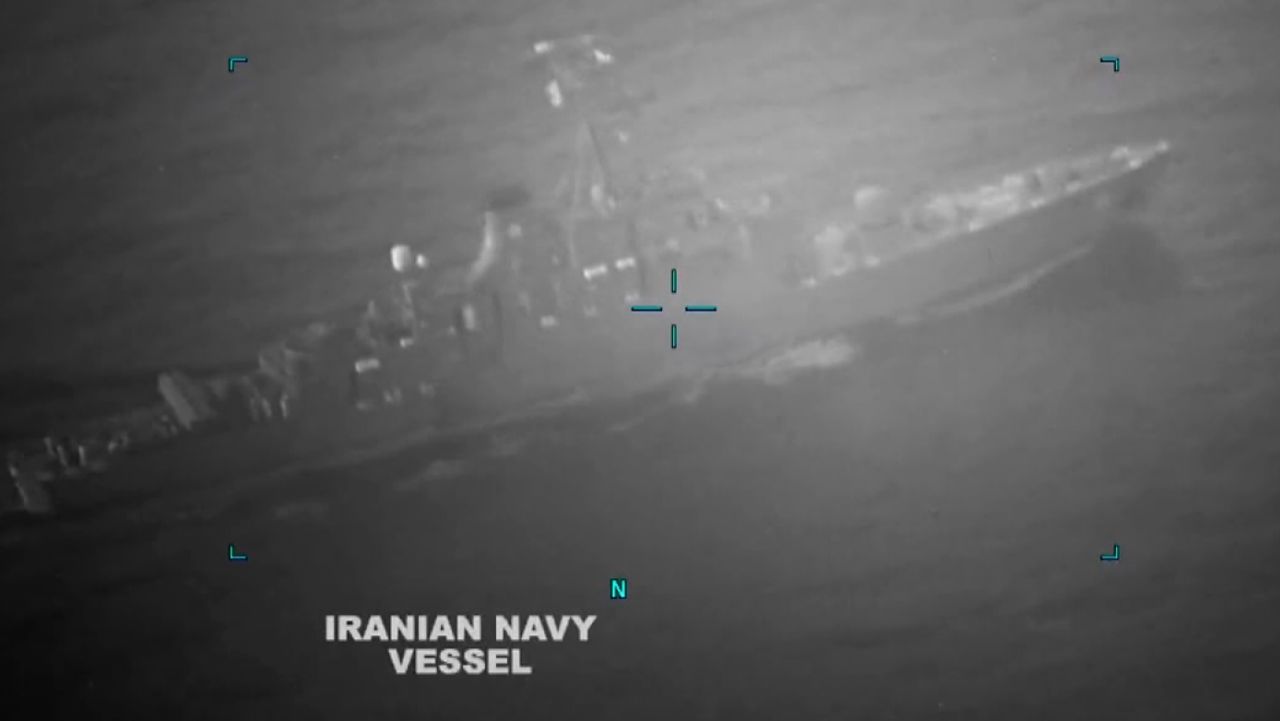
When Iran harasses a vessel in the Strait, they aren't trying to start World War III. They are running a live-fire stress test on the American appetite for a high-inflation oil shock. When the U.S. responds with targeted sanctions or a defensive deployment, they are signaling the exact price of Iranian defiance.
The Strait of Hormuz is a Theater Not a Battlefield
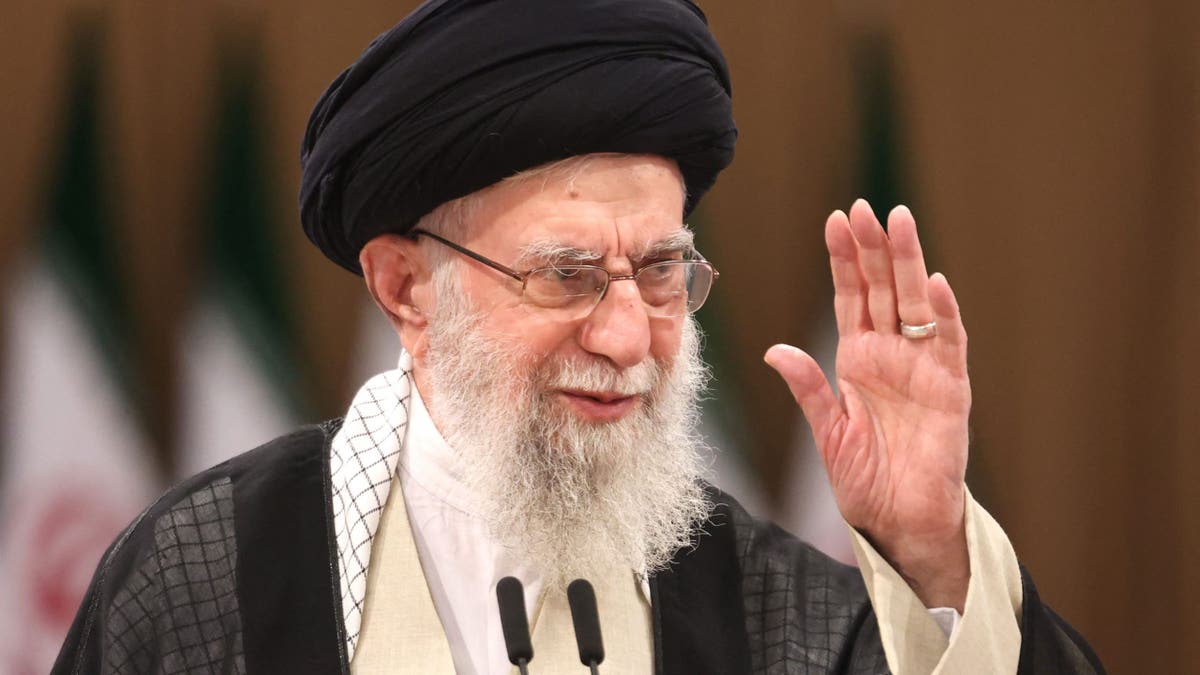
We need to stop treating every skirmish in the Strait as a military event. It is a theatrical performance for an audience of precisely two: the Supreme Leader and the U.S. President.
The Strait of Hormuz handles roughly 20% of the world’s petroleum liquids. If Iran actually wanted to close it, they would. They haven't. They won't. Closing the Strait is a "suicide vest" strategy; it kills the wearer along with the victim. Iran needs the global oil market to function because they eventually want to sell into it again.
Instead, they engage in "calibrated friction."
- Low-Level Harassment: Small boats buzzing destroyers.
- Limpet Mines: Damaging hulls without sinking ships.
- Seizures: Taking a tanker to trade for a seized Iranian asset.
These aren't acts of war. They are "kinetic memos." They are sent to the State Department to remind them that the status quo is more expensive than a deal.
Why 'Stability' is a Trap
The "lazy consensus" argues that we need a "cooling-off period." This is the worst possible advice. A cooling-off period is just a vacuum that allows hardliners on both sides to re-arm and re-group.
In the 2000s, I watched as "de-escalation" efforts repeatedly led to stalemates that lasted years. The most productive moments in U.S.-Iran relations have always occurred when the stakes were highest and the threat of total collapse was most visceral.
The current violence in the Strait is actually forcing the hands of the "realists" in both capitals. It strips away the luxury of delay. For the U.S., it makes the "containment" strategy look leaky and expensive. For Iran, it makes the "resistance" economy look increasingly like a slow-motion car crash.
The Math of Risk
Let’s look at the actual variables involved in this "flaring violence":
$$R = (P \times V) - C$$
Where:
- $R$ is the expected Return on Diplomacy.
- $P$ is the Probability of Total War.
- $V$ is the Value of the status quo.
- $C$ is the Cost of Action.
Right now, the value of the status quo ($V$) is plummeting for both sides. The probability of war ($P$) is rising. This is the only environment where a career diplomat can convince a hardline general that talking is the "tough" choice.
The Sanctions Delusion
Western analysts love to talk about sanctions as a "tool" for diplomacy. In reality, sanctions are the reason diplomacy fails. Sanctions aren't a bridge; they are a wall that Iran has learned to climb, paint, and live on.
The U.S. thinks it is "leveraging" (to use a word I despise) Iran into a corner. But Iran has spent forty years building a "resistance economy" that thrives on the black market and gray-zone shipping. By the time a tanker is seized in the Strait, the sanctions have already done their job—they’ve made the Iranian leadership feel they have nothing left to lose.
If you have nothing to lose, you have no reason to be "cautious" in the Strait. The violence isn't a sign that sanctions are working; it's a sign that they've reached their limit of effectiveness. You cannot "pressure" a country that has been under pressure since 1979 into suddenly becoming a Swiss-style democracy.
Stop Asking if the Talks are 'Dead'
The most common question in the "People Also Ask" section of search engines is: Will there be a war between the US and Iran?
The answer is: No. Not over a tanker.
The second most common: Are the Iran talks over?
The answer is: They haven't even started yet.
What we are seeing now is the "pre-game." It is the aggressive posturing before the actual business begins. If you want to know when a deal is actually close, don't look for handshakes. Look for the moment the violence hits a fever pitch. Look for the moment when a major oil company says the insurance premiums for the Persian Gulf are no longer sustainable.
That is the moment when the "war-weary" public and the "profit-hungry" elite align to force a signature on a piece of paper.
The Actionable Truth
If you are an investor, a policy-maker, or just an observer, stop reacting to the headlines of "flare-ups."
- Volatility is the signal: When the Strait goes quiet, that's when you should worry. Silence means the sides have stopped communicating.
- The IRGC is a business: Treat their actions like hostile corporate takeovers, not religious crusades. They want a piece of the pie, not a seat in heaven at the expense of their regional power.
- Ignore the "Doubt": The "doubts" expressed by mainstream pundits are a lagging indicator. They are based on the emotional response to a drone strike, not the cold logic of geopolitical necessity.
The violence in the Strait of Hormuz isn't the end of the conversation. It's the only reason they're still talking.
Conflict isn't the fire that burns the bridge. It's the fuel that gets the engine to the other side.
Stop looking for peace. Start looking for the point where the cost of the fight finally exceeds the ego of the fighters. We aren't there yet, but every "flare-up" brings us five miles closer.