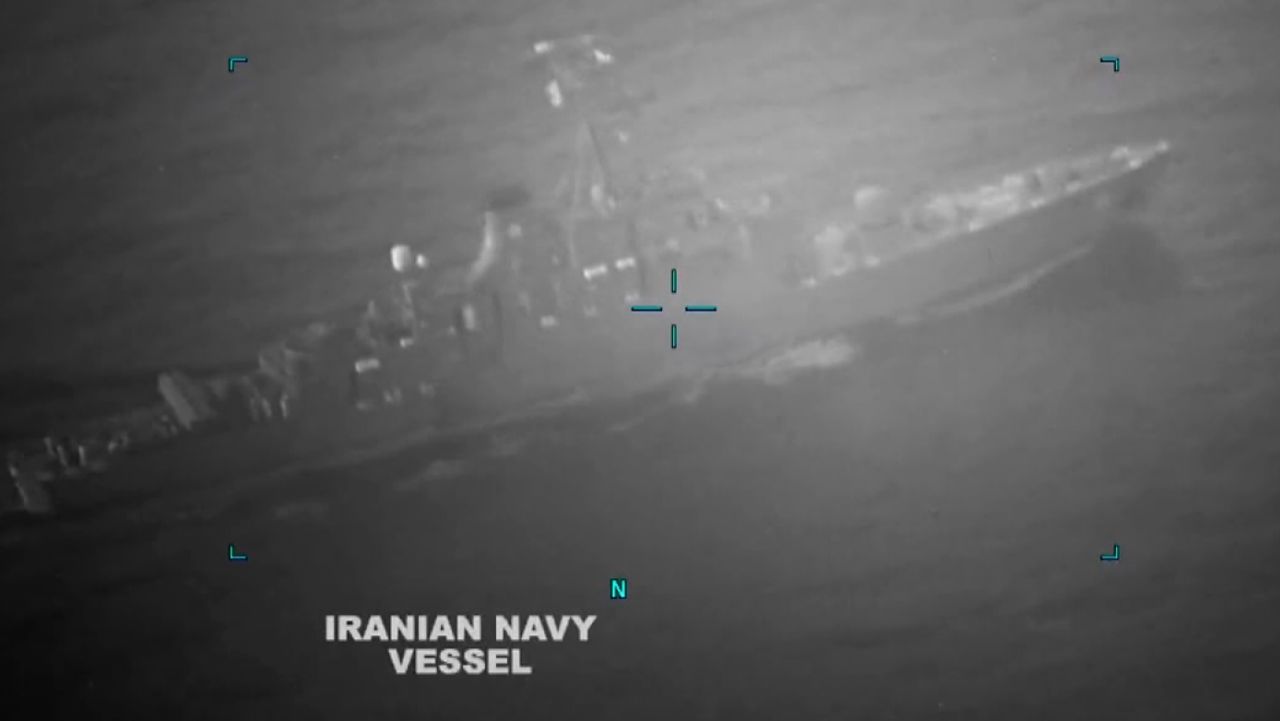
The maritime world just got a wake-up call that nobody wanted. Recently released audio reveals the terrifying moment the Iranian Navy targeted Indian-flagged tankers, and it's even messier than we thought. This isn't just about a single skirmish. It’s about the total breakdown of communication in one of the world's most congested and dangerous shipping lanes. If you think global trade is safe just because there isn't a world war, you're dead wrong.
Why the Iranian Navy Audio Changes Everything
The leaked radio chatter between the Iranian Navy and the crews of Indian tankers isn't just background noise. It’s evidence of a chaotic, high-stakes game of chicken. In the recordings, you hear the confusion. The Indian crew insists they have clearance. The Iranians claim they're firing. It’s raw. It’s unfiltered. And it shows how quickly a routine transit turns into a life-or-death struggle. You might also find this connected story interesting: Stop Calling It a Brawl When It Is a Failure of Urban Predictability.
Most news outlets are focusing on the "who" and the "where." I want to talk about the "how." How does a professional navy end up in a situation where they're threatening commercial vessels that believe they've followed every rule in the book? It’s a lack of standardized protocols and a surplus of political posturing. The Indian tankers were essentially pawns. They were caught in a regional power struggle that had nothing to do with their cargo and everything to do with Tehran’s desire to flex its muscles.
The Growing Risk for Indian Seafarers
India provides a massive chunk of the world's seafarers. When the Iranian Navy starts harassing Indian vessels, it’s not just a diplomatic headache for New Delhi. It’s a direct threat to the lives of thousands of sailors. These guys aren't soldiers. They're workers. They're navigating massive hulls filled with flammable liquids through a narrow stretch of water where some of the world's most aggressive naval forces operate. As reported in latest coverage by NBC News, the results are widespread.
The audio captures a specific phrase that should chill anyone in the shipping industry. "You gave me clearance. You are firing now." That’s the sound of a captain realizing that the rules of engagement just went out the window. It means that even if you do everything right—contact the authorities, stay in international waters, identify your vessel—you can still find yourself in the crosshairs.
Breaking Down the Strait of Hormuz Mess
The Strait of Hormuz is barely 21 miles wide at its narrowest point. About a third of the world’s liquefied natural gas and almost a quarter of total global oil consumption passes through here. It’s a literal choke point. Iran knows this. They use it as a lever. By creating "controlled chaos," they remind the world that they can shut down the global economy whenever they feel like it.
What’s different now is the frequency of these incidents involving Indian ships. Historically, India and Iran had a relatively stable relationship. Energy ties and the development of the Chabahar Port kept things civil. But as global alliances shift and India gets closer to Western security frameworks, the grace period seems to be over. Iran is sending a message to New Delhi. That message is loud, clear, and delivered via heavy machine gun fire.
Navigating the Grey Zone
The Iranian Navy doesn't always use its regular fleet. They often use the Islamic Revolutionary Guard Corps Navy (IRGCN). These guys operate differently. They use fast boats. They use swarming tactics. They don't always follow the same chain of command as the regular navy. This "grey zone" warfare is designed to be confusing. It’s meant to make it hard for the international community to respond without escalating to a full-scale war.
If you’re a captain on an Indian tanker, you don't care about the internal politics of the Iranian military. You care about the fast boat closing in on your stern. You care about the fact that your radio calls are being ignored or met with threats. The psychological toll on these crews is immense. Imagine doing your job while wondering if a missile is about to hit your bridge because of a diplomatic spat thousands of miles away.
Reality of Maritime Communication
The radio is the only thing keeping order in the Strait. Usually, it’s a boring stream of coordinates and weather reports. But when the Iranian Navy cuts in, the tone changes. The recording shows the Iranian side being intentionally vague and then suddenly aggressive. It’s a tactic. They want the merchant ships to feel vulnerable. They want the "clearance" to feel like a lie.
I’ve seen reports suggesting this was a mistake or a misunderstanding. Honestly, I don't buy it. You don't "accidentally" fire on a tanker after a lengthy radio exchange. This was a deliberate choice. It was a test of India’s resolve and a test of how the international community would react to a blatant violation of maritime norms.
India Response and the New Reality
New Delhi is in a tough spot. They can’t just stop sending ships through the Persian Gulf. Their economy would collapse. But they also can’t let their citizens be targeted. We’re seeing more Indian Navy warships being deployed to the region for "escort" duties. This is a massive drain on resources. It also turns the region into even more of an armed camp.
The presence of the Indian Navy’s destroyers and frigates provides some comfort, but they can’t be everywhere. The Strait is too big, and the number of tankers is too high. The Iranian Navy knows how to pick its spots. They wait for the gaps in the escort and then they strike. It’s a classic guerrilla tactic moved to the high seas.
Hidden Costs of Shipping Conflict
When these attacks happen, the price of oil doesn't just go up because of supply fears. It goes up because insurance premiums for these tankers skyrocket. Shipping companies have to pay "war risk" surcharges. Those costs get passed down to you at the gas pump. Every time an Iranian commander decides to harass a tanker, he’s essentially reaching into your pocket.
There’s also the environmental risk. One stray shot hitting the wrong part of a VLCC (Very Large Crude Carrier) could cause an ecological disaster that would make the Exxon Valdez look like a spilled latte. The Iranian Navy is playing with fire in a room full of gasoline.
Strategic Shifts in the Persian Gulf
We're witnessing a fundamental shift in how the Persian Gulf is policed. The era of the US Navy being the sole guarantor of maritime security is fading. Now, countries like India, China, and even European nations are having to step up. This fragmented security approach is exactly what Iran wants. It’s easier to bully individual nations than a unified coalition.
The Indian tankers targeted in this latest incident were just the latest victims of this new, fragmented reality. The audio proves that the Iranians are becoming bolder. They aren't afraid of the diplomatic fallout because they’ve realized that the world is too distracted by other conflicts to mount a serious, unified response.
Impact on Global Trade Routes
If the Strait of Hormuz becomes too dangerous, shipping companies will look for alternatives. But there aren't many. You can go around the Cape of Good Hope, but that adds weeks to the journey and millions in fuel costs. Pipelines exist, but they don't have the capacity to replace the tankers. The world is stuck with the Strait, and that means the world is stuck dealing with the Iranian Navy’s whims.
For India, this is especially painful. They've invested heavily in Middle Eastern energy. They've tried to play both sides of the regional rivalries. This incident shows that "neutrality" doesn't protect your ships. In the Strait of Hormuz, the only thing that protects you is firepower or a very lucky day.
Practical Steps for Maritime Security
Shipping companies aren't just sitting ducks. They’re taking steps, though they’re limited.
- Increased Bridge Manning: Having more eyes on the water helps spot fast boats early.
- Enhanced Radio Protocols: Using multiple channels and recording everything for evidence.
- Private Security: Some tankers now carry armed guards, though this is legally complicated in certain territorial waters.
- Routing Changes: Trying to stay as far into the Omani side of the shipping lanes as possible, though the Iranians often ignore these boundaries.
These measures are basically bandaids on a bullet wound. They don't solve the underlying problem of a state-sponsored navy acting like pirates. The real solution has to be diplomatic, but with the current state of Iran’s relations with the West, don't hold your breath.
The audio of the Iranian Navy targeting Indian tankers is a grim reminder that the ocean is still the Wild West. Rules only matter if someone is there to enforce them. Right now, the enforcement is patchy at best. If you're a seafarer heading into the Gulf, you're not just a sailor anymore. You're a target in a game you didn't sign up to play.
Stop waiting for a "return to normal." This is the new normal. Maritime security is now a daily struggle, and the audio we heard is just one chapter in a much longer, much more dangerous story. If you're in the industry, start hardening your vessels and training your crews for these specific "harassment" scenarios. Don't assume clearance means safety. In the Strait of Hormuz, clearance is just a word until the guns start firing.