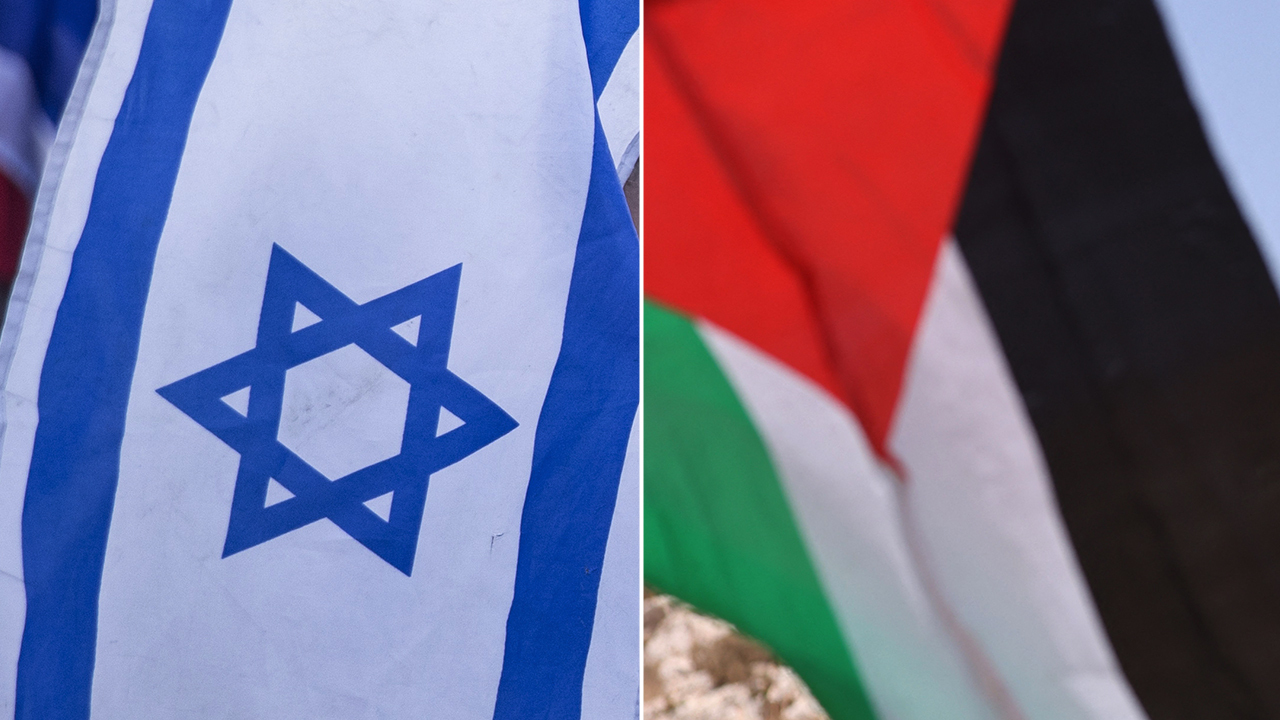
Imagine being fourteen years old, waking up to the sound of boots in your bedroom, and being whisked away into a legal black hole where no one has to tell you why you’re there. For hundreds of Palestinian kids, this isn’t a hypothetical nightmare. It’s their current Tuesday. Recent data from the Israel Prison Service (IPS), analyzed by Defense for Children International - Palestine (DCIP), shows a grim milestone. As of early 2026, roughly 51% of Palestinian children in Israeli custody aren't serving a sentence for a crime. They aren't even waiting for a trial. They’re simply being held.
This is the reality of administrative detention. It’s a colonial-era legal carryover that allows the military to lock someone up based on "secret evidence" that neither the kid nor their lawyer ever gets to see. We aren't talking about a handful of outliers. We're talking about 180 out of 351 children currently in the system. That’s more than half. Honestly, it’s a statistic that should make anyone pause, regardless of where they stand on the broader conflict.
The Secret Evidence Trap
The hardest part to wrap your head around is the lack of due process. In a normal legal system, you’re charged with a specific act—say, throwing a stone or participating in a protest—and you get to defend yourself. Administrative detention skips all those "annoying" steps.
A military commander signs an order based on a classified file. The judge looks at the file in a closed room. The lawyer sits outside. The child sits in a cell. Because there are no charges, there's nothing to disprove. You can't argue you weren't at a certain place at a certain time if the "evidence" of your presence is a state secret. It’s a circular logic that leaves families in a permanent state of limbo. These orders usually last six months, but here’s the kicker: they can be renewed indefinitely. A six-month stint can easily turn into two years without a single day spent in a proper courtroom.
Life Inside the Wire
Numbers tell part of the story, but the conditions inside tell the rest. Reports from groups like Addameer and B'Tselem paint a picture of a system that has become increasingly harsh since late 2023. We’re hearing about 17-year-olds like Walid Ahmad, who died in Megiddo prison in March 2025. While the official causes are often debated, his family and rights groups pointed to systemic starvation and medical neglect.
- Food as a weapon: Detainees consistently report being given meager rations, sometimes just a few slices of bread and some watery soup for the whole day.
- Isolation: Since October 2023, the International Committee of the Red Cross has been barred from visiting Palestinian detainees. That means no independent oversight.
- Violence: Testimonies from released kids frequently mention "shakedowns" where guards use pepper spray and batons during cell searches.
It’s not just about being locked up; it’s about the environment. When you’re a minor, every month in a cell is a month of lost schooling, lost social development, and a growing pile of trauma. Most of these kids come home with deep-seated anxiety and a total distrust of any authority figure.
The Double Legal Standard
If you’re a kid living in the West Bank, your rights depend entirely on your ethnicity. This is the part people often miss. An Israeli teenager living in a settlement in the West Bank is subject to Israeli civilian law. If they get into trouble, they have a right to a lawyer immediately, they can't be held for long without a charge, and they’re treated with the protections of a modern juvenile justice system.
A Palestinian kid living five minutes down the road in a village is subject to military law. They go to military courts where the conviction rate is famously over 90%. They can be interrogated without a lawyer present. They can be held in administrative detention. This dual legal system is what international bodies like the UN and Amnesty International point to when they use words like "apartheid." It’s a separate and unequal reality that’s baked into the geography of the region.
The Breakdown of Oversight
One of the most concerning developments in 2025 and 2026 has been the total blackout of information. The IPS used to release data quarterly. Now, they’re often months late. Sometimes they just don't release it at all. This makes it incredibly hard for human rights monitors to even track how many kids are being taken.
And then there’s Gaza. The numbers we’re talking about—the 351 children—mostly cover the West Bank and East Jerusalem. The number of children taken from Gaza into military camps like Sdei Taiman is often a mystery. These kids are frequently classified as "unlawful combatants," a label that provides even fewer protections than administrative detention. They basically disappear into the system for months at a time.
What Happens Next
The international community loves to issue "deeply concerned" statements, but for these 180 children held without charge, statements don't open cell doors.
If you want to actually do something besides reading and feeling bad, you've got to put pressure where it matters. That means:
- Supporting Legal Defense: Groups like DCIP and Addameer provide the only legal shield these kids have. They need resources to keep fighting "secret evidence" in military courts.
- Contacting Representatives: If you're in the US or UK, your government provides the diplomatic and military cover that allows this system to persist. Demand that aid be conditioned on the end of administrative detention for minors.
- Staying Informed: Don't let these statistics become background noise. Follow the specific cases of children like the late Walid Ahmad to remind yourself that these aren't just data points—they’re people.
The goal isn't just to "fix" the prisons. It’s to end a system where a child can be "disappeared" into a cell because of a file they aren't allowed to read. Until the secret evidence trap is dismantled, "justice" is just a word that doesn't apply to half the kids in the system.