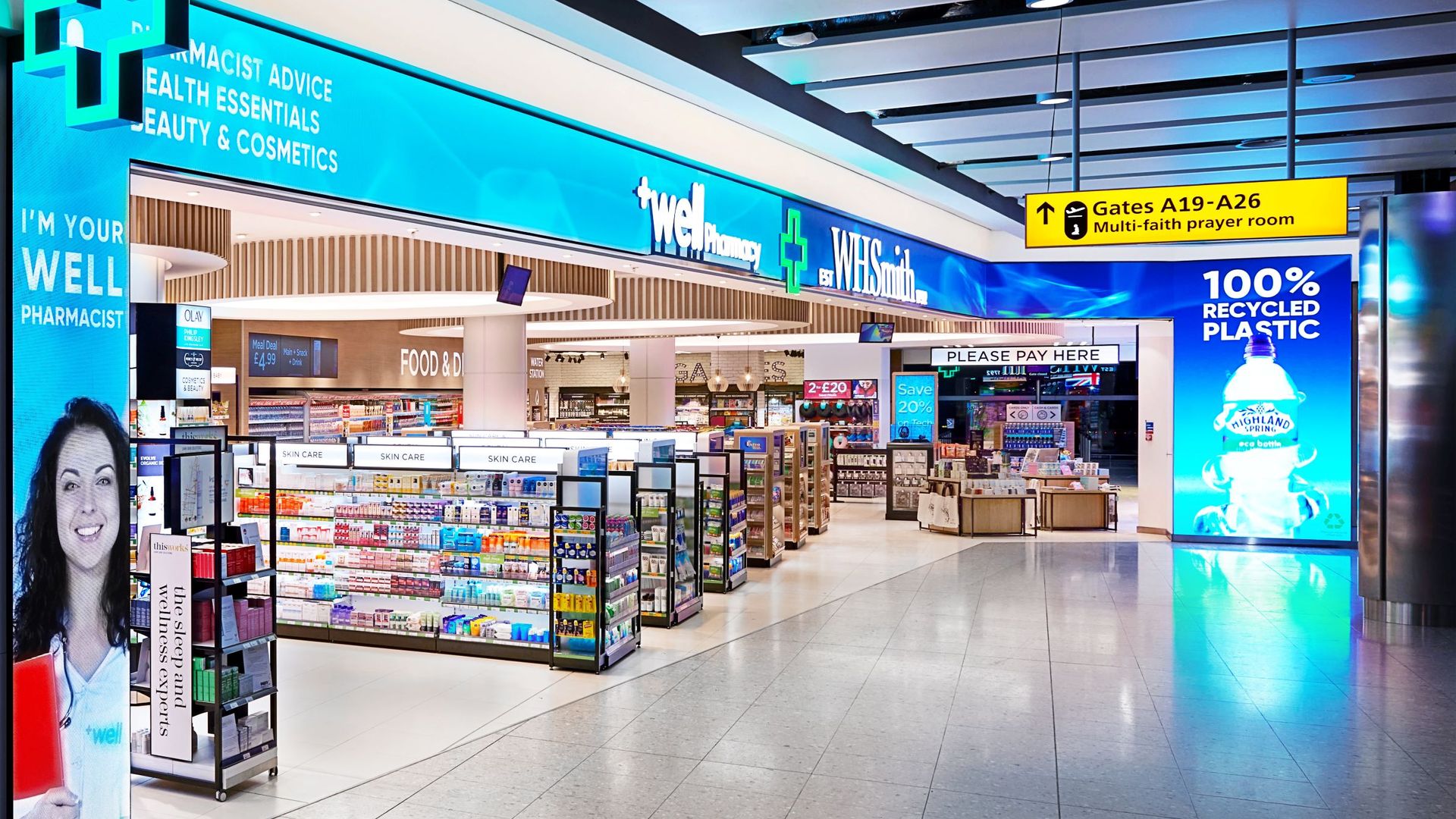
WH Smith just hit the panic button. Today, the travel retail giant slashed its profit forecasts and scrapped its dividend, sending shares tumbling over 10%. If you've been to an airport lately, you know the vibe is tense, but for WH Smith, it’s becoming a financial nightmare. The company is now trapped between a massive accounting scandal in its US division and a Middle East conflict that’s choking off the world’s jet fuel supply.
The reality is simple. When planes don't fly, people don't buy £5 meal deals and overpriced neck pillows. The Strait of Hormuz is basically a no-go zone right now, and that’s where about a third of the world's jet fuel flows from. European airlines are staring down a six-week countdown before their reserves hit zero. For a business that ditched almost all its high street shops to bet everything on travel hubs, this fuel crisis isn't just a "headwind"—it’s an existential threat.
The Numbers That Scared Investors
WH Smith's interim results for 2026 are pretty grim. While they managed to scrape together a 5% increase in total revenue to £748 million, the actual profit collapsed. Headline profit before tax fell from £21 million last year to a measly £3 million. That’s a 85% drop.
The company expects full-year profits to land between £90 million and £105 million. That sounds okay until you realize their previous guidance was up to £115 million. It’s a classic case of a business running as fast as it can just to stay in the same place. Expenses are climbing, passenger numbers in the UK are flat, and the "summer bounce" everyone was banking on looks like it might be a dud.
Why the Jet Fuel Shortage Changes Everything
You might wonder why a stationery shop cares about kerosene. It’s about the footfall. Major carriers like Wizz Air and IAG (which owns British Airways) are scrambling. Wizz Air is in the worst spot because they didn't hedge their fuel prices well—only about 55% is covered. When fuel costs double and supply vanishes, flights get canceled.
- Canceled flights mean empty airport terminals.
- Empty terminals mean zero sales for WH Smith’s flagship airport stores.
- Consumer fear means even the people who do fly are spending less because they're worried about the broader economy and rising inflation.
Max Izzard, the CFO, basically admitted they're bracing for a "difficult summer." That’s corporate speak for "we’re terrified the peak season won’t happen."
The Ghost of Accounting Scandals Past
It’s not just the war in the Middle East causing headaches. WH Smith is still cleaning up the mess from a massive accounting blunder in its US division from last year. That scandal wiped 40% off the share price and led to an investigation by the Financial Conduct Authority (FCA).
The new Executive Chair, Leo Quinn, is trying to "steady the ship," but the ship has a lot of holes. They’ve got nearly £500 million in net debt. By suspending the dividend, they’re basically telling shareholders: "We need every penny just to keep the lights on." It's a tough pill to swallow for investors who were promised a recovery.
Why the US Expansion Isn't Saving Them
For a while, the narrative was that North America would be the savior. The "Travel Essentials" stores there are actually growing—up 22% in the first half of the year. But the margins are thin. While they're opening new flagship stores in Albuquerque and Portland, the cost of doing business is eating the gains.
The shift toward travel hubs was supposed to be a genius move. High streets are dying, so go where the captive audience is, right? But that strategy only works in a stable world. Right now, the travel industry is more volatile than it's been since 2020. Between fuel shortages, strikes, and geopolitical tension, the "captive audience" is staying home.
What Happens if the Summer Peak Fails
If the fuel crisis doesn't ease by June, WH Smith is in serious trouble. They are banking on the summer months to make up for a lackluster winter. If European inventories actually run dry as the IEA warned, we're looking at mass groundings.
The company's leverage is sitting at 2.9x, and they want to get it below 2.0x. You don't do that by selling fewer books and snacks. You do that by having a massive, uninterrupted flow of tourists. Honestly, the current projections of £90 million to £105 million profit feel optimistic if the Strait of Hormuz stays closed.
Practical Moves for Investors and Observers
If you’re holding the stock or watching the retail sector, don't ignore the fuel data. The retail health of companies like WH Smith is now directly tied to oil tanker movements in the Persian Gulf.
- Watch the hedging levels. Keep an eye on the airlines. If Ryanair (80% hedged) starts cutting routes, everyone else is already under water.
- Monitor the FCA investigation. Any further "adjustments" to the US accounts will be a death knell for investor trust.
- Check the airport footfall data. Don't wait for the next WH Smith earnings report. Look at the monthly passenger stats from Heathrow and Gatwick. They are the leading indicators for this business.
The era of WH Smith being a "safe" boring retail stock is over. It’s now a high-stakes bet on global logistics and peace in the Middle East. If you aren't comfortable with that kind of volatility, it's time to look elsewhere. The next few months will determine if this is a temporary dip or the start of a much longer decline.