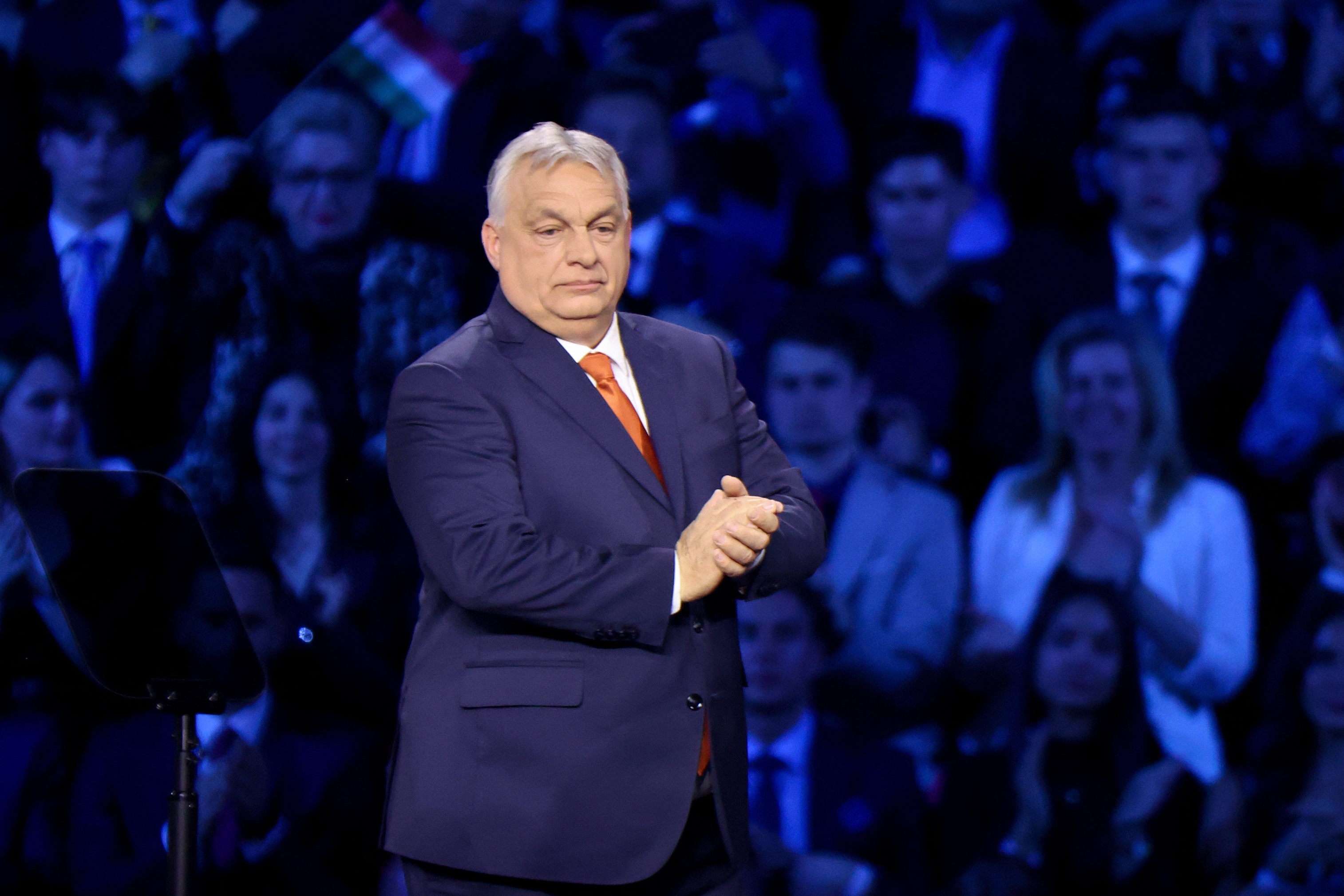
The impossible happened in Budapest last night. After sixteen years of treating Hungary like a personal fiefdom, Viktor Orbán didn't just lose; he got crushed. He didn't wait for the final tally to start the spin, either. By Sunday night, the man who famously built an "illiberal democracy" was on the phone to his arch-rival, Péter Magyar, conceding that the game was up.
It’s the end of an era that many thought would only end in a casket. Instead, it ended with a record-shattering 79% turnout and a supermajority for the opposition Tisza Party. If you’re looking for the moment the populist wave in Europe hit a concrete wall, this is it.
The Man Who Broke the Fidesz Monopoly
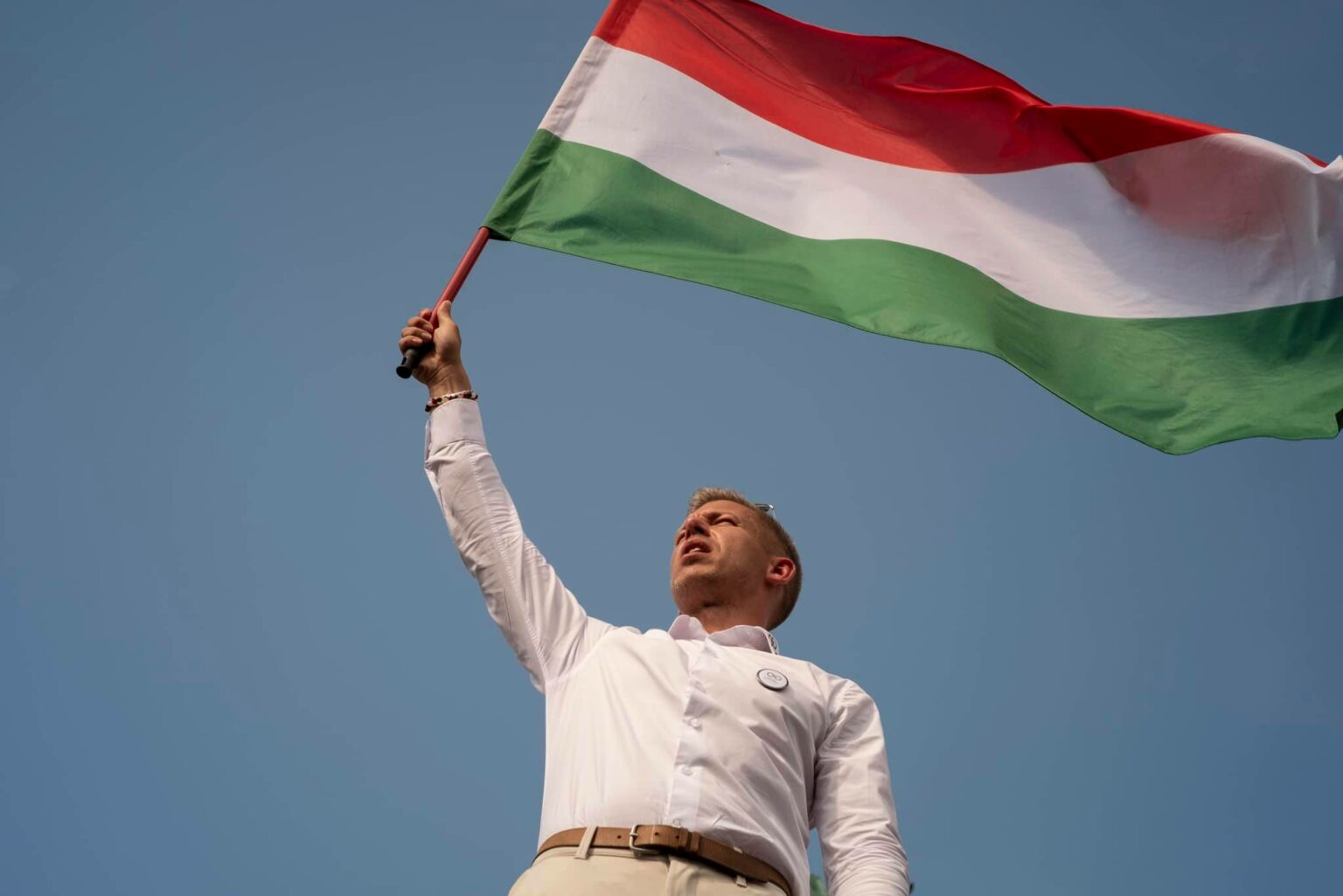
You can't talk about this election without talking about Péter Magyar. A year ago, nobody outside of elite political circles knew his name. He was an insider, the ex-husband of Orbán’s former justice minister, Judit Varga. He knew where the bodies were buried because he helped dig the holes.
When he turned on the regime after a pedophilia pardon scandal rocked the government in early 2024, he didn't just leave; he blew the doors off. He claimed the "national, sovereign" Hungary Orbán promised was nothing more than a "political product" designed to enrich a few cronies. Hungarians, tired of double-digit inflation and a healthcare system in shambles, actually listened.
Magyar didn't run a standard campaign. He went to the villages Fidesz thought they owned. He spoke to people who hadn't seen an opposition politician in a decade. He framed the choice in the simplest terms possible:
- Europe or Russia?
- Honest talk or propaganda?
- Clean life or systemic corruption?
The results show that even the most aggressive state media machine can't hide the price of eggs or the smell of a decaying hospital forever.
Why the Orbán Model Collapsed
For years, political scientists called Hungary a "hybrid regime" or an "electoral autocracy." Orbán had rigged the rules so thoroughly—gerrymandering districts and controlling 90% of the media—that a fair fight seemed impossible. So, how did the opposition win 138 seats in a 199-member parliament?
First, the economic reality became undeniable. While Orbán focused on "culture wars" and fighting "Brussels bureaucrats," the average Hungarian saw their purchasing power evaporate. Hungary became one of the most expensive places in the EU to buy groceries. You can't eat sovereignty.
Second, the Russia connection became a massive liability. Orbán’s cozy relationship with Vladimir Putin, even as war raged next door in Ukraine, finally alienated the moderate right. Watching Orbán block billions in aid to Ukraine while Hungary remained tethered to Russian gas made many voters feel like they were on the wrong side of history.
Third, Fidesz ran out of enemies. When you've spent sixteen years blaming George Soros, migrants, and the EU for every leak in the roof, people eventually stop looking at the clouds and start looking at the guy holding the hammer.
What Happens to the Global Far Right Now
This isn't just a local story. Orbán was the "cool kid" of the global far-right. He was the guy Donald Trump called "fantastic" and "tough." He was the blueprint for how to use democratic machinery to dismantle democracy itself.
His defeat sends a chilling message to similar movements in the West. It proves that no matter how much you tilt the playing field, a high enough turnout can still overrule the system. The record 79% participation rate in this election suggests that when people feel their country's soul is on the line, they show up.
European leaders are already breathing a massive sigh of relief. Ursula von der Leyen was quick to say that "Europe's heart is beating stronger in Hungary tonight." Without Orbán’s constant veto at the EU table, expect a much more unified European front on everything from Ukraine defense to climate policy.
The Immediate Road Ahead
Don't expect a quiet transition. Orbán has spent over a decade embedding his loyalists into every corner of the state—the courts, the universities, and the central bank. Péter Magyar might have the seats, but he's inherited a house where the previous owner changed all the locks and hid the fuse box.
If you’re watching this from the outside, the next few months will be a masterclass in how to dismantle a "captured" state. Magyar has promised to join the European Public Prosecutor’s Office to claw back stolen funds and to restore media independence immediately.
What you should watch for next:
- The Purge: Watch how quickly Magyar moves to replace the heads of state institutions.
- EU Funds: Look for a massive influx of frozen EU cash as Hungary returns to the "rule of law" fold.
- The Trump Factor: With his favorite European ally gone, expect a shift in how the American right talks about "the Hungarian model."
The myth of Orbán’s invincibility is dead. Hungary just proved that even the most sophisticated "illiberal" system has a breaking point. It’s a messy, loud, and incredibly fast-moving transition. If you’ve been ignoring Central European politics, now is the time to start paying attention.