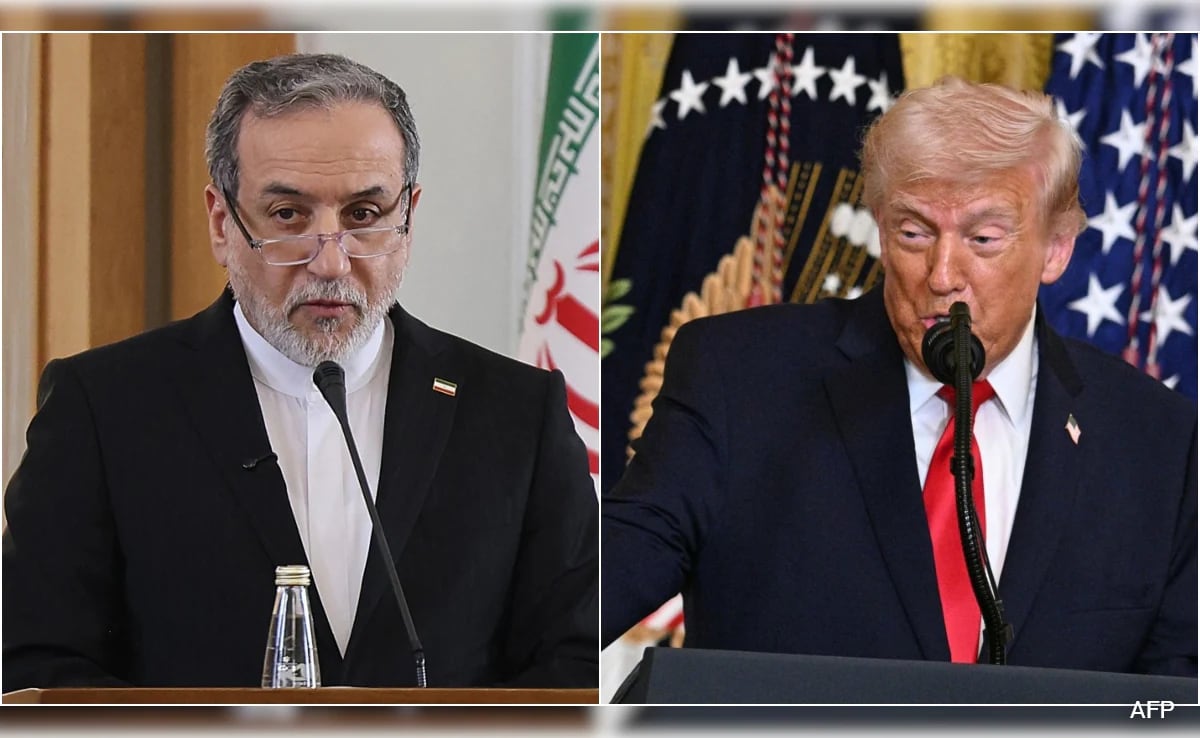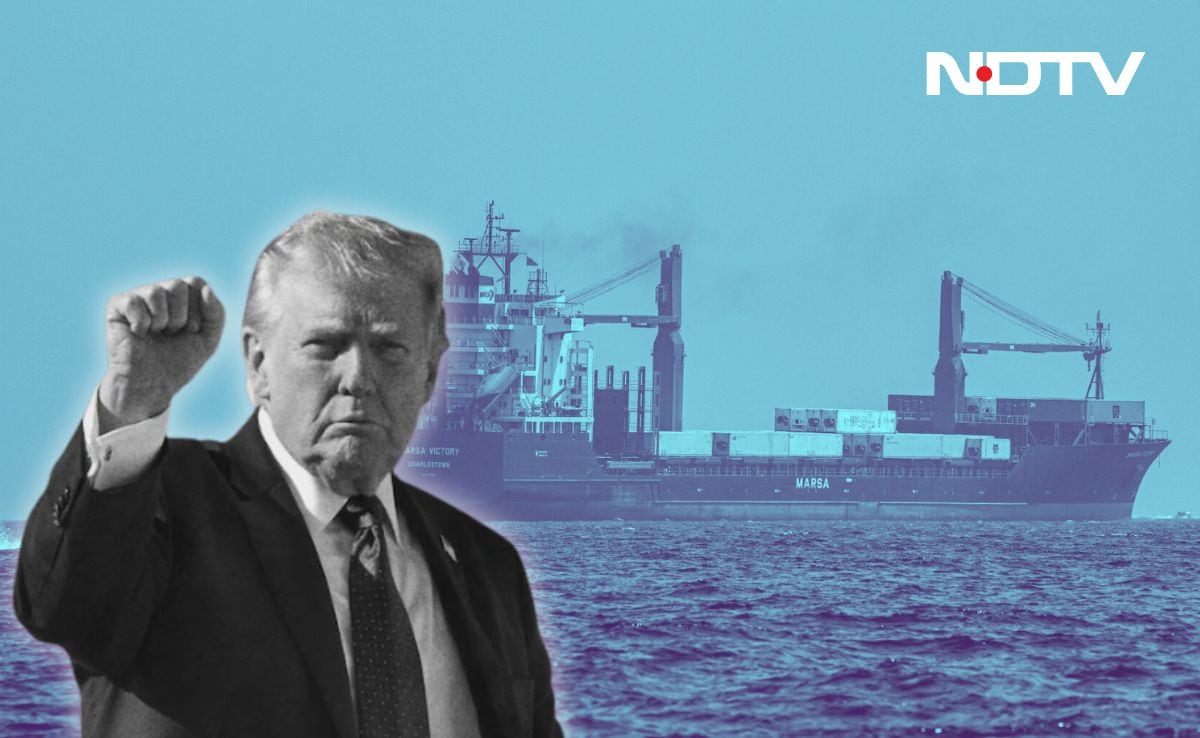
Geopolitics is often a game of chicken until someone finally smells smoke. Right now, that smoke is coming from the Middle East, and it’s forcing the US Treasury to do something it swore it wouldn't: give Russian oil a free pass.
Brent crude just smashed past $100 a barrel for the first time in years. The Strait of Hormuz is effectively a no-go zone. With the war in Iran strangling a fifth of the world’s energy supply, the Biden-Trump transition era logic of "crush the Kremlin" has hit a massive, expensive wall. You can’t keep the world running on good intentions and empty tankers. Meanwhile, you can explore similar developments here: Structural Accountability in Utility Governance: The Deconstruction of Southern California Edison Executive Compensation.
The 30 day escape hatch for stranded crude
The US Treasury’s Office of Foreign Assets Control (OFAC) quietly issued General License 133 this week. It’s a 30-day waiver that lets Russian oil already at sea find a home—specifically in India—without triggering the massive sanctions that usually come with it.
Here is the raw reality. Millions of barrels of Russian crude were sitting in "floating storage." These ships were loaded on or before March 5, 2026, but they were legally toxic. No one wanted to touch them for fear of being cut off from the US financial system. But with Middle Eastern supplies trapped in the Persian Gulf, India was facing an energy heart attack. To see the complete picture, check out the excellent report by Investopedia.
The US didn't do this to be nice to Putin. They did it because India’s economy was about to stall out, and that would have sent global markets into a tailspin. By letting this specific "stranded" oil reach Indian ports by April 4, the US is trying to put a lid on a price explosion that's already hitting American gas stations.
Why India is the big winner here
India is the world’s third-largest oil consumer. They import nearly everything they use. When the Middle East blew up last week, their usual supplies from Saudi Arabia and Iraq simply stopped showing up.
Indian refiners like Reliance and Indian Oil Corporation didn’t wait for a second invitation. As soon as the waiver hit, they scooped up 30 million barrels of Russian crude. It’s an emergency bridge. Without it, India would have run out of oil in less than a month.
But don't think this is a return to business as usual. The waiver is incredibly narrow.
- The oil must have been loaded before March 5.
- It has to land in an Indian port.
- The buyer has to be an Indian entity.
It’s a surgical strike at a supply shortage, not a lifting of the siege.
The hypocrisy of energy security
Critics are already screaming. Senator Jeanne Shaheen called it "filling the Kremlin's war coffers." She’s not entirely wrong. Russia is claiming this proves the world can’t survive without their energy. Russian envoy Kirill Dmitriev is already on Telegram gloating that Washington is finally "acknowledging the obvious."
But look at the math. The US Treasury Secretary, Scott Bessent, argues that since this oil was already extracted and loaded, the tax revenue has already hit the Kremlin’s books. Letting it sit in the ocean helps no one. Letting it hit the market lowers the price of all oil, which actually hurts Russia’s future profits.
It’s a gamble. The US is betting that a temporary surge in supply will stabilize the West more than the cash helps the East. Honestly, it’s a desperate move. When gas prices jump 65 cents in a single month, political principles usually take a backseat to electoral survival.
Is the shadow fleet finally obsolete
For the last two years, Russia has relied on a "shadow fleet"—old, decrepit tankers with murky insurance that sail outside Western rules. By March 2026, this fleet was handling nearly 70% of Russia’s exports.
This new waiver changes the math for those ships. For 30 days, they don’t have to hide. They can use legitimate ports and clear legal channels. But once April 4 hits, the door slams shut again.
The real question is what happens if the Iran conflict doesn't end. If the Strait of Hormuz stays closed, 30 days won't be enough. The US might find itself in a cycle of "temporary" waivers that effectively kill the sanctions regime by a thousand cuts.
What this means for your wallet
If you’re watching this from a desk in New York or a car in London, here’s the bottom line. This move is a "hail mary" to keep inflation from hitting double digits again.
When the US allows Russian oil back into the light, it’s a signal that the global energy system is at its breaking point. We are seeing a shift from "values-based" trade to "survival-based" trade.
Keep an eye on the following over the next few weeks:
- Brent Crude Prices: If they stay above $100 despite the waiver, expect a second, broader license from OFAC.
- Indian Export Levels: India often refines Russian crude and sells it back to Europe as "Indian" diesel. This waiver keeps that profitable loop alive.
- G7 Unity: France is already pushing back, saying the Iran crisis is no excuse to go soft on Moscow. The cracks in the Western alliance are getting wider.
The US didn't choose to help Russia. It chose to save itself from a $150-a-barrel nightmare. Whether that trade-off is worth it depends entirely on how long the fires in the Middle East keep burning.
Check the shipping data on MarineTraffic or follow the daily OFAC updates. If you see more vessels being added to the "cleared" list, you’ll know the 30-day window is about to become a permanent open door.