Just as we were starting to breathe a sigh of relief, the energy market has thrown another curveball. You've probably seen the news that the Ofgem price cap is falling to £1,641 this April. It’s a 7% drop that should’ve been the start of a calmer year. But then the Middle East erupted. With tensions involving Iran escalating and threats to the Strait of Hormuz becoming real, analysts are already warning that household bills could spiral to £2,500 by later this year.
If that sounds like a nightmare you've already lived through, you're right. It’s a potential repeat of the 2022 price shock, and it proves how fragile our "energy security" actually is.
The April cooling period is just a fluke of timing
The £117 saving landing in your bank account this April is essentially "old news" in the eyes of the market. Ofgem sets the price cap based on wholesale costs from months ago. The drop we’re seeing now reflects a period of relative stability that existed before the latest Iranian crisis.
Right now, we're in a strange "eye of the storm." While your current rates are protected by the cap until June 30, 2026, the wholesale market is screaming. Since the conflict escalated in late February, UK natural gas futures have jumped. At one point, prices surged by 54% to 122p per therm. If those prices stay high through March and April, the "benefit" of the April price cap will be wiped out before the summer even arrives.
Why a crisis in Iran hits your kitchen in Birmingham
It’s easy to think a conflict thousands of miles away shouldn't matter when you turn on your kettle. The UK only gets about 1% of its gas directly from Qatar, and almost none from Iran. But energy is a global "pool."
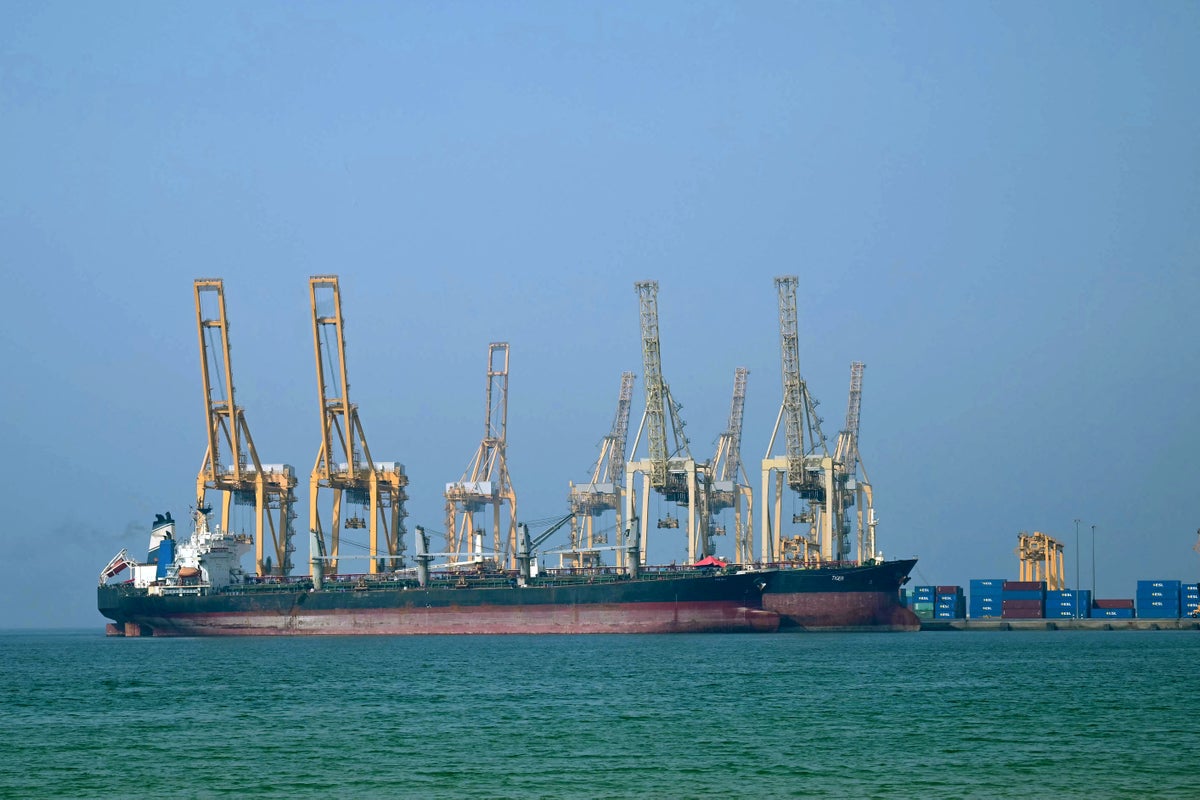
When Iranian drones or regional tensions threaten the Strait of Hormuz, they're threatening a chokepoint where 20% of the world’s Liquified Natural Gas (LNG) flows. If that tap gets turned off, or even just restricted, countries like China and Japan lose their supply. They don't just sit in the dark; they come to the European market to outbid us for the gas we do use.
We aren't "price makers" in the UK; we're "price takers." Even our own North Sea gas is sold at the global market rate. If the world price triples, your bill triples, regardless of where the gas was sucked out of the ground. Analysts at Stifel have pointed out that a six-week disruption to Qatari LNG could push wholesale prices to 250p per therm. That is exactly the math that leads to a £2,500 annual bill for the average home.
The July whiplash is the real threat
The next time Ofgem adjusts the cap is July 1, 2026. This is where the "Iran effect" will actually show up on your statement. While early forecasts originally predicted another small fall or a flat rate for summer, Cornwall Insight has already hiked its July prediction to £1,801.
That’s a £160 jump just to start with. If the military situation worsens, that's just the tip of the iceberg. We’re looking at a potential 10% to 15% increase every quarter if the Strait of Hormuz remains a combat zone.
What this means for your monthly budget
- Petrol and Diesel: You've probably already seen this at the pump. Oil prices hit $80 a barrel almost immediately after the strikes began. The RAC says petrol has already climbed by 2.5p a litre in a single week.
- Inflation: Higher energy costs don't just hit your radiator. They hit the baker’s oven and the supermarket’s refrigerated trucks. It’s a domino effect that keeps interest rates high for longer.
- Standing Charges: While the unit rate for gas might fluctuate, standing charges remain a point of contention. In the April cap, gas standing charges are falling, but electricity is actually rising by 4%.
Should you fix your energy rate now
This is the £2,500 question. For the last two years, "don't fix" was the standard advice because the market was trending down. Now, that trend has snapped.
Some suppliers, like EDF, have launched fixed tariffs that match the April cap of £1,641. If you're someone who values sleep over saving an extra £20, locking in now might be the smartest move you make this year. If the Stifel prediction of £2,500 comes true, a £1,641 fix will look like the deal of the century by Christmas.
However, be careful. Most "deals" right now come with exit fees of £75 or more. If a peace deal is struck tomorrow and prices crater, you’ll be stuck paying the higher rate. It’s a gamble on geopolitics, not just economics.
How to insulate your wallet from the next shock
The government’s "Warm Homes Plan" and the move of green levies to general taxation provide some relief, but they won't stop a global price spike. You need to be proactive.
- Check your fix options today: Don't wait for the July announcement. By then, the cheap fixes will be gone. Use a comparison tool to see if there's a "no-exit-fee" fix available.
- Audit your "vampire" loads: With prices potentially hitting 25p+ per unit of electricity again, those devices on standby actually matter. A smart meter is your best friend here—use the "search and destroy" method to find what's draining power at night.
- Apply for the Warm Home Discount early: If you’re eligible for the £150 discount, make sure your supplier has your correct details. With the cost of living set to tighten again, every bit of leverage helps.
The reality is that as long as we rely on gas to heat our homes and generate 30% of our electricity, we're at the mercy of whatever happens in the Middle East. The "energy crisis" didn't end in 2023; it just went into remission. It’s time to start budgeting for a much more expensive winter.
Compare your current tariff against the new April rates and see if a 12-month fix offers the protection you need before the summer price hike is confirmed.