The UK economy just pulled a rabbit out of a hat. After months of gloomy forecasts and whispers of stagnation, the latest figures show a surprising 0.6% growth for the first quarter of 2026. This isn't just a minor flick of the needle; it’s the fastest growth in the G7 for the start of the year. If you've been listening to the constant drumbeat of "broken Britain," these numbers might feel like they’re from a parallel universe.
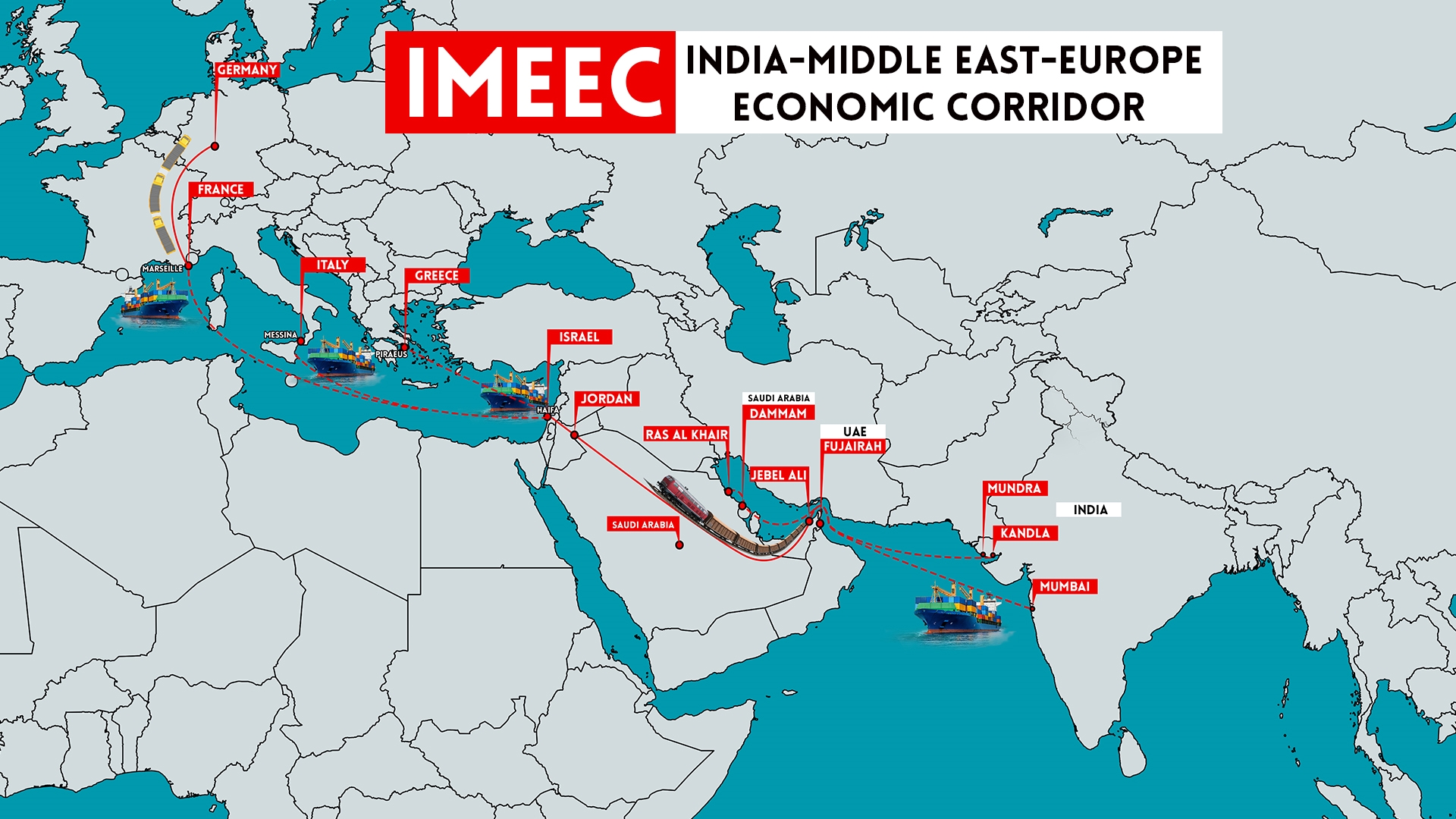
Honestly, the narrative of a terminal decline was getting a bit tired. While the US and Europe are wrestling with their own distinct flavors of volatility, the UK has quietly accelerated. But don't break out the champagne just yet. This growth is real, but it’s sitting on a very specific set of foundations that could shift if the wind changes. You might also find this connected article insightful: The Strait of Hormuz Standoff and the End of Energy Neutrality.
The Services Engine Is Redlining
The most significant driver behind this jump is the services sector. It grew by 0.8% in Q1 2026, which is massive when you consider it makes up about 80% of the UK economy. We’re talking about everything from the coffee shop on the corner to the massive high-frequency trading floors in the City.
What's actually interesting is where that growth came from. It wasn't just people buying more stuff. High-value sectors like computer programming, advertising, and wholesale trade did the heavy lifting. Wholesale and retail trade alone jumped by 2.0%, largely driven by a 3.1% surge in wholesale activity. This suggests that businesses are finally stocking up and moving goods again, anticipating a demand that many thought had dried up. As highlighted in latest articles by Harvard Business Review, the implications are significant.
Construction Finally Found Its Footing
For most of late 2025, the construction sector looked like it was in a deep freeze. High interest rates made borrowing for big projects a nightmare, and developers were sitting on their hands. However, Q1 2026 saw a 0.4% increase in construction output.
It’s not a total recovery—construction is still trying to claw back the losses from the end of last year—but the trend has flipped. You’re seeing more activity in commercial builds and infrastructure, likely because firms have stopped waiting for "perfect" conditions and started dealing with the reality of current interest rates, which the Bank of England has held steady at 3.75%.
Real GDP Per Head Is Actually Moving
Most people don't care about the headline GDP figure because it doesn't always reflect their bank accounts. But here’s the kicker: Real GDP per head rose by 0.6% in the first quarter of 2026. It’s up 0.9% compared to this time last year.
This is a big deal because it means the growth isn't just a result of a growing population; the economy is actually becoming more productive on an individual level. It’s a subtle shift, but it’s the difference between an economy that’s just getting "bigger" and one that’s actually getting "better."
The Inflation Shadow and the Middle East Factor
You can't talk about UK growth without looking at the 3.5% implied GDP deflator—basically the economy's internal inflation gauge. While the headline CPI (Consumer Price Index) has cooled significantly from the double-digit nightmares of previous years, it’s still sitting around 3.0%.
The elephant in the room is the conflict in the Middle East. It’s already pushing fuel prices up—essential spending on fuel rose 1.6% in March, the first increase in over two years. If energy prices spike again, that 0.6% growth could evaporate quickly. Businesses are worried; over 80% of firms surveyed by the British Chambers of Commerce are still flagging energy and labor costs as their primary headaches.
Why Consumer Confidence Is a Mixed Bag
If you look at how we're spending our money, things get weird. Non-essential spending growth slowed to 1.1% recently, and travel spending—usually a powerhouse—actually declined in early 2026. People are being pickier.
Instead of big holidays, we’re spending on "insperience." Digital content and subscriptions are up nearly 11%. We’re also spending more on health and beauty (up 6.3%). It’s a "lipstick effect" economy—people are cutting back on the massive expenses but treating themselves to smaller luxuries to keep the vibes high.
The Business Investment Puzzle
Business investment is the one area that still feels a bit shaky. It fell by 2.7% at the tail end of 2025, though it was up over the year as a whole. In 2026, firms are still cautious. The "wait and see" approach hasn't entirely disappeared, especially with unemployment ticking up to 5.2% and youth unemployment hitting 1.9 million.
The increase in the national minimum wage—an 8.5% jump for 18-to-20-year-olds in April 2026—is a double-edged sword. It puts more money in pockets, which boosts retail, but it puts a massive squeeze on small business margins.
What You Should Actually Do Now
The "surprise" growth doesn't mean the cost-of-living crisis is over; it just means the floor didn't fall out from under us. If you’re running a business or managing your own finances, here’s how to play it:
- Lock in rates if you can. The Bank of England isn't in a hurry to cut rates while inflation is sticky and growth is higher than expected. Don't bank on a massive rate drop in the next six months.
- Watch the wholesale trends. If you’re in retail or manufacturing, the surge in wholesale trade suggests supply chains are moving. It’s a good time to negotiate better terms with suppliers who are looking to keep that momentum going.
- Focus on "Small Luxuries". If you’re a service provider, realize that people are pivoting away from big-ticket items toward smaller, high-frequency discretionary spending. Adjust your marketing to highlight value and immediate gratification.
- Prepare for energy volatility. The geopolitical situation is the biggest threat to this growth. If you haven't reviewed your energy contracts or efficiency lately, do it before another potential price spike in the autumn.
The UK economy is currently the G7's overachiever, but it's a fragile title. We’ve moved from "recession watch" to "growth watch," and in this climate, that’s about as good as it gets.