Britain got the big call right. While other nations were still tangled in red tape and debating procurement contracts, the UK vaccine rollout saved roughly 20,000 lives in its first few months alone. The Covid-19 inquiry's latest findings don't mince words. They describe the effort as an "extraordinary feat." It’s hard to argue with that when you look at the speed. But as we dig into the testimony from scientists, civil servants, and politicians, a more complex picture emerges. Success didn't happen because the system worked perfectly. It happened because a few specific people decided to break the rules of normal government bureaucracy.
We need to talk about why this worked and where the cracks started to show. If we don't learn the actual lessons, we're just patting ourselves on the back while staying vulnerable to the next big threat.
How the Vaccine Taskforce bypassed the usual mess
The real hero of the story isn't a department. It’s a structure. The Vaccine Taskforce (VTF) was set up outside the usual Department of Health and Social Care (DHSC) hierarchy. That was a stroke of genius. Kate Bingham, a venture capitalist rather than a career politician, led the charge. She brought a "high-risk, high-reward" mindset that government offices usually hate.
The inquiry highlights that the VTF operated with a level of autonomy that’s rare in Whitehall. They didn't just wait for a winner to emerge. They placed bets on multiple different technologies—mRNA, viral vector, and protein adjuvant vaccines—all at once. They spent money like it was going out of style because they knew every day of lockdown cost the UK economy about £2.4 billion. Spending a few hundred million on a "maybe" vaccine was the only logical move.
But here's the kicker. The inquiry found that while the VTF was a massive success, it created a bit of a "two-tier" system. While the vaccine team was flying high, other parts of the pandemic response, like Test and Trace, were struggling under the weight of old-school management and poor data. It shows that you can't just fix one part of a broken machine and expect the whole car to win the race.
The NHS delivered when it counted
You can have all the vials in the world, but they don't do anything sitting in a freezer in Milton Keynes. The logistics of the UK vaccine rollout turned local pharmacies, sports stadiums, and even cathedrals into medical hubs. It was a masterpiece of community mobilization.
The inquiry points out that the existing infrastructure of the NHS was the backbone. Unlike the US, where the healthcare system is fragmented, the UK had a centralized record system. GPs knew exactly who their most vulnerable patients were. They had the phone numbers. They had the trust. When the call came, people showed up because their local doctor told them to, not because a politician on TV made a speech.
However, the inquiry also flagged that this success came at a massive cost to non-Covid care. We're still feeling that today. While nurses and doctors were pulling double shifts to jab millions, cancer screenings were missed and elective surgeries were pushed back. The "extraordinary feat" of the rollout was partly fueled by borrowing time and resources from the future of British health. We’re paying that debt back now with record-high waiting lists.
Why the science worked while the politics lagged
The UK's research base is world-class. The Oxford-AstraZeneca vaccine was developed in record time, and the RECOVERY trial identified dexamethasone as a life-saving treatment before almost anyone else. These weren't lucky breaks. They were the result of decades of investment in life sciences.
The inquiry notes that the UK was uniquely positioned because of the Jenner Institute and the Clinical Trials Units. We had the brains ready to go. But the testimony reveals a frustrating gap between what the scientists knew and what the politicians did. There were periods where the data screamed for action, yet the government hesitated.
The vaccine rollout succeeded despite the early chaos in Downing Street, not because of it. The inquiry suggests that the procurement of vaccines was insulated from the flip-flopping that defined the early lockdown decisions. By giving the experts the money and then getting out of the way, the government accidentally stumbled on the best way to run a country.
Local heroes vs central control
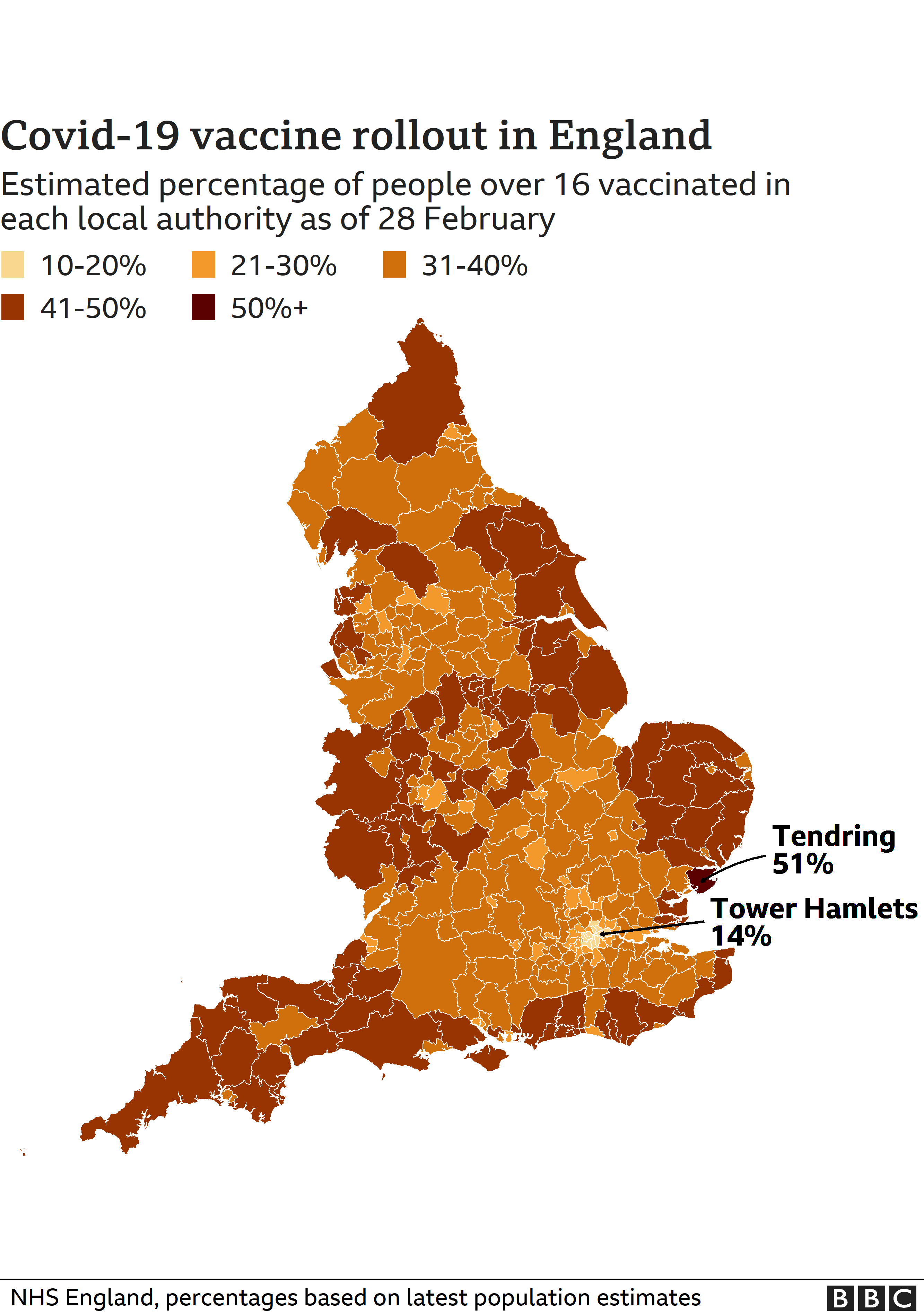
One of the most interesting parts of the inquiry's findings focuses on health inequalities. The rollout was great for the majority, but it struggled to reach specific communities. Trust was a huge issue. In some areas, uptake was significantly lower among ethnic minority groups and deprived populations.
The "extraordinary feat" label applies to the national average, but if you look at the granular level, there were failures. The inquiry suggests that central government was too slow to hand over power to local leaders. When they finally did—letting local imams, community leaders, and council members lead the outreach—the numbers improved. It’s a classic British mistake. Whitehall thinks it knows best, but the guy running the local community center usually has more influence than a Cabinet minister.
The numbers that actually matter
Let's look at the hard data. By the time the inquiry started looking at the first phase of the rollout, the UK had administered over 150 million doses.
- Over 90% of the population over age 12 had received at least one dose by early 2022.
- The speed of the UK's first-dose strategy—delaying the second dose to get more people baseline protection—was estimated to have prevented thousands of additional deaths.
- The AstraZeneca vaccine was provided "at cost" during the pandemic, a massive win for global health equity that started in a UK lab.
These aren't just statistics. They represent grandfathers who got to meet their grandkids and businesses that didn't go bust because the country could finally reopen.
What happens when the next one hits
The inquiry isn't just about looking back. It's about making sure we don't screw up next time. The big takeaway is that we can't let the lessons of the Vaccine Taskforce die. There’s a risk that the civil service will slide back into its old, slow ways of doing things.
We need to keep the "mission-based" approach. That means identifying a massive problem and giving a specific team the budget and the legal authority to solve it without five layers of committees. The inquiry suggests that the UK's pandemic preparedness had been "leveled down" in the years leading up to 2020 due to austerity and a focus on flu rather than coronaviruses. We won't get that excuse next time.
The vaccine rollout proved that Britain can still do big things. It showed that when you combine world-leading science with a clear goal and enough cash, you get results that look like magic. But magic is just science and hard work combined. We shouldn't need a global catastrophe to make the government work this well.
If you want to understand the full scope, you should look at the specific recommendations regarding the "100 Days Mission." This is a global goal to have vaccines ready for any new threat within 100 days. The UK is a lead partner in this, but it requires constant funding for labs and manufacturing sites. If we let those facilities gather dust, the "extraordinary feat" of 2021 will just be a fluke in the history books.
The real work starts with maintaining the infrastructure we built in a panic. We have the blueprint now. We know that skipping the queues and taking big risks works. Don't let the bean-counters convince you otherwise. The next pandemic isn't a matter of "if," and the UK's ability to repeat this success depends entirely on whether we keep the Vaccine Taskforce spirit alive in peacetime.
Check your local health records and ensure your own vaccinations are up to date. Support the funding of life sciences. Demand that the government keeps the "mission" mindset for other huge challenges like climate change or social care. We've seen what's possible when the brakes are taken off.