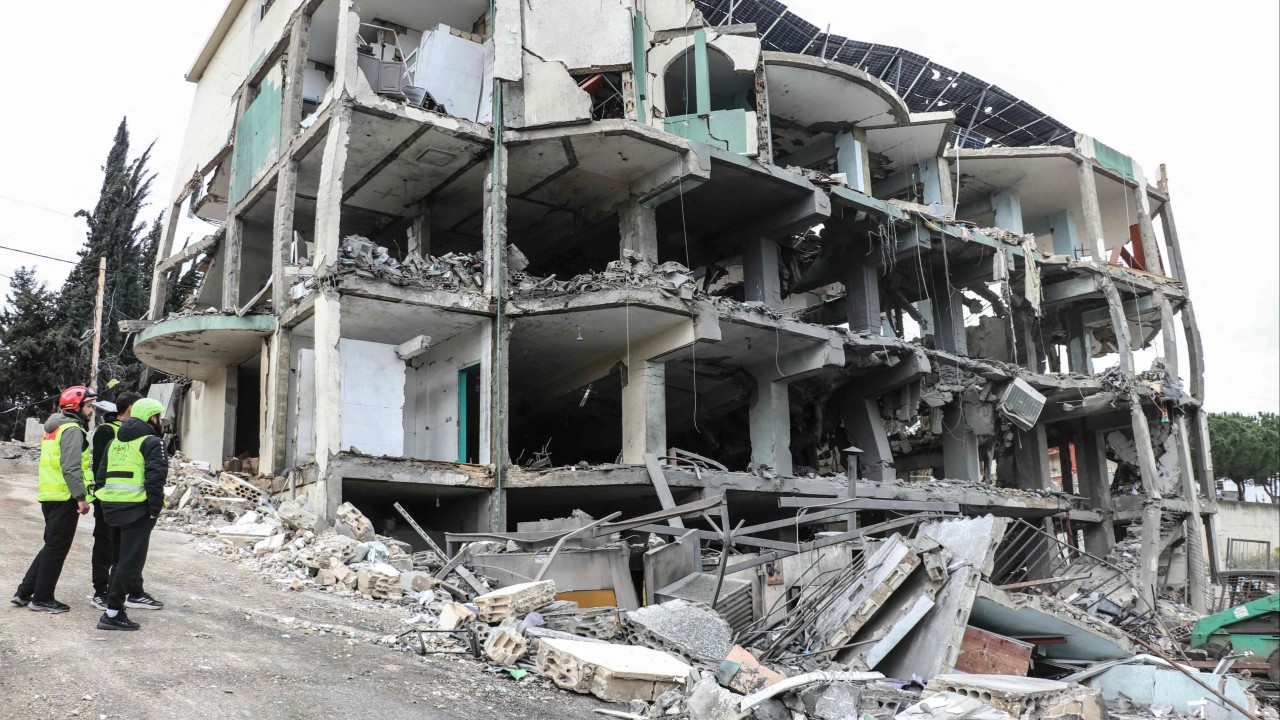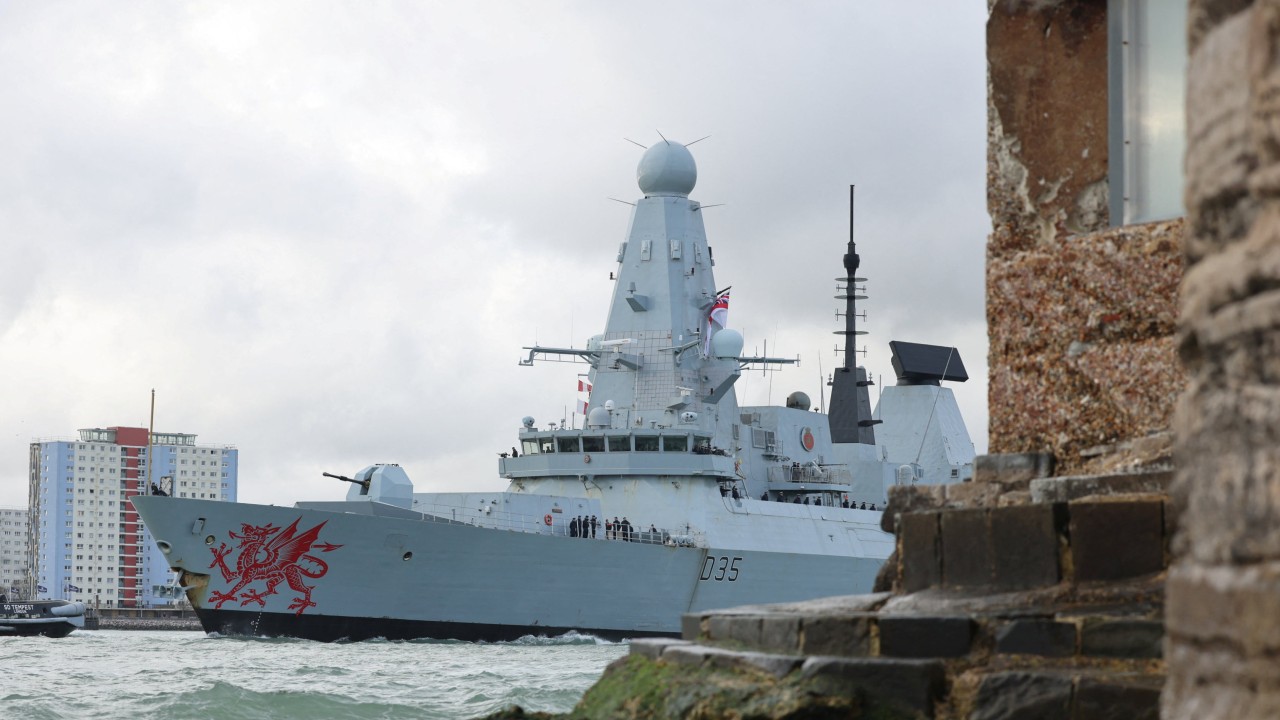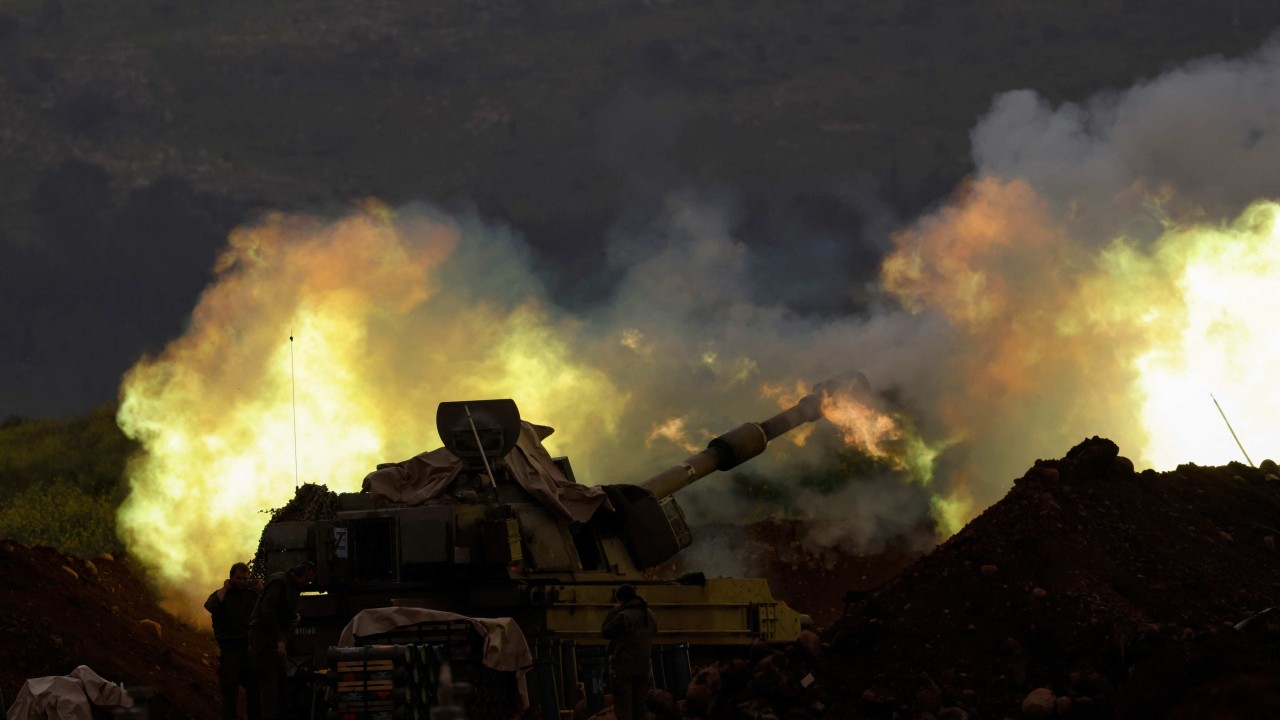
The hand-wringing in Ankara has reached a fever pitch. Turkey’s warning that Israel is orchestrating a "new genocide" in Lebanon under the cover of an Iranian war is a masterclass in geopolitical projection. It is a narrative built on a fundamental misunderstanding of how power functions in the Levant. If you believe the headlines, you are falling for a lazy consensus that treats regional powers like predictable caricatures.
The reality is far more clinical and far more dangerous.
We are told that Lebanon is a victim of a "pretext." This implies that Israel needs a reason to engage with Hezbollah. It assumes that the current escalation is a choice of convenience rather than a strategic inevitability. I have spent years watching these borders. I have seen the build-up of precision-guided munitions and the tunneling projects that don't make it into the glossy diplomatic cables. To call this a pretext is to ignore the last twenty years of military reality.
The Myth of the Iranian Pretext
The most common fallacy floating around the UN and Turkish state media is that Israel is "using" the threat of Iran to justify its actions in Lebanon. This gets the math completely backward. Israel isn't looking for an excuse to fight Iran; it is fighting a multi-front war where Lebanon is the primary theater of operations.
Hezbollah is not a separate entity from the Iranian military apparatus. It is the forward-deployed division of the Islamic Revolutionary Guard Corps (IRGC). When Turkey warns of a "pretext," they are suggesting that Lebanon and Iran are two distinct problems that Israel is artificially stitching together. They aren't.
If you want to understand the mechanics of this conflict, you have to look at the Ring of Fire strategy. This isn't a secret. It is a documented Iranian doctrine intended to encircle Israel with high-capacity proxy forces. By dismantling Hezbollah’s infrastructure, Israel isn't "using a pretext"; it is performing a necessary amputation.
The "Genocide" Label as a Diplomatic Shield
The word "genocide" is being thrown around with a recklessness that devalues the term and obscures the tactical reality on the ground. When Turkey uses this language, it isn't making a legal argument. It is deploying a rhetorical shield to protect its own regional interests and its self-appointed role as the "protector" of the Sunni world—even when it means carrying water for a Shia proxy like Hezbollah.
The logic being sold to you is that any high-casualty urban warfare equates to genocide. It ignores the Human Shield Doctrine. In Beirut’s southern suburbs, military assets are not just near civilian infrastructure; they are the infrastructure. I’ve seen the blueprints where missile silos are built into the foundations of apartment blocks.
- Fact: Hezbollah has over 150,000 rockets.
- Fact: A significant percentage of these are stored in residential areas.
- Consequence: Any attempt to neutralize these weapons will result in civilian casualties.
Labeling this "genocide" is a strategic move to prevent Israel from exercising a military solution to a military problem. It is an attempt to force a stalemate through moral outcry when the tactical reality favors the other side.
The Failed Logic of De-escalation
Every diplomat from Paris to Ankara is screaming for "de-escalation." This is the most "lazy consensus" of all. De-escalation in the context of the Israel-Lebanon border means a return to the status quo ante.
Let’s look at what that status quo actually was:
- A defunct UN Resolution 1701 that Hezbollah ignored for eighteen years.
- The displacement of 60,000 Israeli civilians from the north.
- The complete collapse of the Lebanese state's sovereignty to a non-state actor.
When Turkey warns against a new war, they are essentially advocating for the continued slow-motion suicide of the Lebanese state. A "diplomatic solution" that leaves Hezbollah’s arsenal intact is not peace. It is a high-interest loan on a future, much larger catastrophe.
The Anatomy of the Strike
People ask, "Why now?" They assume the timing is political—a distraction for Netanyahu or a play for the American elections.
It’s simpler than that. The technological window is closing. Israel’s intelligence penetration into Hezbollah’s communications—evidenced by the recent kinetic operations involving pagers and radios—represents a "use it or lose it" moment. In the world of high-stakes intelligence, if you have successfully compromised your enemy’s entire command and control structure, you don't wait for a "pretext." You strike before they change their passwords.
The Turkish Double Standard
Ankara’s warnings would carry more weight if they weren't so transparently hypocritical. Turkey has conducted numerous cross-border operations into Syria and Iraq against the PKK and YPG, citing "national security" and "terrorist corridors."
When Turkey shells northern Syria, it’s "counter-terrorism." When Israel targets the most heavily armed non-state actor in the world, it’s "genocide." This isn't about human rights; it’s about regional competition. Turkey wants to lead the anti-Israel bloc to consolidate its influence in the Middle East, even if it means ignoring the fact that Hezbollah’s presence is what actually destroyed Lebanon’s economy and stability.
Why Lebanon Cannot Be Saved by Diplomacy
The hard truth that nobody wants to admit is that Lebanon is no longer a country. It is a host. The Lebanese Armed Forces (LAF) are incapable of disarming Hezbollah. The Lebanese government is a hollow shell.
If you want to prevent a "new genocide," the solution isn't to stop Israel. The solution is to remove the reason for the war: the presence of an Iranian-funded army on a sovereign border. But the international community is too cowardly to demand that. It is much easier to blame Israel for reacting to a threat than it is to address the threat itself.
The Cost of Inaction
What happens if Israel listens to Turkey?
- Hezbollah remains on the border.
- The 60,000 displaced Israelis can never go home.
- Iran continues to use Lebanon as a laboratory for proxy warfare.
- Eventually, a miscalculation leads to a war that makes the current escalation look like a skirmish.
I have seen the cost of "containing" a problem rather than solving it. In 2006, the world forced a ceasefire. That "peace" allowed Hezbollah to grow from a nuisance into a regional power with a larger military than most NATO members. Doing the same thing again isn't "preventing genocide." It’s ensuring a bigger one later.
The Iran-Israel Shadow War is Over
The final misconception to dismantle is the idea that there is an "Iran war" and a "Lebanon war." There is only one war.
The IRGC uses Hezbollah as its primary insurance policy against a strike on its nuclear facilities. Israel knows that if it ever wants to deal with the Iranian nuclear threat, it must first neutralize the "loaded gun" held to its head from Lebanon.
This isn't about a pretext. It’s about the sequence of operations.
To suggest that Israel is "using" Iran as an excuse is to misunderstand the entire architecture of Middle Eastern conflict. Every rocket launched from Lebanon is an Iranian rocket. Every commander killed in Beirut is an Iranian asset. The war is already here. It has been here for years. The only difference is that now, the masks are off.
Stop looking for "pretexts." Start looking at the maps. If you were a sovereign nation with an army of 100,000 religious extremists sitting on your porch, you wouldn't be looking for a pretext either. You’d be looking for a target.
The era of "containment" is dead, and Ankara’s warnings are nothing more than the eulogy for a regional order that no longer exists.
Pick up the rubble or get out of the way.