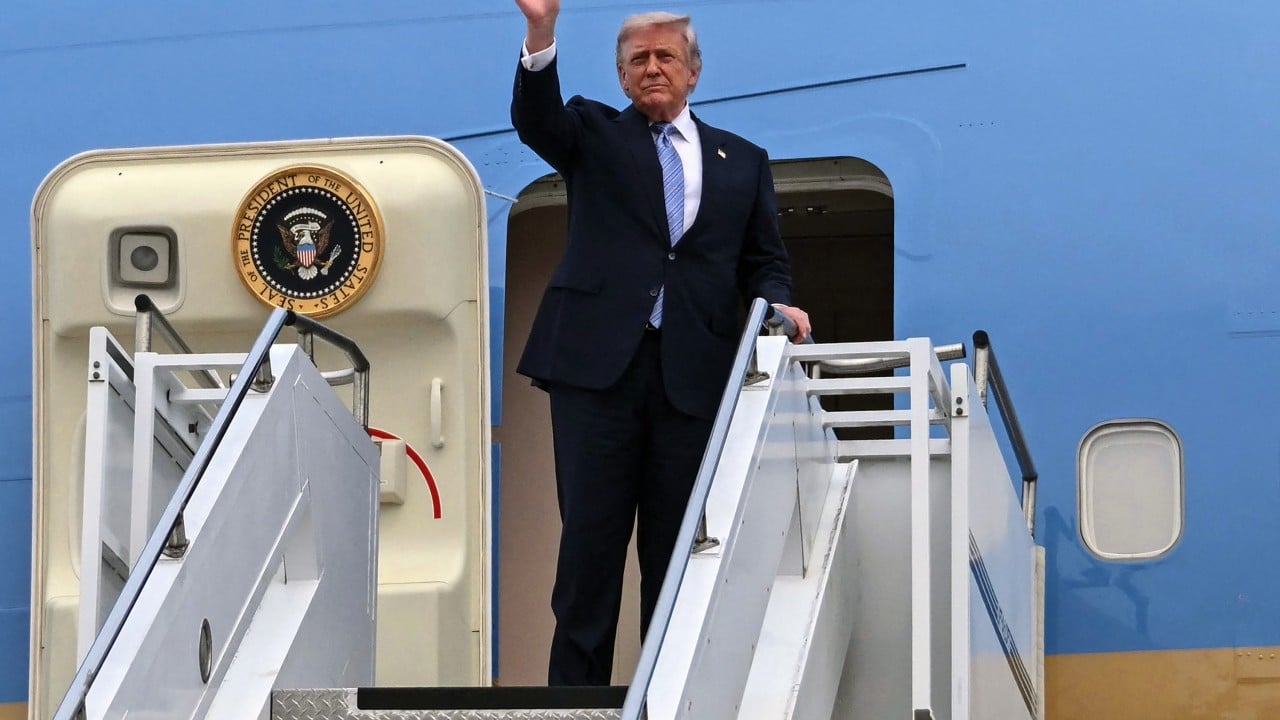
Donald Trump just wrapped up his second major trip to Beijing, and if you were watching the TV feeds, you saw a masterclass in stagecraft. Red carpets, military bands, and enough gold trim to make a casino mogul feel right at home. But once the planes leave the tarmac and the last of the champagne is cleared away, you have to ask a blunt question. What did the United States actually get?
It's 2026, and the world is a mess. We're dealing with a brutal conflict involving Iran that has the Strait of Hormuz in a chokehold and gas prices hitting the ceiling. Trump went to China hoping to leverage his "great chemistry" with Xi Jinping to fix it. He left with a "framework for strategic stability" and some vague promises to buy more cows and planes.
If this feels like a rerun, that's because it is. We've seen this movie before. In 2017, the "state visit plus" was the peak of diplomatic theater. Now, the stakes are higher, the rhetoric is sharper, and the actual results are just as thin.
The art of the recycled deal
Trump's team spent weeks hyping up this trip as a rebalancing of the scales. They talked about massive purchasing commitments that would finally gut the trade deficit. Instead, we got a deal for 200 Boeing aircraft. On its own, that sounds huge. But industry insiders know the truth. That number is actually lower than the discussions leading up to the trip, which were hovering around 500 jets.
It’s even more embarrassing when you compare it to his 2017 visit. Back then, he secured a 300-plane commitment. We’re literally moving backward. China isn't using these massive purchase orders to play nice anymore. They know they have the leverage.
The much-touted agricultural "bonanza" is another shell game. Jamieson Greer, the U.S. Trade Representative, pointed to billions in future farm buys. But look at the fine print. Treasury Secretary Scott Bessent had to admit that many of these "new" orders for soybeans were actually already covered under agreements signed back in October. You can’t sell the same cow twice and call it growth.
I’ve seen this play out for years. Remember those "historic" investments in West Virginia shale gas from a decade ago? They never happened. They were Memorandums of Understanding (MoUs) that were essentially worth the paper they weren't even printed on. These headline-grabbing numbers are designed for the evening news, not the ledger books.
Playing second fiddle in the Forbidden City
Xi Jinping is a pro at managing Trump. He knows that if you give the man a parade and a seat of honor, you can hold the line on the things that actually matter. While Trump was toasting with a champagne flute—a rare move for a teetotaler—Xi was giving up zero ground on the structural issues that are actually killing American competitiveness.
Think about what wasn't solved:
- Forced technology transfer: Still happening.
- Intellectual property theft: China hasn't blinked.
- The Iran crisis: Trump claimed he and Xi "feel very similar" about wanting the war to end and the straits open. Xi said exactly nothing in response.
The power dynamic has shifted since 2017. Back then, Trump brought 30 CEOs and walked away with $250 billion in signed deals (even if many were just fluff). This time, the delegation was smaller, and the Chinese side was far more skeptical. They aren't trying to outdo the "state visit plus" anymore because they don't have to. They see a U.S. president with bruised approval ratings and a messy war on his hands. They’re playing for time.
Why the optics won’t save the economy
It’s easy to get distracted by the presence of Elon Musk and Jensen Huang on the trip. Having the titans of tech and AI on the plane makes it look like the U.S. is negotiating from a position of strength. But let’s be real. These companies are there to protect their own supply chains and access to Chinese markets. They aren't there to carry out the White House’s trade policy.
The reality is that China has spent the last nine years sprinting ahead in electric vehicles, robotics, and AI. They don't need our tech as much as they used to, and they certainly don't fear our tariffs the same way. When the U.S. puts pressure on Chinese refineries over Iranian oil, Beijing just shrugs and points to their "strategic partnership" with Tehran.
Trump wants to believe his personal relationship with "the King," as he’s called Xi, can bypass the bureaucracy of international relations. It doesn't work that way. Personal chemistry is great for avoiding a fistfight, but it doesn't lower the price of a gallon of milk in Ohio or reopen a closed factory in Pennsylvania.
Where do we go from here
If you're waiting for a sudden shift in the trade balance or a diplomatic breakthrough that lowers gas prices tomorrow, don't hold your breath. This trip was about cooling the temperature, not solving the problems. Trump got the photos he needed for the midterms, and Xi got the stability he needs to keep building China's self-sufficiency.
So, what should you actually watch for?
- Watch the MoUs: If those Boeing and agriculture orders don't turn into firm, legally binding contracts within 90 days, they’re ghosts.
- Monitor the Strait of Hormuz: If China doesn't actually use its influence in Iran to stop the attacks, Trump’s claim of "strategic stability" is a fantasy.
- Check the tariff deadlines: There’s a trade truce expiring later this year. If there's no extension soon, we’re right back to a trade war.
Stop looking at the red carpet. Look at the data. The pageantry was world-class, but the policy was a footnote.