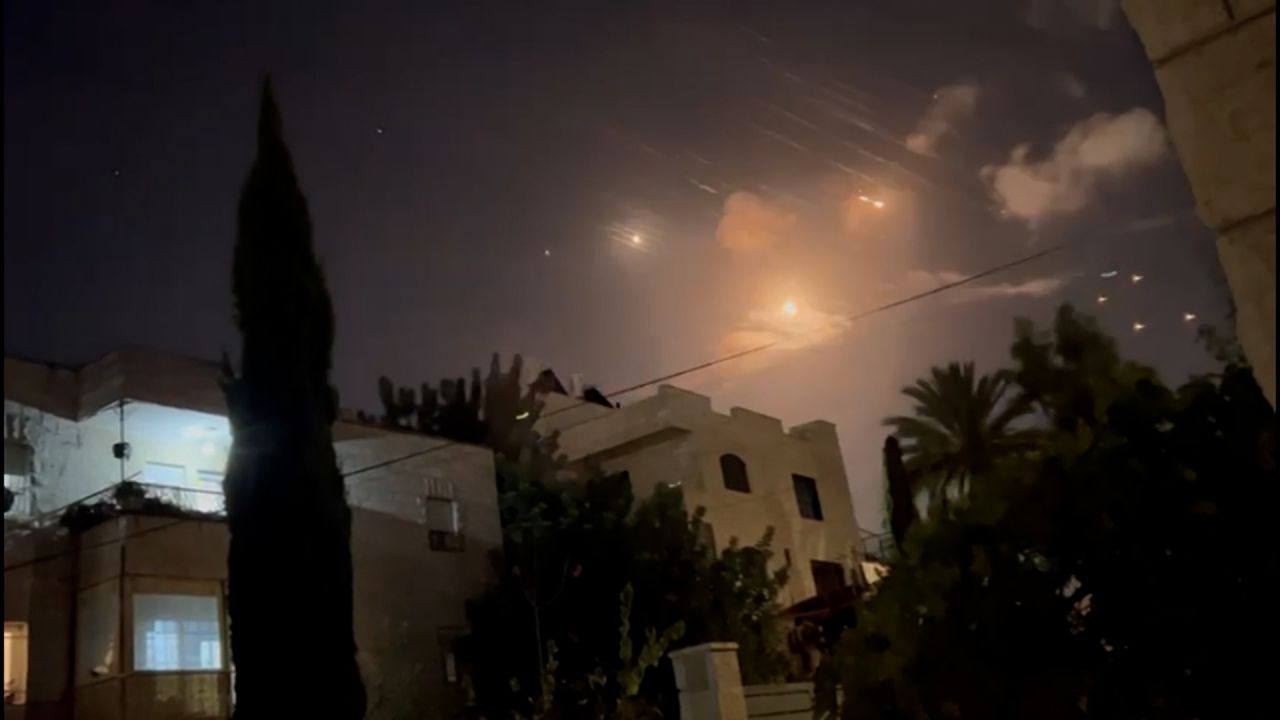
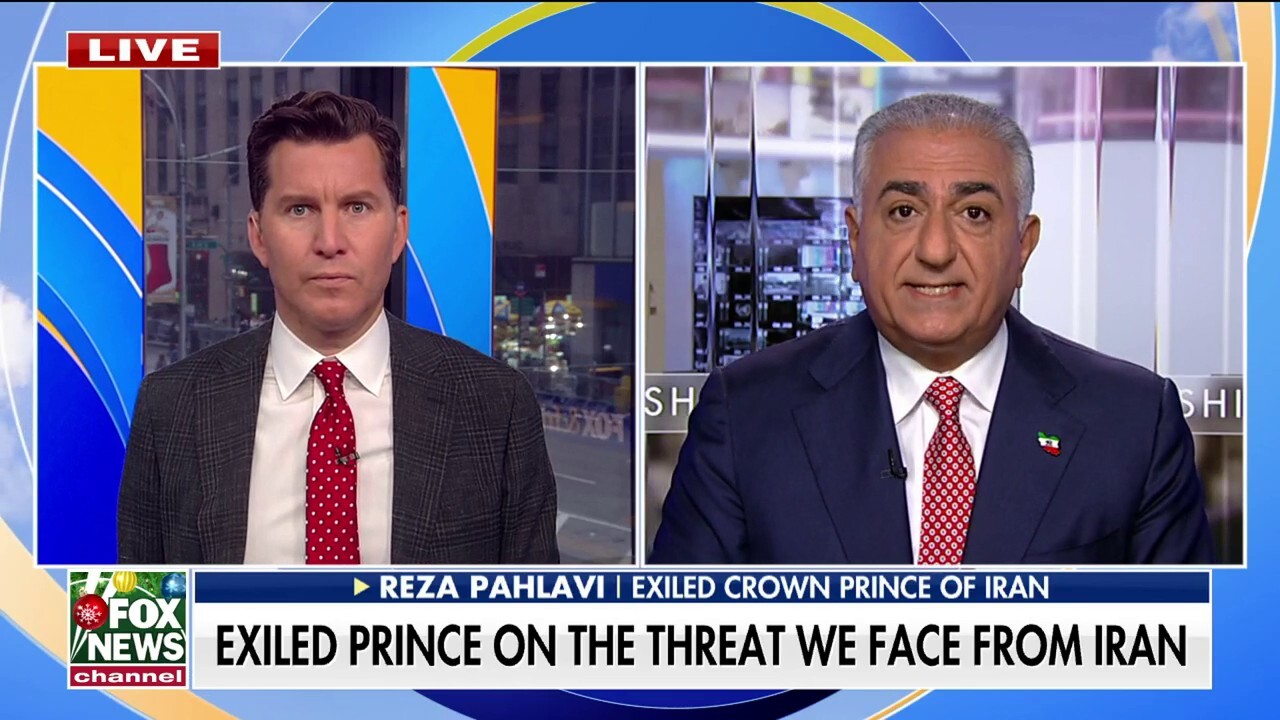
The global energy market is currently holding its breath. For the last four days, the Strait of Hormuz—the 21-mile-wide artery through which 20% of the world’s oil and LNG flows—has been effectively paralyzed. Iran’s Revolutionary Guard is broadcasting warnings to every ship in sight, insurance companies are fleeing the region, and over 150 tankers are sitting idle in the Gulf of Oman, afraid to move.
President Donald Trump just flipped the script. On Tuesday, he announced a massive two-pronged strategy to break this "energy chokehold." First, he's ordering the U.S. Navy to prepare for direct escort missions of commercial tankers. Second, he's turning a federal agency, the International Development Finance Corporation (DFC), into a cut-rate insurance provider for the high seas. Meanwhile, you can find similar developments here: The Cold Truth About Russias Crumbling Power Grid.
If you're wondering why your gas prices just spiked or why this matters for your retirement account, here’s the reality: this isn't just about ships. It’s a high-stakes bet that American military and financial muscle can force global trade back to life while a hot war with Iran rages in the background.
The Problem With a "De Facto" Blockade
Technically, Iran hasn't legally closed the Strait of Hormuz. Doing so is an act of war they aren't quite ready to formalize. Instead, they’ve created a "de facto" blockade. By harassing ships and striking a few tankers with drones, they’ve made the area uninsurable. To understand the full picture, check out the excellent analysis by Reuters.
When a private insurer sees a 1% "war risk" premium—meaning it costs $1.34 million just to cover one voyage of a Very Large Crude Carrier (VLCC)—most companies simply stop sailing. That's why traffic dropped to near zero this week.
Trump’s move to use the DFC is a clever, if aggressive, workaround. The DFC usually helps build power plants in emerging markets. Now, it's being repurposed to offer "political risk insurance" at "very reasonable prices." Essentially, the U.S. government is telling shipping companies: "If the private market won't cover you, we will. Get those tankers moving."
Can the U.S. Navy Actually Protect Every Ship?
This is where things get complicated. The U.S. Navy’s Fifth Fleet, based in Bahrain, is already stretched thin. Recent satellite imagery shows most of these ships are already at sea, likely repositioning to avoid Iranian missile strikes on their home ports.
Escorting a tanker isn't as simple as driving next to it. The Strait of Hormuz is shallow and narrow. Ships have to travel at 10–12 knots through lanes only two nautical miles wide. This makes them sitting ducks for:
- Anti-ship cruise missiles hidden in the rugged Iranian coastline.
- Swarm attacks from hundreds of small, fast IRGC boats.
- Sea mines that can be dropped silently at night.
- Electronic interference (GPS spoofing) that makes navigation a nightmare.
Military analysts from firms like SSY have been skeptical. They’ve pointed out that the Navy may not have enough destroyers to protect the sheer volume of ships—roughly 20 million barrels of oil per day—that need to pass through. During "Operation Prosperity Guardian" in the Red Sea, even with dozens of drones shot down, commercial traffic didn't fully recover because the threat remained "too high."
The Asian Energy Crisis
While the U.S. is leading the military charge, we aren't the ones who need this oil the most. Most of the crude passing through Hormuz is destined for Asia.
- China takes about 5.4 million barrels a day.
- India relies on this route for 60% of its oil.
- Japan and South Korea are even more vulnerable, getting 70-80% of their energy through this tiny gap.
By stepping in, Trump is effectively subsidizing and protecting the energy security of America’s biggest economic rivals. It’s a weird paradox: the U.S. is domestic-energy independent enough that it only brings about 400,000 barrels a day through the Strait, yet it's the only power capable of keeping the global price of oil from hitting $150 a barrel.
What This Means for Your Wallet
The immediate impact of the "Trump Escort" announcement was a slight dip in oil prices. Brent crude, which had jumped 10% to over $82, cooled off briefly. But traders are skeptical.
If the Navy starts sinking Iranian boats to clear the way, the conflict escalates. If they don't, and a tanker gets hit while under U.S. protection, the "insurance" doesn't matter—the crews won't sail. We’re in a period of extreme volatility. Gasoline prices in the U.S. are already at five-year highs for the month of March.
What to Watch Next
The success of this plan hinges on two things happening in the next 48 hours.
First, watch the "dark transits." Currently, a few Greek and Chinese tankers are trying to sneak through at night with their transponders turned off. If they get through safely, others will follow. If they get hit, the "escort" becomes mandatory, not optional.
Second, look for the DFC’s official pricing. If the government insurance is significantly cheaper than the private market, it will act as a massive "green light" for the shipping industry.
The U.S. is essentially saying the era of "freedom of navigation" being a polite suggestion is over. It's now backed by the full faith, credit, and firepower of the United States. Whether that's enough to stop a determined Iranian blockade remains the biggest question of 2026.
If you’re a business owner or an investor, keep a close eye on the "Weekly Petroleum Status Report" from the EIA. It’ll tell you if the oil is actually reaching the refineries or if the U.S. Navy's plan is just a bold bluff.