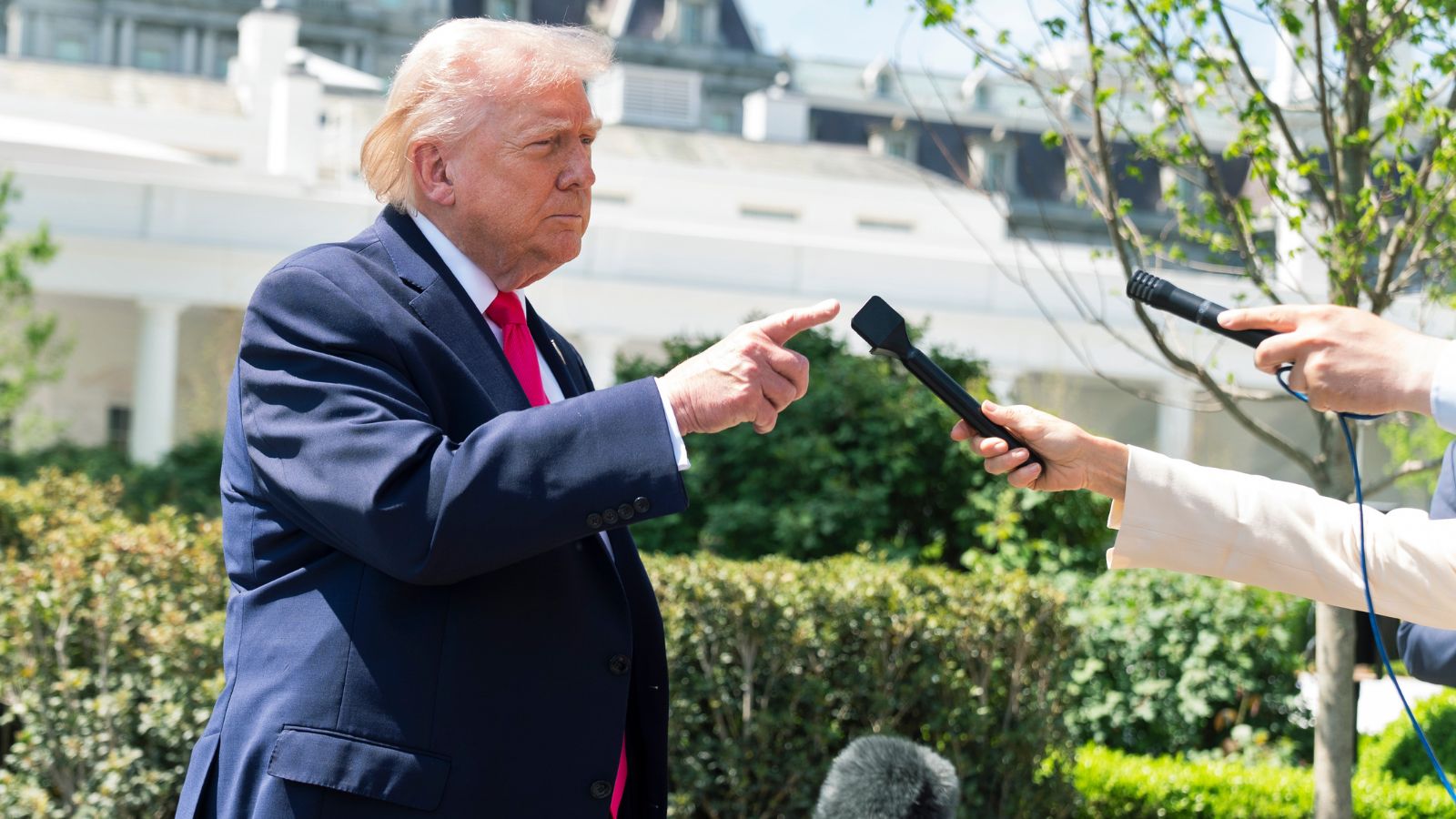
Donald Trump is doing something no sitting U.S. President has done in twenty years. He's eyeing a trip to Islamabad. While leaving the White House for a Las Vegas campaign swing, he dropped a bombshell that the U.S. and Iran are "very close" to a peace deal. If that signature happens in Pakistan, Trump says he's going.
This isn't just about a photo op. It’s a massive pivot in regional diplomacy that sees Pakistan—long a complicated ally—stepping into the role of the ultimate power broker. Trump didn't hold back his praise for Prime Minister Shehbaz Sharif and Army Chief Asim Munir, calling them "extraordinary men" who’ve been "great" in bridging the gap between Washington and Tehran.
The nuclear dust and the 20 year promise
The meat of this potential deal sounds like classic Trump negotiation. He claims Iran has agreed to hand over its enriched uranium—or what he calls "the nuclear dust." According to Trump, this isn't just a temporary freeze. He’s talking about a "very powerful statement" where Iran pledges not to have nuclear weapons for at least the next 20 years.
Honestly, the details are still hazy. Iran hasn't publicly confirmed these concessions yet. But Trump is already selling the benefits to the American public. He's promising that a signed deal means the Strait of Hormuz opens up, oil flows freely, and gas prices at home plummet. It’s a domestic economic play wrapped in a foreign policy victory.
Why Islamabad is the chosen ground
You might wonder why Pakistan? The country has been walking a tightrope. It shares a border with Iran and maintains a deep, if sometimes rocky, security partnership with the U.S. Last week, Vice President JD Vance led a delegation to Islamabad that didn't quite cross the finish line, but it laid the groundwork.
Pakistan’s military leadership, specifically Field Marshal Asim Munir, has been the quiet force here. Trump seems to trust the Pakistani military's ability to "get things done" more than traditional diplomatic channels. By praising the Pakistani leadership so publicly, Trump is essentially rewarding them for their mediation while putting pressure on Tehran to show up for the next round of talks.
The stakes of the expiring ceasefire
There’s a ticking clock. The current two-week ceasefire is set to expire next week. Trump says he "isn't sure" it needs to be extended because the deal is so close. That’s a high-stakes gamble. If the talks in Islamabad don't happen or fall apart, the bombing could resume.
He’s using a "carrot and stick" approach that’s become his trademark. The carrot is the lifting of the blockade and the "free oil" narrative; the stick is the threat of resumed strikes if Iran doesn't hand over that "nuclear dust."
What to watch for next
- The Weekend Meeting: Look for news of U.S. and Iranian delegations landing back in Islamabad.
- Oil Price Fluctuations: Markets are already reacting to the "very close" rhetoric.
- The Islamabad Logistics: If Secret Service starts hitting the ground in Pakistan, you’ll know the deal is real.
If this pulls through, it’s a total shift in how the U.S. handles the Middle East. It sidelines the usual European mediators and puts a South Asian nuclear power right at the center of the world's most dangerous standoff.
Keep your eyes on the fuel pumps. If Trump is right about this deal being "very close," your next trip to the gas station might get a lot cheaper.