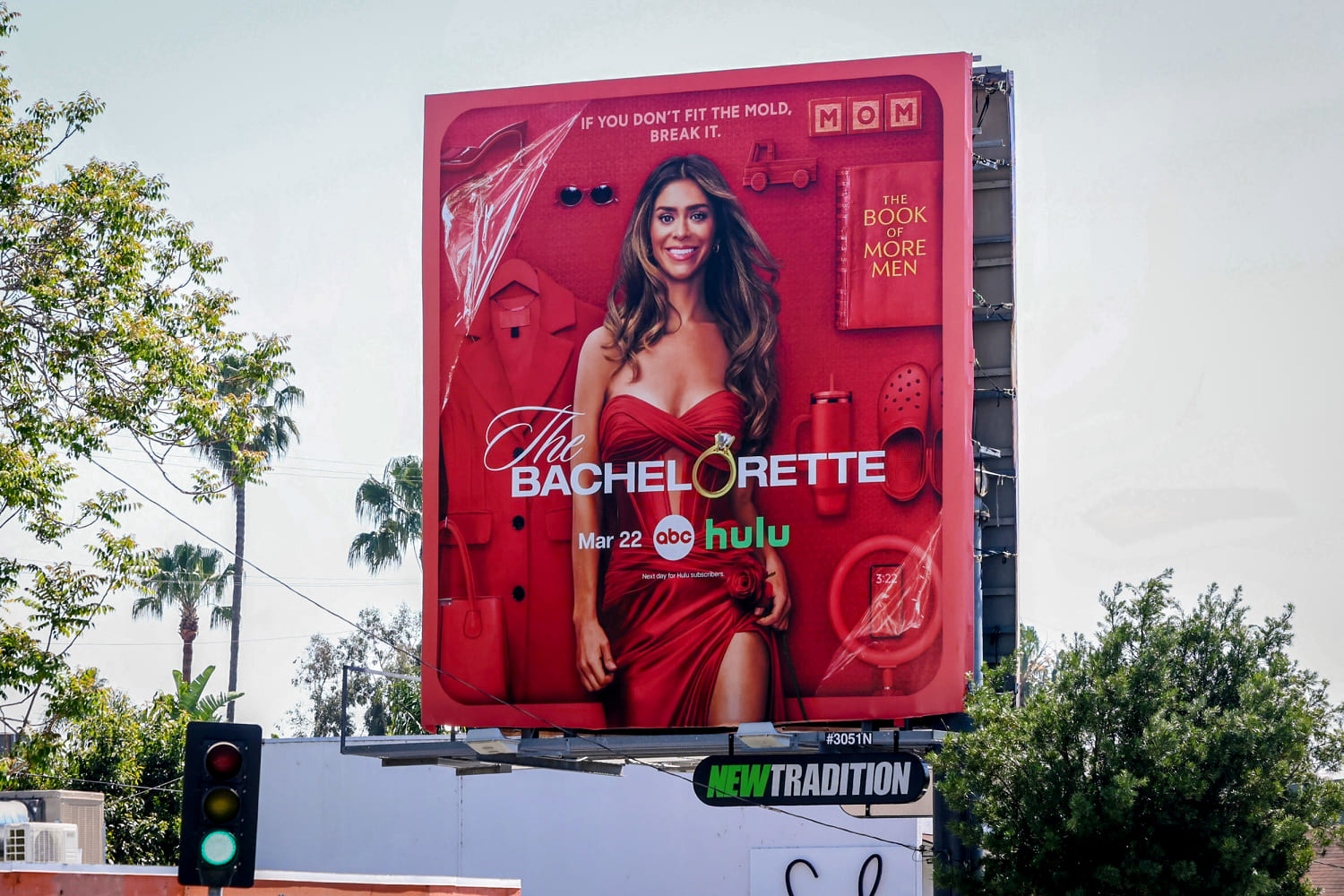
The cancellation of Taylor Frankie Paul’s season of The Bachelorette is not just a scheduling hiccup or a minor casting pivot. It is a full-blown structural collapse. For weeks, the halls of ABC’s Burbank headquarters have been thick with the kind of tension usually reserved for a federal indictment. While the network remains officially tight-lipped, the reality is clear: the most controversial casting gamble in the history of the franchise backfired so spectacularly that the only option was to burn the tapes.
ABC initially bet that Taylor Frankie Paul—the face of the "Momtok" soft-swinging scandal that gripped TikTok in 2022—could bridge the gap between dying linear television and the chaotic energy of social media. They were wrong. The collision of Disney’s brand safety requirements and Paul’s unpredictable legal and personal baggage created a liability that even the most seasoned producers couldn't manage.
The Casting Gamble That Toppled a Legacy
For decades, The Bachelorette relied on a predictable formula of pageant queens and former athletes looking for a second act. It was safe. It was boring. But as ratings dwindled, the network felt forced to look toward the dark corners of viral notoriety. Taylor Frankie Paul was supposed to be the shot of adrenaline the series needed.
By selecting Paul, the network wasn't just looking for a lead; they were looking for a controversy. However, there is a distinct difference between "reality TV drama" and "unmitigated risk." Sources close to the production suggest that the vetting process failed to account for the sheer volume of blowback from the franchise’s traditional conservative base. This wasn't just about a woman with a past. It was about a woman whose entire brand was built on the subversion of the very "traditional values" The Bachelor has spent twenty years monetizing.
The internal fallout was immediate. Advertisers who had been with the show since the early 2000s began asking uncomfortable questions about morality clauses. The core audience, which still skews heavily toward middle-American demographics, wasn't ready to embrace a lead whose claim to fame involved domestic violence charges and a high-profile "swinging" scandal.
When Influencer Culture Hits the Wall of Corporate Reality
The problem with casting a "mega-influencer" like Paul is the loss of narrative control. In the old days, producers owned the contestants. They controlled their phones, their access to the outside world, and their public image. Taylor Frankie Paul, however, exists in a permanent state of self-documentation.
The Liability of the Live Feed
Producers found themselves in a constant battle with Paul’s instinct to broadcast. Even under strict NDAs, the culture of "soft-launching" and "clout-chasing" that defines TikTok does not mesh with the high-security environment of a closed set.
- Leakage: Information about the men cast for the season hit the internet before filming even hit its stride.
- Legal Clouds: The lingering shadows of Paul’s legal issues in Utah created a logistical nightmare for a production that requires international travel and rigorous background checks.
- Brand Friction: Disney, which owns ABC, has a threshold for scandal. Paul’s history didn't just push that threshold; it shattered it.
The network realized too late that they weren't producing a show about a woman finding love. They were producing a show about a woman navigating the wreckage of her own viral fame. That is a documentary, not a romantic fantasy. When the footage started coming in, it wasn't the aspirational content the brand requires. It was gritty, it was messy, and it was, frankly, unairable for a primetime slot.
The Men Who Walked Away
Perhaps the most overlooked factor in this collapse was the cast of suitors. Usually, being on The Bachelorette is a guaranteed ticket to a career in sponsored Instagram posts for gummy vitamins. But for the men cast for Paul’s season, the math was different.
Several high-quality candidates reportedly dropped out once they realized who the lead was. These weren't just guys looking for fame; they were professionals who realized that being associated with the Taylor Frankie Paul circus could be a career-ender. The remaining pool of men was, by several accounts, "the most toxic group ever assembled." Instead of the usual romantic competition, the set became a hotbed of influencers trying to out-clout each other.
The chemistry was non-existent. Without a genuine connection to anchor the season, the production was left with nothing but bickering and manufactured drama that felt hollow even by reality TV standards.
The Financial Impact of a Shelved Season
Scrapping a season isn't cheap. We are talking about tens of millions of dollars in sunk costs.
- Location Fees: Deposits on villas and international destinations are rarely refundable.
- Crew Payroll: Hundreds of people were on the hook for a full season of work.
- Ad Revenue: The hole in the schedule leaves a massive vacuum for the network’s sales team to fill.
To pull the plug this late in the game indicates that the "hidden" problems were much worse than the public ones. If the footage was even remotely salvageable, ABC would have aired it. The decision to bury the season suggests that something happened during filming—either legally, ethically, or narratively—that made the product radioactive.
A Franchise in Identity Crisis
This isn't just about one woman from Utah. This is about the death of the "journey" as we know it. The Bachelor franchise is currently suffering from a severe identity crisis. It wants to be the prestige dating show it was in 2005, but it feels the pressure to compete with the lawless energy of Netflix’s Love is Blind or Too Hot to Handle.
By trying to chase the TikTok audience, they alienated their loyalists. By trying to keep the show "Disney-clean" while casting a "messy-influencer," they ended up with a product that satisfied nobody. You cannot have it both ways. You cannot market "happily ever after" while casting someone whose entire platform is built on the destruction of that very concept.
The industry is watching closely. This failure marks the end of the "Influencer-as-Lead" experiment. Moving forward, expect a hard pivot back to "nobodies"—teachers, nurses, and small-town contractors who don't have a million followers and a lawyer on speed dial.
The Silence From the Paul Camp
Taylor Frankie Paul has been uncharacteristically quiet. For someone who has built a career on oversharing, her silence is the loudest thing about this entire ordeal. It suggests a legal settlement or a massive "kill fee" accompanied by a non-disparagement agreement that would make a CIA operative blush.
The internet wants answers, but the truth is buried under layers of corporate litigation. What we do know is that the footage exists somewhere on a server in Burbank. It is the "lost season," a cautionary tale for any producer who thinks that viral fame translates to television gold.
The era of the "messy lead" is over before it truly began. ABC learned a $30 million lesson: you can't build a house of cards on a foundation of TikTok drama.
Find out if your favorite reality show has an ironclad morality clause in its contract.