The foreign policy establishment is obsessed with a ghost. For decades, the "Strait of Hormuz closure" has been the ultimate geopolitical boogeyman, a narrative fueled by lazy journalism and think-tankers who haven't looked at a shipping manifest since 1995. The premise is always the same: Iran flips a switch, 20% of the world’s oil vanishes, and the global economy collapses into a Mad Max wasteland.
It is a fantasy. It is the maritime equivalent of a bluff that only works because the person across the table is too terrified to look at the cards.
The narrative suggests that by withdrawing from the JCPOA or applying "maximum pressure," the U.S. handed Iran a "deadlier weapon than a nuke." This is fundamentally wrong. Iran didn't gain a weapon; they gained a talking point. The reality of 2026 is that the Strait of Hormuz is no longer the throat of the global economy. It’s barely a hangnail.
The Myth of the Chokepoint
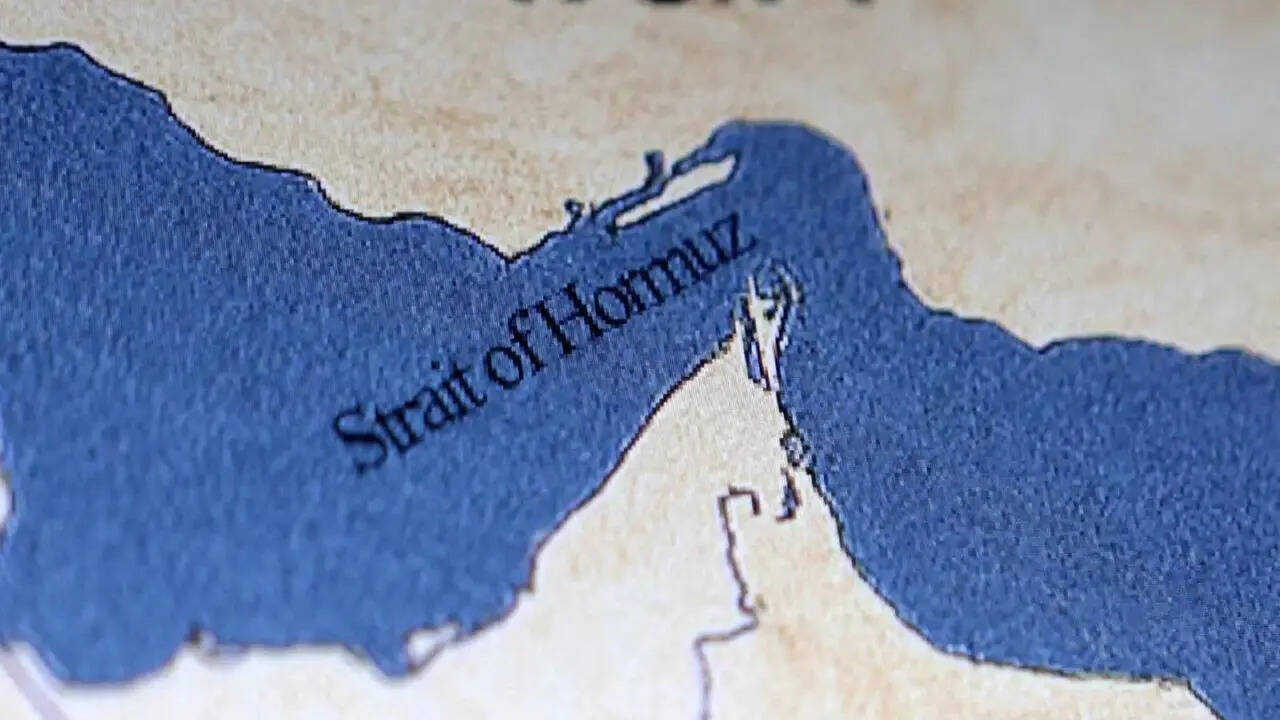
Geographers love the word "chokepoint." It sounds visceral. It implies a single point of failure. In reality, the Strait of Hormuz is 21 miles wide at its narrowest point. That is not a "strait" in the sense of a door you can lock; it is a massive stretch of open water.
To actually "close" the strait, Iran would need to do more than just harass a few tankers with speedboats. They would have to maintain a total, persistent blockade against the combined naval power of the United States, the UK, and eventually, a very pissed-off China.
Blockades are not passive. They are active acts of war that require constant replenishment and air superiority. Iran has neither. If they sink a VLCC (Very Large Crude Carrier) in the shipping lanes, they don't block the path—they create a navigation hazard that ships simply sail around. The Persian Gulf isn't a bathtub; it's an ocean.
Why Iran Will Never Pull the Trigger
The biggest lie in the "Hormuz is a weapon" narrative is the idea that Iran can use it without committing national suicide.
Economic analysts often ignore where Iran gets its money. Even under heavy sanctions, Iran relies on the sale of petroleum products and the import of refined goods. If the Strait closes, Iran is the first country to starve. You cannot blockade your neighbor’s front door when you share the same hallway.
Furthermore, 70% of the oil flowing through that strait is headed to Asia—specifically China, India, Japan, and South Korea. If Iran shuts down the flow of energy to Beijing, they lose their only remaining superpower lifeline. The idea that Tehran would cripple the Chinese economy to spite the Americans is a misunderstanding of basic survival instincts.
The Shale Revolution Killed the Boogeyman
The 1970s called; they want their energy crisis back. The reason the Strait of Hormuz mattered so much in the 20th century was the lack of redundancy. That world is dead.
Today, the United States is the largest producer of oil and gas on the planet. While oil is a global commodity, the security of that supply is no longer dependent on the whims of a Middle Eastern coastal battery.
- Strategic Pipelines: Saudi Arabia and the UAE haven't been sitting idle. The East-West Pipeline (Petroline) in Saudi Arabia can move 5 million barrels per day directly to the Red Sea, bypassing Hormuz entirely. The Abu Dhabi Crude Oil Pipeline (ADCOP) does the same for the UAE, dumping 1.5 million barrels per day into the Gulf of Oman.
- Global Inventory: In 2026, the world has a massive surplus of storage capacity. A temporary disruption causes a price spike—which hedge funds love—but it doesn't cause a physical shortage that stops cars in Ohio.
- The Rise of Renewables and EV Baselines: Every year, the "intensity" of oil in the global GDP drops. We are becoming more efficient at generating wealth without burning a gallon of Brent Crude.
The "Nuke" Comparison is Intellectual Malpractice
Comparing a maritime harassment capability to a nuclear weapon is the kind of hyperbole that makes serious analysts cringe. A nuclear weapon is a strategic deterrent that changes the physics of diplomacy. A naval skirmish in the Gulf is a tactical nuisance.
By framing the Strait as a "weapon," the previous administration's critics essentially gave Iran a psychological victory they didn't earn. If you tell a bully that his stick is actually a lightsaber, don't be surprised when he starts waving it around.
The U.S. didn't "give" Iran this weapon. The media gave it to them by pretending the 1973 oil embargo is a repeatable event.
The Real Threat is "Gray Zone" Friction, Not a Blockade
If you want to worry about something, worry about the "Gray Zone." This is where Iran actually operates.
Instead of a "deadly weapon," Iran uses the Strait for low-level friction:
- Seizing a tanker under the guise of "environmental violations."
- Limp-et mines that cause just enough damage to spike insurance premiums.
- Drone harassment that forces the Navy to stay on high alert.
These aren't moves designed to win a war; they are moves designed to grab headlines and force a seat at the negotiating table. It’s theatrical. It’s a performance. And it’s one we keep falling for.
The "Maximum Pressure" campaign didn't fail because it made Hormuz dangerous. It failed because it assumed the Iranian regime cared more about their economy than their ideological survival.
Stop Asking "What if the Strait Closes?"
The question itself is flawed. It’s like asking, "What if the moon falls into the ocean?"
The physics of modern trade and the reality of naval warfare make a total closure impossible. The logistical reality of Iran’s economy makes it a non-starter. The shift in global energy production makes it a manageable risk rather than an existential threat.
The next time some "expert" warns you about the $200 barrel of oil resulting from a Hormuz blockade, ask them two things:
- How many barrels can the East-West pipeline move today?
- Why would Iran destroy its relationship with China for a 48-hour tactical win against a U.S. destroyer?
They won't have the answers, because they are still reading the 1979 playbook.
We have spent trillions of dollars and thousands of lives obsessed with "securing" a body of water that the market has already largely bypassed. The Strait of Hormuz isn't a weapon. It's a museum of 20th-century fears.
Turn off the panic. The Strait is open, and even if it weren't, the world would keep spinning. Stop letting a regional power with a GDP smaller than Ohio dictate the terms of global security through a bluff we’ve already called.