Emmanuel Macron and Keir Starmer are meeting to discuss "securing" the Strait of Hormuz. It sounds statesmanlike. It sounds necessary. It is, in reality, a performative relic of 1970s energy anxiety that ignores the brutal math of modern naval warfare and the shifting tectonic plates of global trade.
The consensus view—the one being peddled by the Elysee and 10 Downing Street—is that a joint Anglo-French naval presence acts as a "stabilizing force" to prevent Iran from choking the world's oil supply. This narrative is a comfort blanket for politicians who want to pretend they still command the waves.
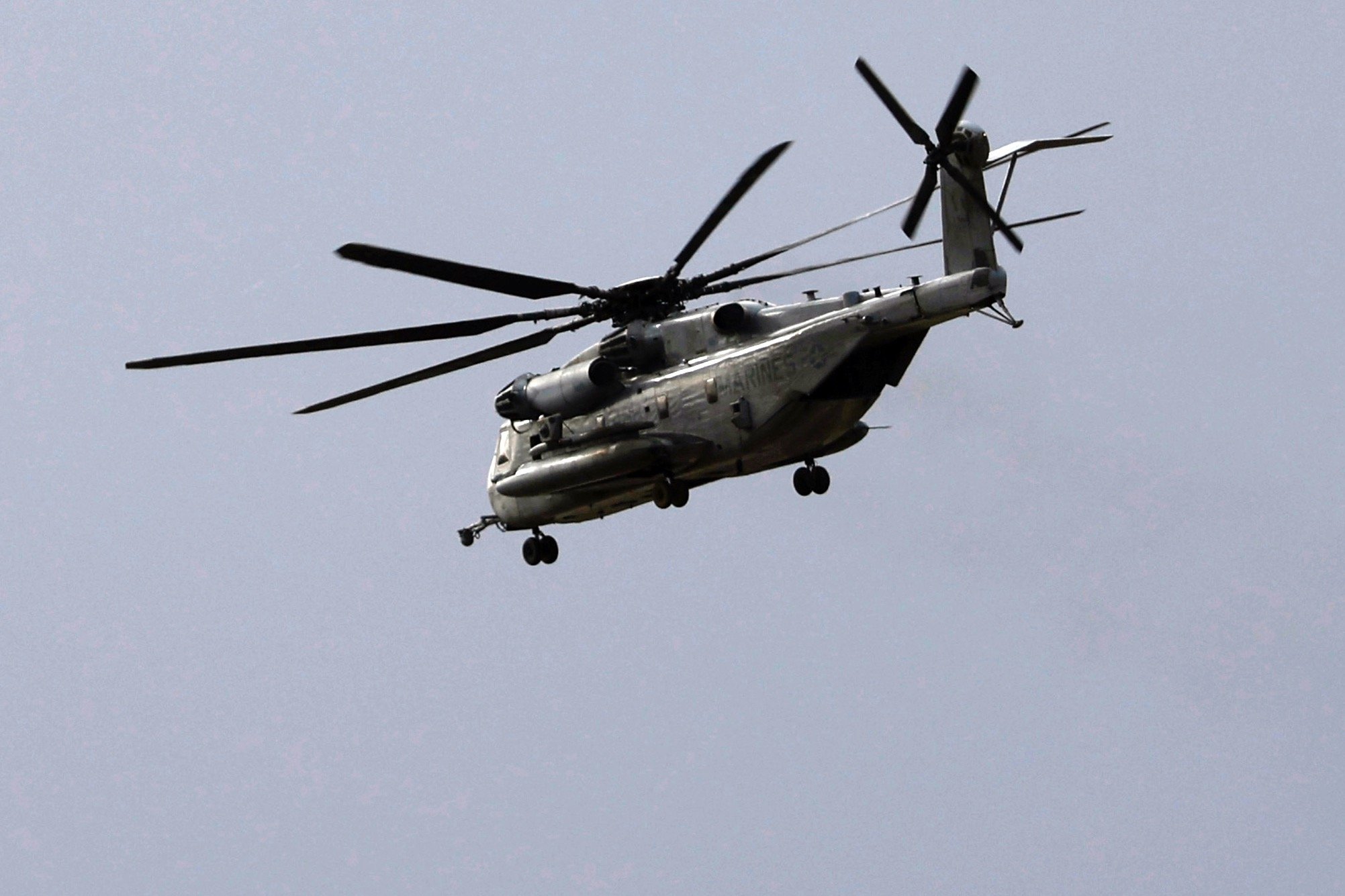
They don't. The era of the "policeman of the Gulf" died the moment precision-guided missiles and $20,000 loitering munitions became capable of disabling a $2 billion destroyer. By sending more hulls into the narrowest choke point on earth, Macron and Starmer aren't preventing a crisis; they are providing more targets for one.
The Choke Point Fallacy
The logic behind this summit rests on the idea that the Strait of Hormuz is a faucet Iran can simply turn off, and that Western frigates are the wrench that keeps it open. This is a fundamental misunderstanding of how modern maritime blockades work.
Iran does not need to physically park a fleet in the middle of the shipping lanes to stop traffic. They only need to raise the cost of insurance. If a single VLCC (Very Large Crude Carrier) takes a hit from a shore-based battery or an underwater drone, Lloyd’s of London will spike premiums to levels that make transit economically suicidal.
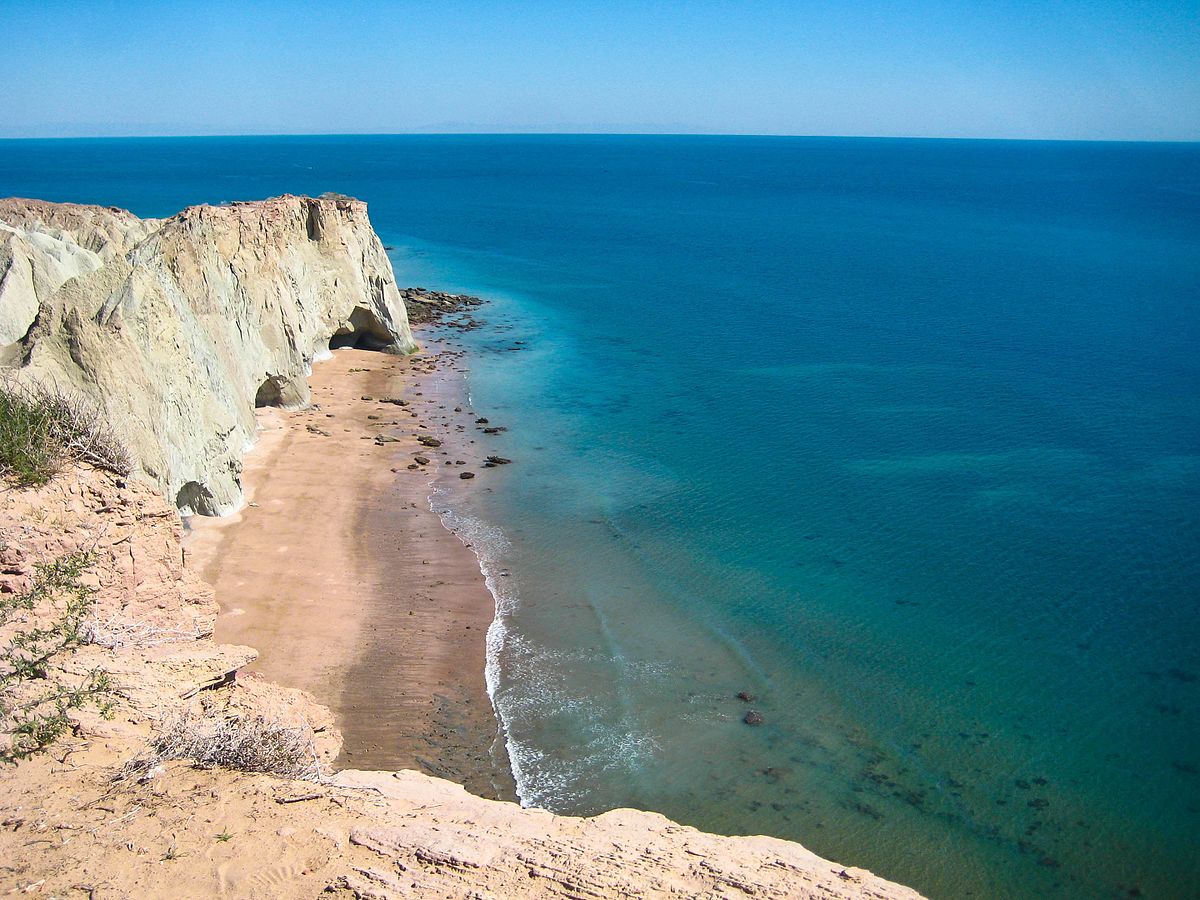
Does a French frigate or a British Type 45 destroyer stop a land-based Noor anti-ship missile launched from a mobile truck hidden in the jagged cliffs of the Musandam Peninsula? Perhaps. But it only has to fail once. Macron and Starmer are playing a high-stakes game of "Whack-A-Mole" where the mole has 2,000 miles of coastline and the hammer costs £1 million per swing.
The Myth of British and French Relevance
Let’s look at the "force" being projected. The Royal Navy is currently struggling with a recruitment crisis so severe it has considered decommissioning ships simply to man others. The French Marine Nationale, while capable, is stretched thin from the Indo-Pacific to the Mediterranean.
When these two leaders talk about a "plan to secure" the Strait, they are talking about a handful of vessels that would be exhausted within 48 hours of a high-intensity kinetic conflict.
- The Math of Attrition: In a saturation attack, Iran can launch dozens of cheap drones and fast-attack craft simultaneously.
- The Capability Gap: Western navies are built for blue-water dominance. The Strait of Hormuz is a 21-mile-wide bathtub. It is a "brown-water" nightmare where the technological advantages of a Carrier Strike Group are negated by geography.
I have sat in rooms with maritime strategists who privately admit that in a real shooting war, the first thing we would do is pull our high-value assets out of the Gulf to save them from being trapped in the "kill zone." If the strategy is to run away when the shooting starts, the current deployment is nothing more than expensive diplomatic theater.
Who Are We Protecting Anyway?
The most glaring omission in the Macron-Starmer press releases is the destination of the oil.
If you look at the data for crude exports passing through the Strait, the primary beneficiaries are not the UK or France. The vast majority of that oil is headed to China, India, Japan, and South Korea.
- China: ~8 million barrels per day (bpd)
- India: ~4 million bpd
- Europe: A dwindling fraction as the continent pivots toward US LNG and Norwegian piped gas.
Why are British and French taxpayers footing the bill to secure the energy supply chains of their primary economic competitors? If the Strait is truly "international water" vital to the global economy, then the burden should fall on the largest consumers.
Instead, we see a bizarre inversion of reality: Macron and Starmer are offering a free security subsidy to Beijing. China’s People’s Liberation Army Navy (PLAN) has a base in Djibouti, just a short sail away. Yet, they remain largely passive, watching the West burn through its naval readiness and defense budgets to protect ships that are ultimately feeding Chinese factories.
The Insurance Trap
Insurance is the silent killer of the Macron-Starmer plan.
The "Lazy Consensus" suggests that "security" means "physical safety." In the shipping world, security means "predictable overhead." Even if the Royal Navy manages to shoot down every single drone, the mere presence of a heightened military standoff keeps the Strait in a "War Risk Area" designation.
By militarizing the response further, the UK and France are signaling to the markets that the area is a combat zone. This creates a feedback loop:
- Increase naval presence to "reassure" markets.
- Iran perceives this as an escalation and increases drills/harassment.
- Insurance companies see the tension and hike rates.
- Shipping companies pass the cost to consumers.
The "solution" is the cause of the economic friction.
The Better Alternative: Strategic Disengagement
True leadership would involve admitting that the West cannot "secure" the Strait of Hormuz against a determined regional power. Instead of a summit on naval deployment, Starmer and Macron should be holding a summit on Redundancy and Realism.
- Pipeline Infrastructure: We should be pressuring Gulf allies to maximize the use of the Habshan–Fujairah pipeline (UAE) and the Petroline (Saudi Arabia). These bypass the Strait entirely. Currently, they are underutilized because it is cheaper to use the sea—but only because the West subsidizes the security of the sea route.
- Domestic Resilience: Every pound spent on a destroyer in the Gulf is a pound not spent on domestic energy storage or grid modernization that would make the UK and France immune to Gulf volatility.
- The "User Pays" Model: If India and China want the oil, they should provide the escorts. The era of the West providing global public goods for free is over. We are broke, our fleets are tired, and our "influence" is a ghost.
The Brutal Truth
Macron loves the stage. Starmer needs to look "prime ministerial" on the global map. This summit is about optics, not logistics.
Imagine a scenario where a British ship is hit by an Iranian drone during this "securing" mission. The UK would be forced into an escalatory cycle it cannot afford and has no plan to finish. We are risking multi-billion dollar assets and the lives of sailors for a mission that primarily benefits our economic rivals and satisfies a nostalgic urge for relevance.
The Strait of Hormuz is a trap. Iran knows it. The insurance markets know it. Only the politicians in London and Paris seem to believe their own press releases.
Stop trying to "secure" a geographic bottleneck that is inherently unsecurable. Pull the ships back, let the buyers protect their own cargo, and invest that capital into making the Strait of Hormuz irrelevant to our national survival.
The most powerful thing a former colonial power can do in 2026 is stop pretending it's 1926.