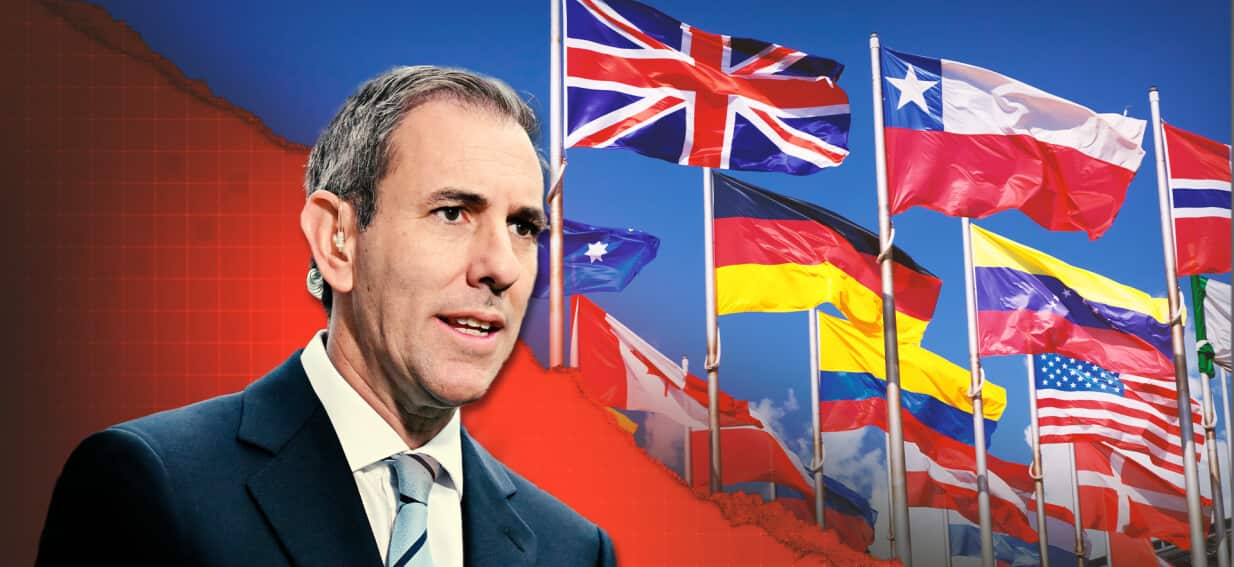
The Australian budget surplus is a lie.
Not because the numbers are "fake," but because they are irrelevant. For two years, the Treasurer has paraded a surplus like a trophy, inviting us to look at how "responsible" we are compared to the debt-ridden ruins of the UK or the fiscal disaster of the United States. It is a seductive narrative. It is also a dangerous distraction from the fact that Australia is currently experiencing a structural rot that no amount of temporary commodity tax windfalls can mask. If you found value in this piece, you might want to check out: this related article.
We are patting ourselves on the back for a "surplus" that was bought with record-high iron ore prices and a surge in migration that is masking a per-capita recession. If you have to invite a million new people into the house just to keep the lights on, you aren't getting richer; you’re just getting more crowded.
The Surplus Illusion
The common consensus—the "lazy consensus"—is that Australia is a "fiscal superstar" because our net debt-to-GDP ratio sits significantly lower than the OECD average. According to IMF data, while G7 nations are drowning in gross debt exceeding 100% of GDP, Australia sits comfortably around 50%. For another look on this story, check out the recent update from MarketWatch.
But this is like a trust-fund kid bragging about their bank balance while the family business is failing. Our "surplus" is cyclical, not structural. We are currently riding the tail end of a massive terms-of-trade boom. When China stops buying our dirt at premium prices—and with their property sector in a permanent coma, that "when" is "now"—the trapdoor opens.
The 2024-25 budget predicts a swing from a $9.3 billion surplus to a $28.3 billion deficit in a single year. That isn't a "transition." That is a collapse. We are spending like we have a permanent income increase, but we’re actually just living off a one-time bonus.
The Productivity Death Spiral
While the media obsessively tracks the "headline" inflation rate, they are missing the real horror show: productivity.
Australia’s productivity is currently lower than it was in 2016. We haven't just stalled; we’ve reversed. In the United States, productivity has surged because they actually invest in technology and efficiency. In Australia, we invest in houses. We have built an economy that rewards people for owning things rather than making things.
The government’s "Future Made in Australia" plan is a $22.7 billion bet that we can suddenly become a manufacturing powerhouse by subsidizing green hydrogen and critical minerals. I’ve seen governments blow billions on "priority sectors" before. Subsidy-led growth is rarely sustainable because it removes the pressure to be efficient. If a business needs a government check to survive on day one, it’s usually still asking for one on day 1,000.
By tying our future to picking "winners," we are ignoring the losers: every other small business in Australia struggling under the weight of a tax system that punishes investment and a regulatory environment that makes starting anything new a nightmare.
The Inflation Shell Game
The government claims its $300 energy rebates will "reduce inflation" by 0.75%. This is the most cynical piece of accounting I’ve seen in a decade.
Providing a rebate doesn't lower the cost of energy. It just shifts the bill from your right pocket (your electricity statement) to your left pocket (your taxes). The ABS might record a lower CPI because the "out-of-pocket" cost for consumers dropped, but the actual demand in the economy hasn't changed. In fact, by giving everyone—including the wealthy—$300 to spend elsewhere, you are arguably fueling the very inflation you claim to be fighting.
It’s a Band-Aid on a bullet wound. True inflation relief comes from fixing the supply side—building more houses (not just promising to), fixing the energy grid, and deregulating the labor market. Instead, we get accounting tricks.
The Per-Capita Recession Nobody Admits
If you look at the aggregate GDP, Australia looks okay. If you look at GDP per person, we have been in a recession for over a year.
We are importing growth. By maintaining record-high migration levels, we keep the total GDP number positive, which looks great in a press release. But for the individual Australian, the quality of life is sliding. Infrastructure is buckling, the rental market is a bloodbath, and real wages are being eaten alive by "bracket creep"—the silent tax hike where inflation pushes you into a higher tax bracket even though you can buy less with your paycheck.
The "emerging tensions" the competitors talk about aren't just "budget pressures." They are the cracks in a 30-year-old economic model that relied on digging things up and selling them to China. That era is over.
The Wrong Comparison
Stop comparing Australia to the US or the UK. Those countries are the world’s reserve currency issuers or financial hubs; they can play by different rules. We are a medium-sized, commodity-dependent economy. Our peer group isn't the G7; it’s the nations that actually have to balance their books or face immediate currency devaluations.
We are currently running a structural deficit that is being hidden by high commodity prices. When those prices mean-revert, we won't just have "tensions." We will have a crisis.
The unconventional truth is that we need to stop worrying about the "surplus" and start worrying about why we aren't producing anything of value besides rocks and visas. We are currently a "lifestyle" economy that forgot how to work.
The surplus isn't a sign of health. It’s the last gasp of a lucky country that has finally run out of luck.