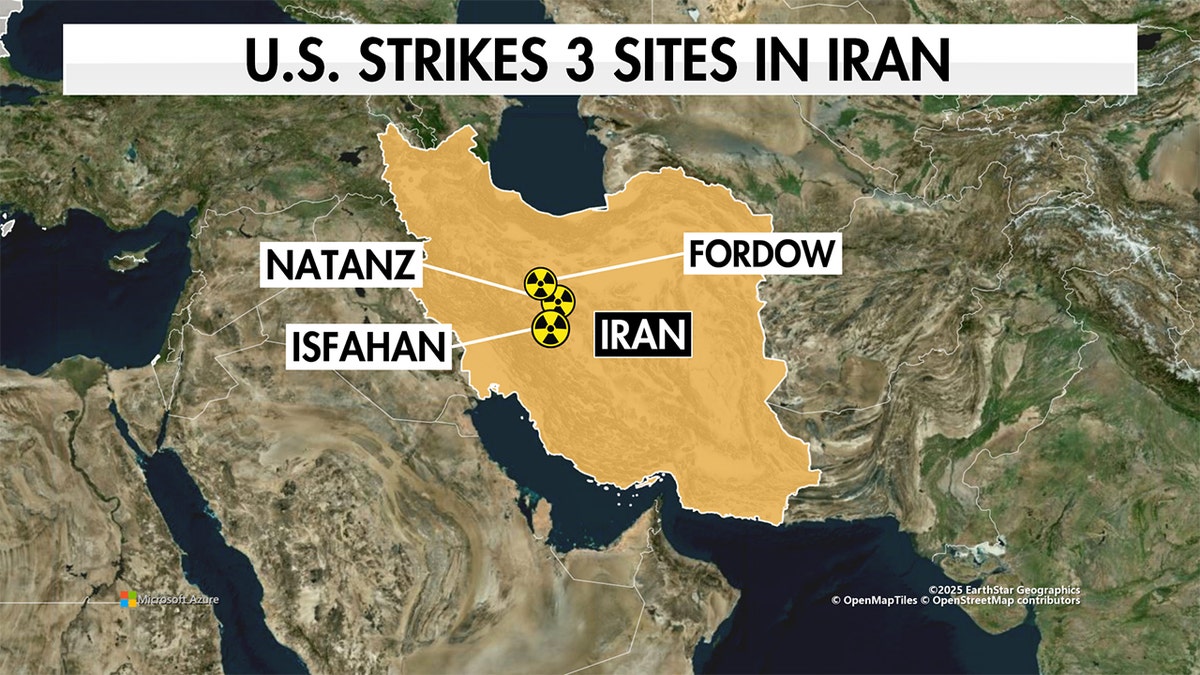
Keir Starmer is playing a game he cannot win. The media is currently obsessed with the optics of his friction with the Trump administration, framing it as a "clash of personalities" or a "test of the Special Relationship." They are missing the point entirely. While the headlines focus on whether Starmer is "standing up" to Mar-a-Lago, the actual rot is in the UK’s delusional belief that it can maintain a "third way" on Iran.
The consensus view—the one you’ll read in every safe, middle-of-the-road outlet—is that Starmer is being principled. They say he is balancing UK security interests with international law. They are wrong. Starmer isn’t being principled; he is being nostalgic for a world order that died in 2016. By attempting to defend a "middle ground" on Tehran while snubbing the incoming U.S. administration, he is effectively isolating Britain from its most critical security partner without gaining an ounce of leverage over Iran.
The Myth of the Independent British Deterrent
Let’s dismantle the first lie: that the UK can meaningfully influence Iranian behavior through independent sanctions or "measured" diplomacy. I have sat in rooms where "strategic autonomy" is discussed as if it were a real thing for a mid-sized island nation with a shrinking navy. It isn't.
Iran doesn't fear London. It fears the U.S. Treasury and the U.S. Central Command. When Starmer defends his recent actions—which involve a mix of mild condemnation and a refusal to align with the "Maximum Pressure" 2.0 strategy—he isn't projecting strength. He is signaling to the Islamic Revolutionary Guard Corps (IRGC) that there is a crack in Western unity.
The "lazy consensus" suggests that the UK can act as a bridge. History shows that bridges just get walked on. In 2015, the JCPOA (the Iran nuclear deal) was touted as the pinnacle of this diplomatic bridge-building. By 2018, it was a smoking ruin. Starmer is trying to revive a corpse, and he’s willing to sacrifice his relationship with the White House to do it.
The Trump Variable Is Not a PR Problem
The press treats Trump’s criticism of Starmer as a Twitter spat. It is actually a fundamental realignment of the global security architecture. If you think the "Special Relationship" is built on shared values or a common language, you’ve been reading too many history books. It is built on the hard currency of intelligence sharing and military interoperability.
By openly diverging from the Trump administration on Iran—the single most sensitive topic for the Republican foreign policy establishment—Starmer is putting Five Eyes intelligence at risk. This isn't a thought experiment. Imagine a scenario where the U.S. decides to withhold specific SIGINT (signals intelligence) regarding IRGC proxies in the Levant because they no longer trust the UK’s "de-escalation" obsession. That is the price of Starmer’s current posture.
The UK's current strategy assumes that Trump can be managed or "waited out." This is a catastrophic miscalculation. Whether you like the man or not, the policy shift toward aggressive containment of Iran is now a bipartisan reality in Washington, even if the methods differ. Starmer is trying to use a 1990s playbook in a 2026 reality.
Why Maximum Pressure Is the Only Logical Path
The critics say "Maximum Pressure" failed. They point to the fact that Iran continued its enrichment program. What they ignore is the economic reality. Under heavy sanctions, the Iranian regime’s ability to fund its regional proxies—Hezbollah, Hamas, and the Houthis—is significantly throttled.
When Starmer pushes back against these measures, he is inadvertently providing a pressure valve for the regime. He argues that we need to keep "channels of communication open."
Channels of communication are useless if you have nothing to say. If the UK isn't bringing a credible threat of force or a total economic embargo to the table, they aren't "negotiating." They are just chatting while the centrifuges spin.
The Proscription Cowardice
If Starmer were serious about Iran, he would have proscribed the IRGC as a terrorist organization months ago. He hasn't. Why? Because the Foreign Office is terrified of losing its embassy in Tehran. They value a building and a few low-level diplomatic cables over the actual security of the British public.
I’ve seen this play out in corporate restructuring. A CEO refuses to cut a failing department because they "like the manager" or "hope things will turn around." They eventually go bankrupt. The UK's Iran policy is currently in Chapter 11. By refusing to label the IRGC for what it is—a state-sponsored terror syndicate—Starmer is attempting to maintain a "neutrality" that the Iranians themselves do not respect.
The Economic Fallacy of "Standing Alone"
British business leaders are quietly terrified. They know that if the U.S. implements secondary sanctions on entities doing business with Iran, the UK will be forced to choose. There is no world where a UK-Iran trade link—as minuscule as it is—is worth losing access to the U.S. financial system.
Starmer’s "defense" of his actions suggests there is some economic or strategic upside to this friction. There isn't. The UK’s trade with Iran is a rounding error. The UK’s security dependence on the U.S. is total. This isn't "standing tall"; it's a slow-motion suicide pact fueled by a desperate need to appear "not like Trump" to a domestic audience.
The Hidden Cost of Moral Grandstanding
We need to talk about the E3 (UK, France, Germany). The E3 has spent the last decade trying to save the JCPOA. It has been a decade of failure. Iran is closer to a breakout capacity today than it was before the deal.
Starmer is doubling down on the E3 alliance because it feels "European" and "sophisticated." In reality, the E3 is a paper tiger. Without U.S. kinetic backing, the E3’s warnings to Tehran carry the weight of a sternly worded Yelp review. By clinging to this group, Starmer is choosing a failing collective over a functional (if volatile) bilateral partnership with the U.S.
The Wrong Question
People ask: "Can Starmer handle Trump?"
The real question is: "Can the UK survive being an outlier in the Western security consensus?"
If the U.S. moves to a hard containment strategy and the UK remains in a state of "critical engagement," the UK becomes the weak link. In the world of global intelligence, the weak link gets bypassed. Starmer’s insistence on "defending his actions" is a defensive crouch. He is trying to justify a policy that has no measurable KPIs and no path to victory.
The Brutal Reality of Middle Power Status
The UK is a middle power with a Great Power hangover. Starmer’s rhetoric suggests he believes the UK can dictate terms or at least maintain a separate sphere of influence in the Middle East. It cannot.
The only way the UK maintains relevance is by being the essential partner to the superpower. This requires alignment. Alignment doesn't mean being a "poodle"—a tired, lazy metaphor—it means recognizing where your leverage actually comes from. It comes from the ability to project power alongside the U.S., not in spite of it.
The Strategy for a Post-Delusion UK
Stop trying to save the deal. The deal is dead.
Proscribe the IRGC. Do it today.
Align the UK’s sanctions regime 1:1 with the U.S. Treasury.
This isn't about "bowing" to a foreign leader. It's about cold, hard math. If the goal is to stop a nuclear-armed Iran and prevent regional war, a fractured West is the greatest gift you can give the Ayatollahs. Starmer’s "principled" stance is, in fact, the most dangerous path he could take. He is trading national security for a few days of positive headlines in the Guardian.
The UK cannot afford a prime minister who prioritizes looking "statesmanlike" over the brutal necessities of realpolitik. If Starmer continues to "brush off" criticism from the incoming U.S. administration, he will find himself standing on a very small, very lonely island when the sparks finally hit the powder keg in the Persian Gulf.
Stop looking for the middle ground. It's a graveyard.