The radiator in a small apartment in Harbin hums with a warmth that traveled thousands of miles through the permafrost. That heat is literal. It is the physical manifestation of a shift in the world’s tectonic plates of power, a movement so massive it is often invisible to the people actually living through it. For decades, the flow of energy, money, and influence moved like a steady tide toward the West. Now, the tide has turned. It is rushing East, and the sound it makes is the quiet click of a WeChat Pay transaction in a Moscow grocery store.
The geopolitical marriage between Russia and China is frequently described in the sterile language of "strategic partnerships" and "bilateral trade agreements." These words are too cold. They don't capture the smell of diesel on the border or the desperation of a Russian businessman who suddenly found his German-made supply chain severed. What we are witnessing isn't just a policy shift. It is a fundamental rewiring of the globe, sparked by a war in Ukraine that acted as a high-voltage catalyst.
The Bread and the Tank
Consider a hypothetical farmer in the Altai region of Russia. For years, his grain might have eventually found its way to European markets, while his tractor relied on parts from the United States. When the first sanctions hit like a physical blow in 2022, the flow of those parts stopped. The Western world bet that by cutting the wires, the machine would die.
Instead, the machine found a new battery.
China didn't just step in; they moved in. By 2024, Chinese brands like Haval and Geely claimed more than half of the Russian car market. This wasn't a slow takeover. It was a vacuum being filled at light speed. While Washington and Brussels calculated the impact of frozen assets, Beijing calculated the value of a captive market of 140 million people. This is a win-win born from a lose-lose. Russia loses its European identity; China gains a junior partner with a nuclear arsenal and a bottomless pit of raw materials.
The numbers are staggering, but numbers often lie by omission. They don't tell you about the psychological toll of a superpower realizing its future no longer lies in London or Paris. Trade between the two nations surged past $240 billion, a record that would have seemed like science fiction a decade ago. Russia is now China’s largest supplier of oil. The "Power of Siberia" pipeline isn't just a piece of infrastructure. It is an umbilical cord.
The Dollar’s Long Shadow
The most profound change isn't happening on the battlefield or in the oil fields. It’s happening on a digital screen. For nearly a century, the U.S. dollar was the undisputed king, the "exorbitant privilege" that allowed America to project power without firing a shot. If you wanted to buy oil, you used dollars. If you wanted to trade across borders, you used the SWIFT system.
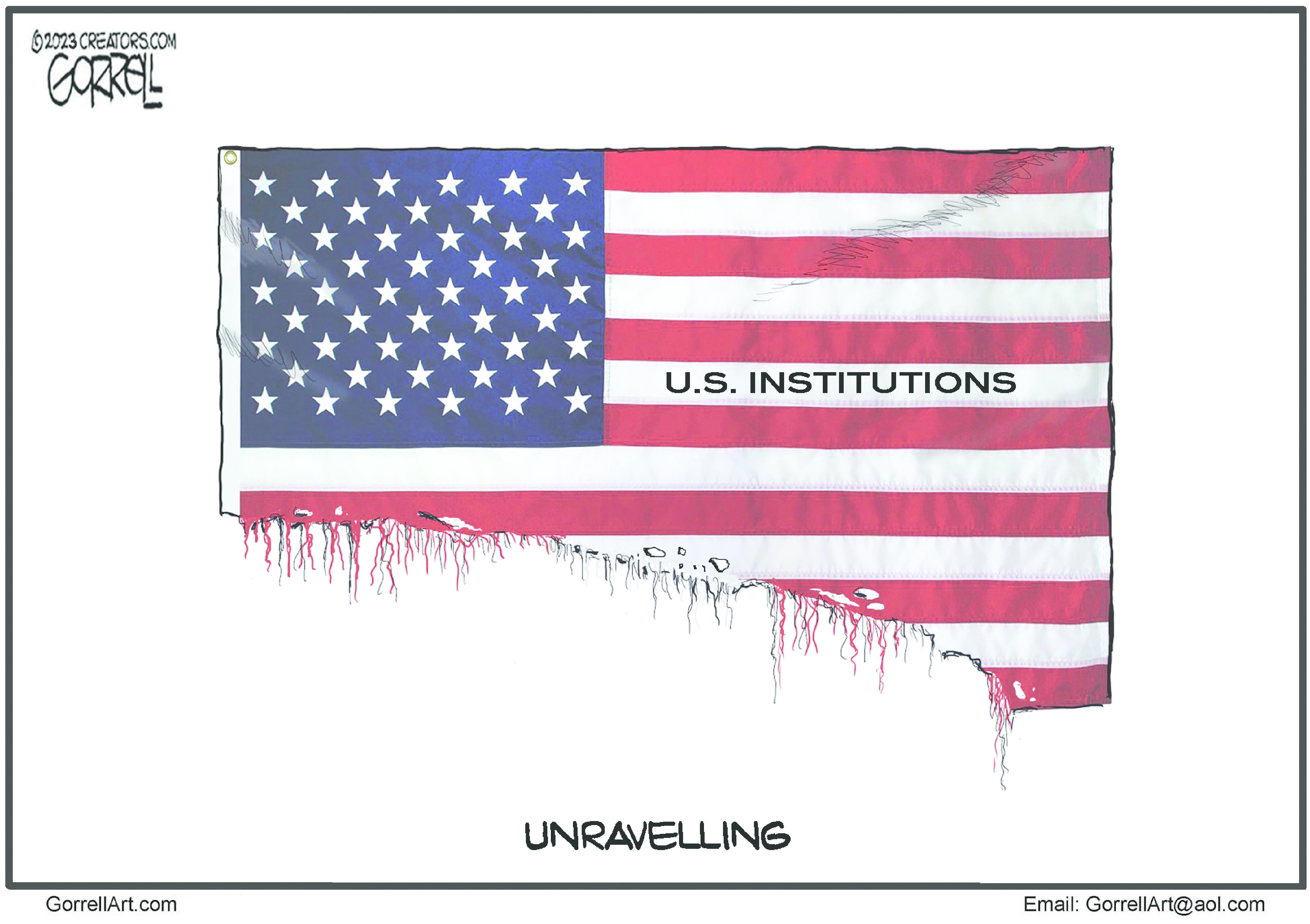
When the West weaponized the dollar by freezing Russian reserves, they sent a signal to every capital city on earth: your money is only yours as long as you behave.
Beijing heard this loud and clear. They had been waiting for this moment. Now, a massive portion of Russia-China trade is settled in yuan and rubles. This isn't just about avoiding sanctions. It is about building a parallel universe. A world where the Treasury Department in D.C. has no "off" switch. It is a messy, complicated transition. Converting rubles to yuan isn't always efficient, and the Russian central bank has had to perform incredible gymnastics to keep the floor from falling out. But they are doing it. They are proving that a life without the dollar is possible, even if it is uncomfortable.
The stakes are invisible until they aren't. If the dollar loses its status as the world’s primary reserve currency, the American ability to fund its own debt becomes a ticking clock. By pushing Russia into China's arms, the West may have accidentally birthed the very monster it spent the Cold War trying to prevent: a unified Eurasian bloc that is resource-independent and ideologically aligned against the liberal order.
The Silence of the Border
Walk through the city of Blagoveshchensk. It sits on the Amur River, looking directly across at the Chinese city of Heihe. For a long time, the Russian side was the more developed, a sleepy but solid outpost of European civilization. Today, the view has flipped. From the Russian shore, you look across the water at a neon-lit skyline that seems to have risen from the dirt overnight.
Heihe glows. Blagoveshchensk watches.
There is a tension here that no official communiqué will ever mention. Russia is the largest country on earth, but its population is shrinking and its economy is roughly the size of Italy’s. China is a manufacturing behemoth with an insatiable hunger for everything Russia has—gas, timber, gold, and space. This is not a partnership of equals. It is a landlord-tenant relationship where the tenant happens to have a lot of guns.
Moscow knows this. They aren't blind. They understand the risks of becoming a "vassal state" to Beijing. But when the front door to Europe is bolted and barred, you have to use the back door, even if the person holding it open is charging a high price. The win for Russia is survival. The win for China is a secure, land-based supply of energy that the U.S. Navy cannot block in the South China Sea.
The Human Scale of History
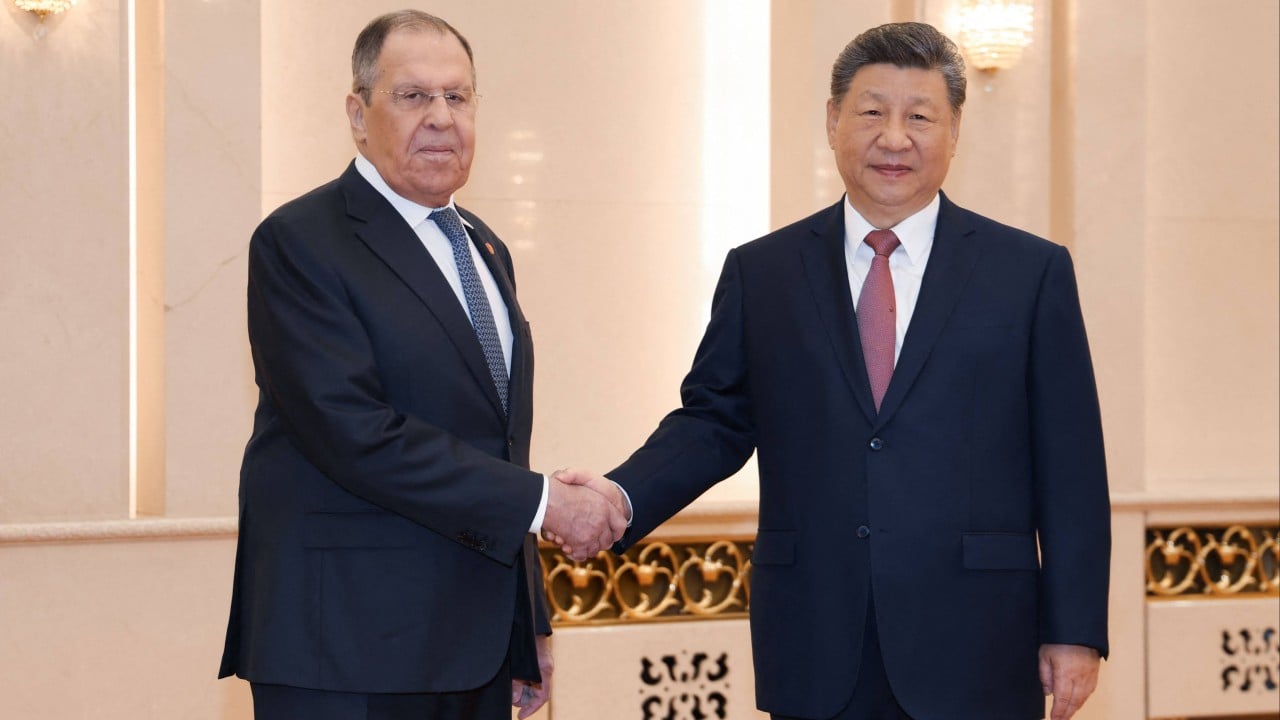
We often talk about these shifts as if they are inevitable, like the weather. They aren't. They are the result of thousands of small decisions made by people in rooms in the Kremlin and Zhongnanhai. These leaders are betting that the era of Western dominance was a historical fluke, a 200-year deviation from the norm where the East was the center of the world.
To the average person in the West, this feels distant. It feels like a headline you scroll past to get to the sports scores. But the reorientation of these two giants affects the price of the gas in your car and the stability of the pension fund you’re counting on. It affects whether the 21st century will be defined by cooperation or by two massive, locked-off camps staring at each other across a digital and physical wall.
There is a specific kind of silence that falls over a room when people realize the old rules no longer apply. It’s the silence of a CEO realizing their factory in Shenzhen might soon be producing parts for a world they don't recognize. Or the silence of a diplomat realizing their leverage has evaporated.
The war in Ukraine was supposed to isolate Russia. In a sense, it worked. Russia is isolated from the G7, from the Olympics, and from the high-end shops of the Champs-Élysées. But it is not alone. It has been driven into the embrace of a neighbor that was already looking for a reason to challenge the status quo.
As the sun sets over the Amur River, the lights of Heihe begin to flicker on, one by one. They are powered by Russian gas. They are built with Russian steel. And they shine with a brightness that suggests the old map of the world has been torn up and thrown into the fire.
The heat from that fire is warming the world. Whether it will burn it down is a question we are only just beginning to ask.