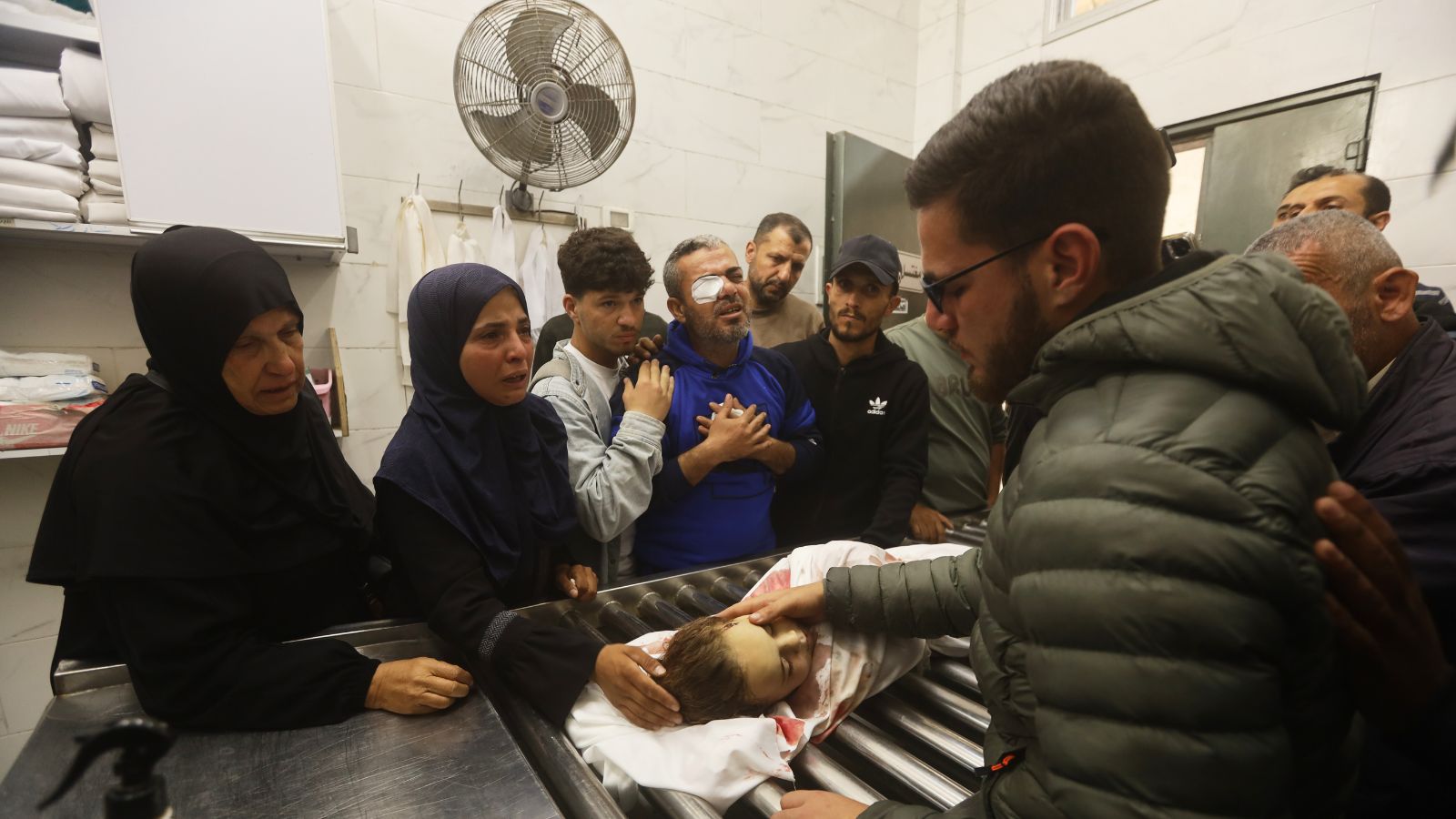
The headlines are bleeding with the same exhausted narrative. They focus on the horror of rats biting children in displaced persons' camps as if these rodents are an accidental byproduct of "collapsing sanitation." This framing is intellectually lazy. It treats a biological inevitability like a freak of nature. If you pack human beings into densities that would make a sardine feel claustrophobic, take away their waste management, and then act surprised when the local fauna moves in for the buffet, you aren't reporting; you are performing shock.
The reality is far more clinical and far more devastating. We aren't looking at a sanitation collapse. We are looking at the predictable, mathematical outcome of urban metabolic failure. When you disrupt the flow of resources and the removal of waste in a high-density environment, you aren't just creating a "crisis." You are building a massive, outdoor incubator for zoonotic spillover.
The Rodent Economy
Rats don’t care about politics. They don’t care about borders. They care about calories and harborage. In the current Gaza context, the "sanitation crisis" is actually an ecosystem shift. We have effectively replaced a human-centric urban system with a rodent-centric one.
Most aid reports focus on the lack of bleach or the shortage of trucks. That’s surface-level thinking. To understand why children are getting bitten, you have to understand the carrying capacity of an environment.
$K = \frac{(Food + Water + Shelter)}{Predation}$
In a displaced persons camp, the variables are skewed.
- Food: High. Waste isn't being removed; it's being concentrated.
- Shelter: Infinite. Tents, rubble, and temporary structures provide perfect nesting sites.
- Predation: Zero. Domestic cats are gone or starving; professional pest control is non-existent.
When $K$ (carrying capacity) hits these levels, the population of Rattus norvegicus doesn’t just grow; it explodes. The bites aren't "accidents." They are the result of a population density so high that the rodents are forced into aggressive foraging behaviors they would usually avoid around humans.
Stop Blaming the Rain
The standard "misery porn" article blames the weather or the "lack of resources" for the spread of disease. This is a half-truth that masks the systemic incompetence of the international response.
History shows us that you can maintain hygiene in makeshift camps if you treat it like a logistics problem rather than a charity project. During the 19th-century cholera outbreaks in London, John Snow didn't just pray for better weather; he identified the pump. In Gaza, the "pump" is the sheer inability to manage the solid waste stream.
We see organizations begging for medical supplies to treat rat-bite fever (streptobacillary fever). This is reactive, low-IQ intervention. If you are treating the bite, you have already lost the war. You should be screaming about the Bio-Solid Delta.
The Bio-Solid Delta is the gap between the amount of organic waste generated by a population and the amount removed. In Gaza, that delta is currently near 100%. Every gram of organic waste left on the ground is an investment in the next generation of rats.
The Myth of "Sanitation Collapse"
"Collapse" implies a sudden fall. What we are seeing is a managed degradation.
International bodies often cite the lack of fuel for garbage trucks as the primary driver. While true, it overlooks the design flaw of modern humanitarian aid. We try to export Western, centralized waste management solutions into active conflict zones. It’s a mismatch of tech and reality.
Instead of waiting for a fleet of diesel-guzzling trucks that will never come, why isn't there a pivot toward localized, decentralized waste incineration or deep-trench sequestration? Because the "sanitation industry" within the NGO world is tethered to a specific way of doing things. They want "robust" (one of their favorite words) infrastructure when what they need is primitive, brutal efficiency.
The Zoonotic Timer
Let’s talk about the data the mainstream media ignores because it’s too "technical." Rat bites are the tip of the spear. The real threat is the silent transmission of Leptospirosis and Murine typhus.
When rats live in close proximity to humans—specifically when they are crawling over sleeping children—the transmission vector isn't just the bite. It’s the urine. It’s the droppings. It’s the fleas.
In a standard urban environment, the "buffer zone" between a human and a rat is usually several meters and a few layers of brick. In the camps, that buffer is a millimeter of nylon. This isn't a sanitation problem; it's a structural boundary failure.
If you want to stop the bites, you don't send more bandages. You send plastic pallets to raise sleeping surfaces off the ground. You create physical distance. If you can’t remove the rats, you have to re-engineer the human sleeping space. But that doesn't make for a heart-wrenching headline about "innocent victims," so it doesn't get the funding.
The False Comfort of Temporary Fixes
I’ve seen this play out in refugee contexts from South Sudan to Bangladesh. The "insider" secret that nobody wants to admit is that once a rodent population reaches this level of saturation, standard interventions are useless.
Traps are a joke. Poison is a liability (imagine putting rodenticide in a tent full of toddlers). The only way out is a radical, aggressive overhaul of the caloric landscape.
This means:
- Centralized Feeding: Stop distributing raw rations that people cook (and spill) in their tents. Move to community kitchens where waste can be controlled and burned immediately.
- Hard-Site Waste Sequestration: Stop piling bags on the street. You need concrete-lined pits or metal containers that are rodent-proof.
- Physical Elevation: Every child sleeping on the ground is a target. If they aren't 18 inches off the floor, they are part of the ecosystem.
The Hard Truth
The reports you read about Gaza's "rat problem" are designed to make you feel pity. They should make you feel rage at the logistical stupidity.
We are watching a 14th-century plague environment being built with 21st-century materials. The rats aren't the villains here; they are just the most efficient opportunists in the room. They are the feedback loop telling us that the current humanitarian model is a failure.
If your "aid" doesn't include the immediate, violent disruption of the rodent food chain, you aren't saving lives. You're just fattening up the vermin for the next outbreak.
Stop looking at the bites. Look at the trash. Look at the ground. Then look at the people in charge who think a shipment of antibiotics is an answer to a biological invasion.
The rats have already won this round because they have a better strategy for the environment than the humans do. Until we change the math of the camp, the children will continue to pay the price in flesh.
Stop calling it a crisis. Call it what it is: a total abandonment of basic ecological defense.


