The era of the digital mask is ending before it truly began. Samsung has quietly signaled a retreat from the bulky, isolating headsets that defined the early "metaverse" land grab, opting instead to bet its future on something far more invisible: a pair of glasses that look like glasses.
By the end of this year, Samsung plans to launch its first AI smart glasses, a product born from a high-stakes alliance with Google and Qualcomm. Unlike the high-priced, face-smothering optics of the Apple Vision Pro, Samsung’s hardware is designed to disappear. The device, which sources and early leaks suggest will weigh approximately 50 grams, effectively turns the wearer’s smartphone into a pocket-bound brain. This is not just a hardware release; it is an admission that the industry misread what people actually want to wear.
The Pivot to Weightlessness
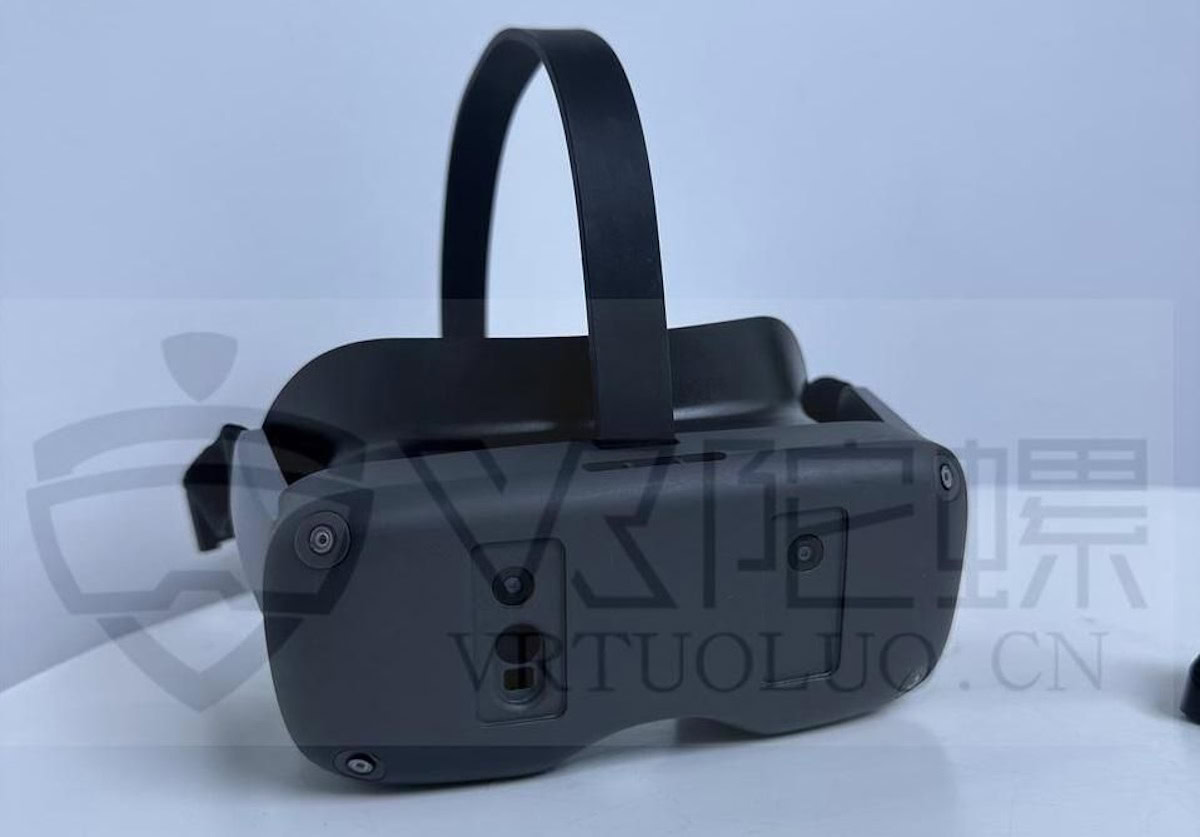
Samsung’s shift is a calculated response to a harsh reality. While the Galaxy XR headset—a high-fidelity mixed-reality device—has existed in development as "Project Moohan," the company is now prioritizing a "mass scale" form factor. Jay Kim, Executive Vice President of Samsung’s mobile business, recently told CNBC that while headsets will exist, they aren't the primary vehicle for the company's AI ambitions.
The strategy is brutal in its simplicity. Instead of trying to cram a desktop-class processor and a massive battery onto a user’s nose, Samsung is offloading the heavy lifting. The glasses act as a sensory peripheral. They feature a camera positioned at eye level, microphones, and speakers. They see what you see, but the Galaxy phone in your pocket does the thinking.
This architecture solves the two biggest hurdles of wearable tech: thermal management and weight. A 155mAh battery is tiny, but when it only needs to power a 12MP Sony IMX681 sensor and a Bluetooth link, it lasts. For Samsung, the goal is to reach a point where wearing these is no different than wearing a pair of Ray-Bans.
Google and the Android XR Power Play
The hardware is only half the story. The real battle is being fought over the operating system. Samsung is the lead partner for Google’s new Android XR platform, a specialized version of the OS built specifically for the "Gemini era."
If you walk into a crowded room, the glasses don't just record; they interpret. Through the eye-level camera, Google’s Gemini AI can identify the person you’re speaking with (provided they’re in your contacts), translate a menu in real-time, or guide you through a city with audio cues that feel like they’re coming from the physical world.
This partnership exists because Google needs a hardware win. After the public failure of Google Glass a decade ago, the search giant has been hesitant to put its name on frames. By providing the software foundation for Samsung, Google gains a massive installed base without the risk of being the primary face of a potential consumer flop. It is a symbiotic survival strategy.
The Meta Problem
Samsung isn't entering an empty room. Meta currently dominates this specific niche, holding over 80% of the smart glasses market with its Ray-Ban collaboration. Meta proved that people will tolerate cameras on their faces if the frames look good and the utility is immediate.
Samsung's counter-argument is the ecosystem.
While Meta is a destination, Samsung is an environment. A pair of Galaxy glasses can theoretically control a SmartThings-connected home, interface deeply with a Galaxy Watch for health metrics, and tap into the deep Google Service integration that Meta lacks. When asked about the lack of a built-in display in the first-generation glasses, Samsung executives have been quick to point out that users already carry displays on their wrists and in their pockets.
However, this lack of a heads-up display (HUD) is a gamble. It assumes that "agentic AI"—AI that performs tasks on your behalf via voice—is enough to justify a $300 to $500 purchase. If a user still has to pull out their phone to see the data the glasses just processed, the friction might remain too high for the average consumer.
The Privacy Debt
We have been here before. The "Glasshole" era of 2013 was defined by the social rejection of people wearing cameras in public. Samsung is betting that in 2026, our collective privacy threshold has dropped enough that a small LED indicator is a sufficient peace offering.
The investigative reality is that these glasses are the ultimate data-collection machines. They don't just track what you search for; they track what you look at, how long you look at it, and who you are with. Samsung and Google will have to be transparent about whether this visual data stays on the device or if it’s being used to train the next iteration of Gemini.
The hardware is close. The software is ready. The only question is whether the public is willing to let a tech giant sit on the bridge of their nose.
Would you like me to break down the leaked technical specifications for the SM-O200P model compared to the current Meta Ray-Ban hardware?