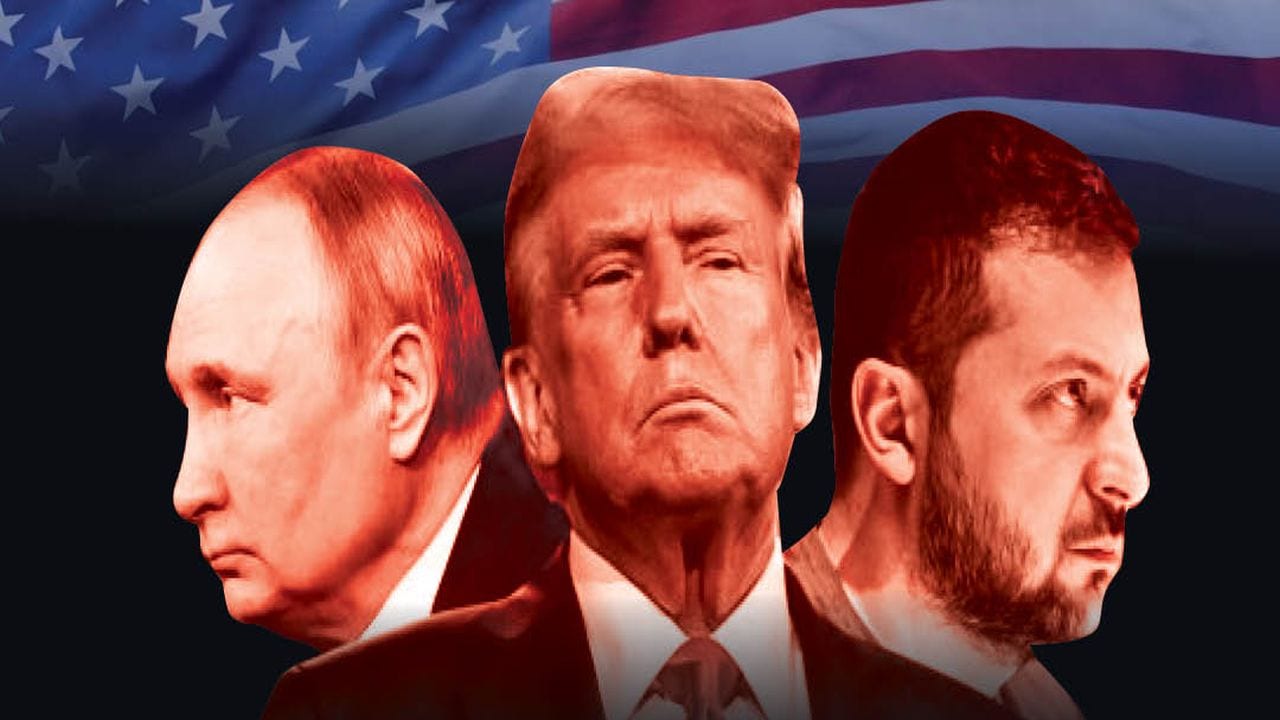
We've heard the "peace is coming" refrain so many times since 2022 that it’s easy to tune it out. But this week, something feels different. When Kyrylo Budanov, a key figure in Zelenskyy’s inner circle, tells Bloomberg he thinks the war won't last much longer, it isn't just optimism—it’s a signal. After years of brutal stalemate and trillions of rubles drained from the Kremlin's coffers, the internal math for both Kyiv and Moscow is changing.
The reality on the ground in April 2026 is messy. Russia currently holds about 19% of Ukrainian territory, but their offensive has hit a wall. In March, they managed to grab only 23 square kilometers. That’s essentially a handful of fields. Meanwhile, the U.S. is knee-deep in a conflict with Iran, shifting the focus of global superpowers and forcing Ukraine and Russia to look at the exit ramp more seriously.
The Easter Truce is More Than Just a Break
The immediate news is the 32-hour ceasefire for Orthodox Easter. Putin ordered it to start Saturday afternoon, following a proposal Zelenskyy sent through U.S. channels. On the surface, it’s a religious gesture. Look deeper, and it’s a rare moment of synchronized diplomacy.
I've seen these "gestures" fail before. Last year’s truce was a disaster of finger-pointing and shellfire. But today, the tone from Kyiv is surprisingly pragmatic. Budanov admits that while both sides started with "maximalist" positions, they're finally moving toward a middle ground. He says the limits of what's acceptable are now clearly understood. That’s huge. It means the red lines aren't just walls anymore; they’re becoming bargaining chips.
Why the Kremlin is Hurting More Than They Admit
Don’t believe the hype about Russia’s "war-proof" economy. Yes, oil prices spiked because of the Middle East chaos, giving Putin a temporary windfall. But Budanov pointed out a glaring truth: Russia is spending its own cash. Unlike Ukraine, which has been buoyed by international aid and the recent €30.6bn European commitment, Moscow is burning through trillions of its own reserves.
The financial pressure is becoming unsustainable. Even with the 16th package of EU sanctions hitting their aluminum exports, the Kremlin's ability to fund a "forever war" is fraying. They need a win—or at least a way to stop the bleeding—before their internal economy completely fractures.
The Trump Factor and the New Mediators
The diplomacy has moved far beyond the old Brussels-only crowd. We’re looking at a new set of faces. Steve Witkoff and Jared Kushner are expected in Kyiv soon. This isn't just a social visit; it’s the arrival of the Trump administration’s heavy hitters.
The strategy seems to be a 28-point plan that’s been floating around since late 2025. It’s controversial, sure. It talks about capping Ukraine's armed forces and constitutional shifts regarding NATO. But it also offers the one thing Kyiv needs most: "reliable security guarantees." Without those, any deal is just a pause for Russia to reload.
What a Deal Might Actually Look Like
If you're looking for a total Russian withdrawal to 1991 borders tomorrow, you're going to be disappointed. The talk right now is about "territorial compromise." That's a bitter pill for many Ukrainians. However, the proposal to freeze the conflict along current front lines is gaining traction as a way to stop the daily slaughter.
Key sticking points remain:
- Control over the Zaporizhzhia nuclear plant.
- The status of the Donetsk and Luhansk regions.
- The specific language of Ukraine’s "neutrality."
Honestly, the biggest hurdle is trust. Ukraine hasn't forgotten that they were "neutral" in 2014 when Crimea was taken. This time, the deal has to have teeth. Whether that means European troops on the ground or a massive "deterrence" fund, the handshake has to be backed by more than just a signature.
Why You Should Pay Attention Now
This isn't just another round of "maybe" talks. The fact that the U.S., Ukraine, and Russia have already held three rounds of negotiations in Abu Dhabi and Geneva this year shows a level of engagement we haven't seen in years. The "Geneva 3" talks in February were only paused because of the Iran war, not because the sides gave up.
If you’re tracking this, watch the movements of the U.S. delegation next week. If Witkoff and Kushner land in Kyiv, the "90% agreed" figure Zelenskyy mentioned recently might actually be real. We aren't at the finish line yet, but for the first time in a long time, the path is visible.
Keep an eye on the front lines during this Easter break. If the guns actually stay silent for those 32 hours, it’ll be the strongest evidence yet that both sides are ready to stop the bleeding. Start looking at the details of the security guarantees being discussed—that's where the real war will be won or lost.