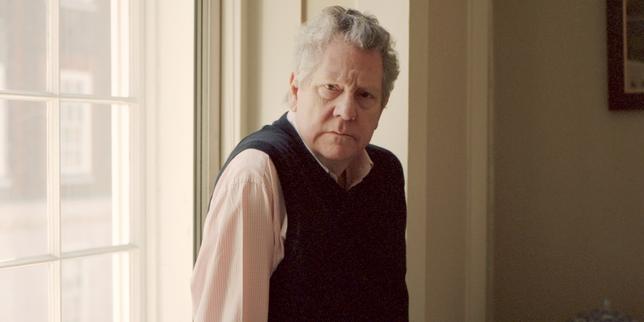
History is not a polite dinner party. It is a forensic cleanup of a crime scene where the perpetrators are often the ones who wrote the initial report. When the mainstream press fawns over Andrew Lownie as a "historian of royal scandals" or a brave whistleblower fighting the Cabinet Office for redacted files, they are missing the forest for the trees. The narrative surrounding Lownie is that he is an outsider, a renegade digging through the mud to find the truth about Mountbatten or the Windsors.
That is a comforting lie.
Lownie isn’t breaking the system; he is the system’s most efficient pressure valve. By focusing on "scandals"—the tawdry details of Mountbatten’s private life or the Duke of Windsor’s Nazi flirtations—we are being diverted from the actual machinery of power. We are being fed a diet of high-stakes gossip masquerading as academic rigor. It keeps the public looking at the bedroom door while the vault remains locked and the structural inequality of the British state stays hidden in plain sight.
The Myth of the Taboo Historian
The media loves a David vs. Goliath story. They frame Lownie’s legal battles over the Mountbatten diaries as a heroic crusade for transparency. It makes for great headlines. "The historian they tried to silence" sells books. But let’s look at the logic. If the British state truly wanted to bury information that threatened its survival, Andrew Lownie wouldn't be doing the rounds on French and British talk shows. He’d be facing the same chilling silence as whistleblowers who actually touch the third rail of intelligence or defense.
The "scandals" Lownie uncovers are safe. They are historical. They involve people who are dead. More importantly, they individualize systemic rot. When we talk about Lord Mountbatten’s alleged predilections or his strategic failures in India, we are talking about one man. We are not talking about the institutional failure of the British Empire or the inherent absurdity of an unelected head of state.
By framing these revelations as "reproaches of gossip," Lownie and his defenders create a false dichotomy. You are either a stuffy, establishment hagiographer or you are a gritty, truth-telling biographer. This ignores the third option: the historian as an entertainer who provides the illusion of scrutiny while reinforcing the celebrity status of the royals.
Gossip Is the New Currency of Deference
We are told that Lownie has brought the royals "back into grace" by humanizing their flaws. This is a profound misunderstanding of how power works in the 21st century. In the past, the monarchy survived through distance and mystique—the "magic" that Walter Bagehot famously warned would disappear if you let in daylight.
Today, the monarchy survives through overexposure.
The "scandal" is the product. When Lownie uncovers evidence of the Duke of Windsor’s treachery, it doesn't lead to a republican uprising. It leads to a Netflix documentary. It feeds the content maw. Gossip isn't the enemy of the Crown; it is its life support. As long as we are debating whether a certain Royal was a "naughty boy" or a "traitor," we are accepting the premise that their personal lives are of national importance.
I’ve seen this play out in the publishing world for decades. The biggest "bombshells" are often the ones the establishment is most comfortable with. They provide a sense of movement and "progress" in our understanding of history without requiring us to change anything about the present. It’s the historical equivalent of a "limited hang-out"—a spy term for revealing a small, damning truth to prevent the discovery of a much larger, more dangerous one.
The Freedom of Information Trap
Lownie’s expensive battle for the Mountbatten archives is often cited as a win for the public’s right to know. He spent hundreds of thousands of pounds to force the release of papers that should have been public decades ago.
But consider the precedent this sets. It doesn't democratize history; it privatizes it. If the only way to get the truth out of the government is to have a massive legal war chest and a literary agent, then the truth is only available to the elite.
Furthermore, the focus on the "secret files" creates a fetishization of the archive. We assume that the "real" history is hidden in a dusty box in Hampshire. This is a distraction. The most damning evidence of how power functions is usually out in the open, in the public record, ignored because it isn't "juicy" enough. We don't need a FOIA request to understand the catastrophic impact of Partition or the constitutional anomalies of the Privy Council. But those things don't sell biographies. Scandals do.
The Biographer’s Bias
There is an inherent conflict of interest in the "historian of scandals" model. To write a compelling biography, you need a protagonist. You need drama. You need an arc. This naturally leads to the "Great Man" theory of history, even if the "Great Man" is being portrayed as a villain.
By focusing on the personality of Mountbatten or the Queen Mother, Lownie reinforces the idea that history is shaped by the whims and neuroses of individuals. It’s a shallow, cinematic view of the world. It ignores the economic forces, the bureaucratic inertia, and the class structures that actually drive events.
If you want to understand the British state, don't read about who Mountbatten was sleeping with. Read about land ownership. Read about the flow of capital through the City of London. Read about the legal fictions that allow the Duchy of Cornwall to exist. But Lownie doesn't write about those things. Why? Because they are boring. And in the marketplace of ideas, "boring but essential" loses to "scandalous but trivial" every single time.
Challenging the "Ragots" Defense
Lownie often complains that he is accused of "peddling gossip." His defense is that he is just following the evidence where it leads. This is a classic rhetorical dodge.
The choice of where to look is itself an act of bias. If you spend your career looking for the skeletons in the royal closet, you will find them. But you are also choosing to validate the closet as the most important room in the house.
The real danger isn't that Lownie is telling lies. It's that he's telling the wrong kind of truths. He’s providing a sophisticated version of the tabloids for people who think they’re too smart for the tabloids. It’s "intellectualized prurience."
Why We Should Stop Applauding
The "return to grace" of the scandal-historian isn't a sign of a healthier, more transparent society. It’s a sign of a society that has given up on structural change and settled for character assassination.
We don't need more "rebel" historians digging through the sex lives of dead aristocrats. We need historians who dismantle the myths of the institutions themselves. We need people who aren't afraid to be boring if it means being accurate about how power is actually wielded.
Lownie is a master of his craft. He knows how to navigate the archives and the media landscape. But don't mistake his personal vendettas against the Cabinet Office for a revolutionary act. He is simply the latest in a long line of court chroniclers, even if he’s writing in the mud rather than the gold leaf.
The next time you see a headline about a "shocking new discovery" regarding a royal scandal, ask yourself: Who does this disclosure actually hurt? If the answer is "no one currently in power," then it isn't a discovery. It's a distraction.
Stop looking for the hidden diary. Start looking at the public balance sheet. The truth isn't buried in a basement in Broadlands; it’s sitting right in front of you, waiting for you to stop being distracted by the "ragots" and start paying attention to the machinery.
The British establishment doesn't fear the historian who uncovers a secret affair. It fears the historian who makes the public realize that the affair doesn't matter, because the system that produced it is what needs to be demolished.
Andrew Lownie hasn't been "reproached" for gossip; he’s been rewarded for it. He is the ultimate insider, providing the exact type of "dissent" that the status quo can not only tolerate but thrive upon. If this is the "return to grace" for royal history, then history is in a state of absolute disgrace.
Stop reading the bedroom notes. Start reading the room.