Opera isn't dying, it's just been waiting for a better invitation. For years, the industry has fretted over graying audiences and the supposed "inaccessibility" of four-hour epics sung in languages most people haven't studied since high school. But walk into the Royal Opera House or the Met this season and you'll see something that was unthinkable five years ago: rows of twenty-somethings in avant-garde streetwear, humming melodies that feel suspiciously like a TikTok trend.
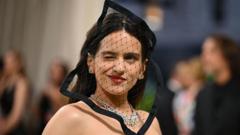
The secret weapon behind this shift isn't a new marketing director or a flashy digital app. It’s a Spanish pop star who refuses to stay in her lane. Opera bosses are now openly crediting Rosalía for a massive "surge of support" that’s revitalizing the artform. It's not just about her music; it's about how she’s destroyed the wall between "high art" and global pop.
The Rosalía effect is real
If you haven’t been paying attention to her latest album, LUX, you’ve missed a cultural pivot point. The lead single, "Berghain," isn't just a pop song with a few violins thrown in for flavor. It’s a maximalist, operatic explosion that features Rosalía singing in German alongside a towering choir. It sounds like Vivaldi met a warehouse rave and decided to start a revolution.
Directors at major houses, including the Welsh National Opera (WNO), have noted that the "opera aesthetic" is suddenly everywhere. When an artist of Rosalía’s stature—someone who has won two Grammys and eleven Latin Grammys—publicly embraces the technical rigors of classical vocal training, the world listens. She’s made the "posh" gatekeeping of opera look outdated. Suddenly, singing in thirteen different languages isn't a barrier; it’s a flex.
Why the youth are finally showing up
Let’s be honest. Opera has a branding problem. People think it’s for folks who drink champagne at intermission and judge you for clapping at the wrong time. Rosalía changed that by proving classical elements can be raw, visceral, and—most importantly—cool.
- Vocal athletic prowess: Fans see Rosalía’s lung capacity and technical control and realize opera singers are basically the Olympic athletes of the music world.
- Visual storytelling: Her LUX tour turned into a piece of performance art that mirrors the grand stagings of the 19th century, making 18th-century drama feel relevant to 2026.
- Language as a texture: By singing in German, Latin, and Spanish across her discography, she’s trained a generation of listeners to appreciate the sound of a voice even when they don't understand every word.
The impact is showing up in the books. The global opera market was valued at roughly $3.8 billion in 2025 and is on track to hit $6.1 billion by 2034. That 5.4% growth rate doesn't happen because of traditionalists. It happens because a new demographic is buying tickets.
Critics are mad and that’s a good sign
Whenever a pop star touches "pure" art, the purists lose their minds. Some critics have called her work "musical kitsch" or complained that her use of electronic amplification means it’s not "real" opera. Honestly, let them complain.
The reality is that opera has always survived by evolving. If we kept it in a vacuum, it would eventually become a museum piece. Rosalía is treating opera like a living, breathing language. She’s collaborated with names like Caroline Shaw, a Pulitzer Prize-winning composer, to ensure the classical foundation is solid. This isn't a cheap gimmick; it's a deep study.
The "Timothée Chalamet controversy" earlier this year also played a weirdly helpful role. When comments about ballet and opera being "elitist" went viral, it sparked a massive defense of the arts. People didn't just tweet about it; they bought tickets to see what the fuss was about. Combine that social media heat with Rosalía’s artistic credibility, and you have a perfect storm for a box office boom.
It is about the feminine perspective
One of the biggest shifts we’re seeing in 2026 is how opera is being reinterpreted through a modern lens. Traditionally, many operas are written from a male perspective, often ending with a female lead meeting a tragic, dramatic end.
Rosalía’s LUX flips the script. She draws inspiration from female saints like Hildegard of Bingen and Rabia Al-Adawiya. She’s giving the audience a way to connect with the divine and the dramatic without the baggage of 200-year-old tropes. Young women in the audience are seeing themselves in these stories for the first time. That’s a powerful driver for ticket sales that no "Opera for Beginners" brochure could ever match.
How to actually get into opera now
If you’re one of the thousands of people who found their way to a theater because of a "Berghain" remix, don't overthink it. You don't need a tuxedo, and you don't need to read the entire libretto beforehand.
- Follow the sound, not the history: If you liked the choral intensity of Rosalía’s new tracks, look for Carl Orff’s Carmina Burana or the baroque energy of Vivaldi.
- Use the streaming boom: The Met recently signed a $45 million digital licensing deal. Use these platforms to watch a performance from your couch before you commit to a three-hour live show.
- Check out the "Live in HD" series: Most major cities have cinemas that broadcast live performances. It’s cheaper, you can eat popcorn, and you get close-ups that you’d never see from the back of the balcony.
Opera is currently experiencing its most significant cultural reset in half a century. Whether you think it’s "real" opera or not doesn't matter as much as the fact that the seats are full. Rosalía didn't just give the artform a surge of support; she gave it a future. Stop worrying about the etiquette and just go see a show.