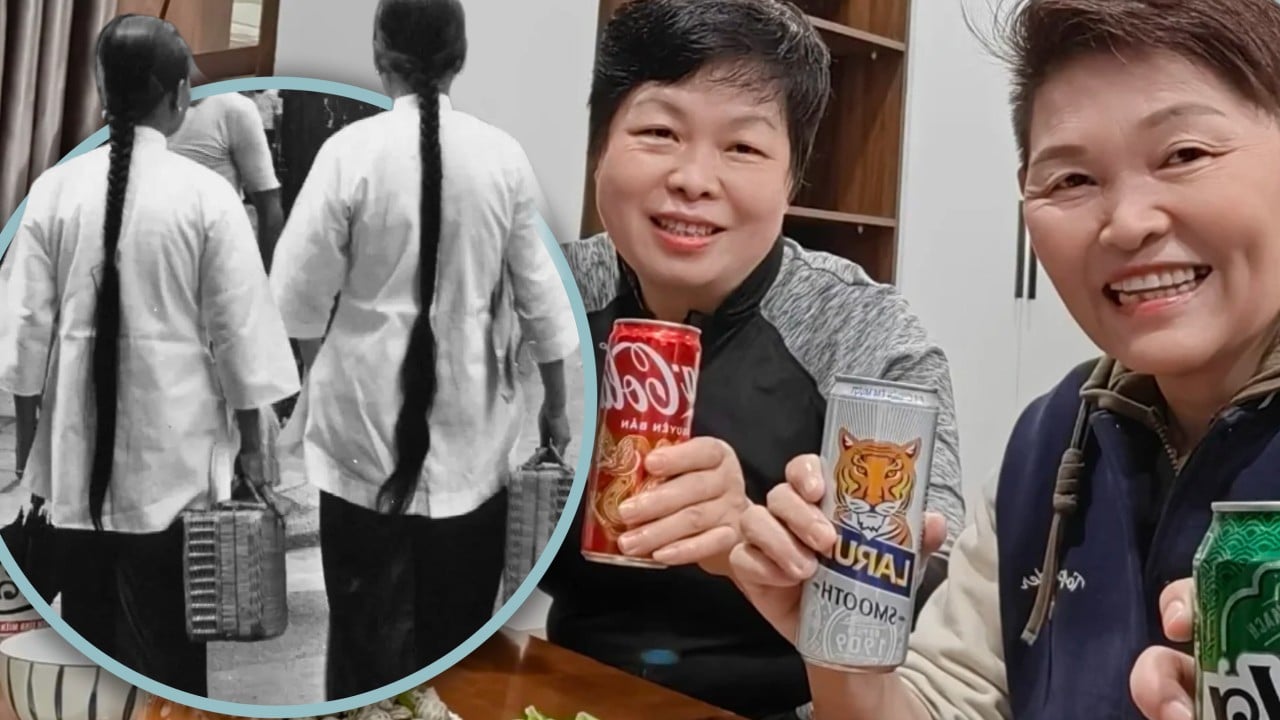
In the high-rise apartments of Chengdu, Shanghai, and Guangzhou, a quiet rebellion is taking up residency. It does not involve street protests or political manifestos. Instead, it manifests in shared grocery bills, co-signed leases, and the deliberate exclusion of the traditional nuclear family structure. Chinese women are increasingly choosing to live in "all-female tribes," pooling their financial resources and emotional labor to create a safety net that the state and traditional marriage have failed to provide.
This is not a fleeting trend among college students. It is a calculated survival strategy for professional women in their thirties and forties. They are looking at the rising costs of elder care, the staggering pressure of the "996" work culture, and the legal vulnerabilities of the marriage law, and they are opting out. They are choosing "sisterhood" over the "bride price."
The Financial Calculus of Cohabitation
The primary driver here is economic. For decades, the path to middle-class stability in China was paved with a marriage certificate and a deed to an apartment. But the property market has shifted. With real estate prices remaining prohibitively high in Tier-1 cities, the dream of the "single female homeowner" is becoming harder to achieve on a single salary.
By forming co-housing pacts, these women are effectively "hacking" the urban economy. They share the burden of skyrocketing rents. They distribute the costs of utilities and high-speed internet. More importantly, they provide a hedge against the precariousness of the modern Chinese job market. In a corporate environment where a sudden layoff can happen via a Friday evening WeChat message, having three or four roommates who can cover your portion of the rent for a few months is a more reliable insurance policy than a government subsidy.
This is a shift from individualistic consumption to collective resilience. They aren't just roommates; they are a decentralized economic unit. They buy in bulk, they share commute costs, and they reinvest their savings into personal pension funds or health insurance rather than a husband’s family assets.
The Legal Trap of the Traditional Home
To understand why women are fleeing toward each other, one must understand what they are fleeing from. The legal landscape for married women in China has become increasingly treacherous. Following the 2011 judicial interpretation of the Marriage Law, property often stays with the person whose name is on the deed—typically the man, or his parents who provided the down payment.
If a marriage dissolves, a woman who contributed her salary to the household for a decade might walk away with nothing but her clothes. This "legalized precarity" has soured the appeal of the traditional domestic setup. In a female-led cohabitation agreement, the terms are often more transparent. Contracts are drawn up. Ownership is shared or clearly partitioned. There is no "hidden" labor where a woman manages a household for free while her partner builds equity.
Redefining the Safety Net
China is aging faster than almost any society in history. The "4-2-1" family structure—four grandparents, two parents, and one child—is a demographic pressure cooker. For a single woman, the prospect of managing the decline of two parents alone is terrifying.
The female tribes are building an alternative to the state-run nursing home. They are experimenting with "mutual aid" retirement models. They promise to care for one another as they age, acting as each other’s healthcare proxies and emergency contacts. This isn't just about company; it’s about logistics. They coordinate hospital visits. They share the mental load of managing aging parents.
The Social Cost of Autonomy
It is not a utopia. The Chinese state still centers its social and tax policies on the married couple. Single women often face hurdles in accessing certain reproductive technologies or social benefits. There is also the "filial" pressure. Living with "sisters" is often viewed by older generations as a temporary phase, a failure to launch into a "real" life.
The women in these communities have to develop a thick skin. They are often labeled "leftover," but they are reclaiming the term. They argue that they aren't what's left over; they are what's moving forward. They are the ones who looked at the available options and decided to build something new.
The Micro-Politics of the Kitchen Table
In these homes, the division of labor is a matter of negotiation, not tradition. There is no "natural" person to do the dishes or scrub the floors based on gender. This requires a high level of communication and conflict resolution.
Some groups use apps to track household chores and expenses to the cent. Others have weekly "state of the union" meetings to discuss grievances. This level of intentionality is rarely found in traditional marriages, where roles are often dictated by centuries of unspoken expectations. By stripping away the gendered script, these women are forced to build a culture of genuine consent and cooperation.
Why This Matters for the Global Economy
The shift toward female cohabitation in China is a leading indicator of a global phenomenon. As marriage rates plummet in Japan, South Korea, and the West, the "roommate for life" model will likely become a standard housing category.
Developers are beginning to take notice. We are starting to see the emergence of "co-living" spaces designed specifically for independent women, featuring enhanced security, shared professional spaces, and communal kitchens. This isn't just a lifestyle choice; it's an emerging market.
The "women living together" narrative is often treated as a heartwarming human-interest story. It is actually a cold-blooded assessment of risk. When the traditional structures of society—marriage, the state, the corporation—no longer provide security, people will always find a way to group together for survival. In China, the women are simply the first to realize that the old deal is dead.
Invest in your own legal literacy and start the conversation with your inner circle about long-term financial interdependence before the next economic contraction makes the choice for you.