The Charity Industrial Complex Has a Branding Problem
We love a saint. Especially a saint with a rocketship.
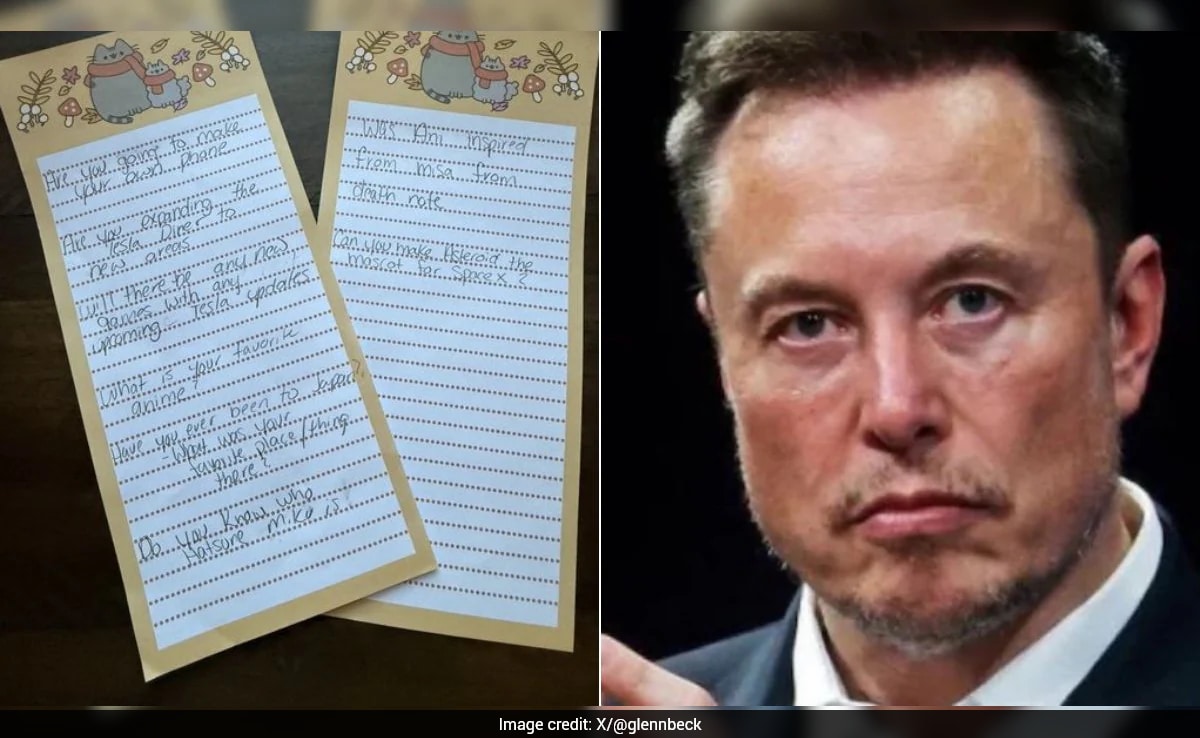
The latest viral cycle involves Elon Musk honoring a deceased teenager’s final wish. The headlines are predictably soft. They frame it as a moment of pure, unadulterated humanity from a man usually depicted as a cold, calculating machine. The "lazy consensus" here is simple: a billionaire did something nice, it went viral, and we should all feel a little warmer inside.
That narrative is a lie.
It isn't a lie because the act didn't happen. It's a lie because of what it ignores. When we obsess over these micro-acts of digital-age chivalry, we are participating in a carefully managed performance of "saviorism" that protects the status quo. I have spent years watching tech giants burn through eight-figure PR budgets to humanize CEOs who make decisions that impact millions. This isn't just a "nice gesture." It’s an optimization of sentiment.
The Myth of the "Biggest Dream"
The competitor articles focus on the emotional weight of a "biggest dream" being met. This framing is inherently flawed. It reduces the personhood of a terminal patient to a consumer of a celebrity's presence.
Why is the "biggest dream" of a dying child to meet a billionaire?
We have successfully engineered a culture where net worth is synonymous with worthiness. We've replaced traditional spiritual or community-based final wishes with the desire to be acknowledged by the architects of our digital cages. When a tech mogul "honors" a wish post-mortem, they aren't just fulfilling a request; they are validating their own mythos.
Consider the mechanics. A post goes viral. The algorithm pushes it because it hits the high-arousal triggers of "sadness" and "hope." The CEO responds. The internet claps. The brand equity of the company rises. It’s a closed-loop system where the actual human at the center is a catalyst for engagement metrics, not the point of the exercise.
Logic vs. Sentiment: The Opportunity Cost of Viral Philanthropy
Let’s talk about the math that these feel-good pieces refuse to touch.
In economics, we look at opportunity cost. While the world spends three days discussing a single interaction between a billionaire and a grieving family, the structural issues that lead to inadequate healthcare or social safety nets remain unaddressed.
- The Scale Problem: If a billionaire helps one person, it’s a headline. If they use their political capital to lobby for systemic changes that would help ten thousand, it’s a "regulatory headache."
- The Arbitrary Nature of Viral Mercy: Why this teen? Because the post went viral. This creates a lottery of compassion. In this system, you don't get help because you need it; you get help because you are "marketable" enough to generate a PR win for the benefactor.
I’ve seen this play out in boardrooms. We call it "Humanization via Exception." You find one outlier case, solve it publicly, and use that as a shield against criticisms of your broader business practices. It’s effective. It’s also cynical.
Precision in Definitions: Charity vs. PR
We need to stop using these terms interchangeably.
- Charity is a private act intended to alleviate suffering without the expectation of a return.
- Public Relations is the management of public perception to ensure the longevity of an entity.
When the interaction is broadcast, shared, and used to "trend," it moves from the category of charity into the category of a marketing asset. If the goal was purely to honor a wish, it could be done in silence. The fact that it becomes a post that "goes viral" is a feature, not a bug.
The Problem with "People Also Ask" Premises
The standard questions people ask about these stories are usually: "Is Elon Musk actually a nice guy?" or "How do I get a celebrity to see my post?"
These are the wrong questions.
The first question assumes that "nice" is a relevant metric for people who control the global infrastructure of communication and transport. It doesn't matter if he’s nice. It matters how his power is checked. The second question is even more dangerous. It encourages people in crisis to become "content creators" just to receive basic empathy or support.
If you are teaching a family that the only way to get a "dream" fulfilled is to gain 100,000 retweets, you are teaching them that their value is tied to their ability to entertain or move an audience. That is a brutal, dystopian requirement for receiving a final kindness.
The Nuance of the Parasocial Bond
The reason these stories work is because of the parasocial relationship we have with tech figures. We don't see them as executives; we see them as characters in a long-running reality show.
Musk, in particular, has mastered the "Relatable God" archetype. He memes. He trolls. He acts "human." When he grants a wish, it feels to his followers like a friend doing a favor, rather than a titan of industry managing his brand. This blurring of lines makes it impossible for the average reader to view the event with any level of critical distance.
I've worked with founders who have literally scheduled "spontaneous" acts of kindness months in advance. They have spreadsheets for "Human Moments."
Imagine a scenario where a company’s internal Slack channel tracks the "Viral Potential" of a tragedy. It isn't a theory; it’s a standard operating procedure in high-level reputation management. If the data shows that responding to a specific tragedy will yield a 4% bump in positive sentiment among a key demographic, the "heartfelt" response is drafted by a team of three copywriters and two legal consultants before the CEO even sees the original tweet.
The Danger of Validating "Hero" Narratives
By praising these moments without skepticism, we reinforce a "Great Man" theory of history that is fundamentally broken. We shouldn't be living in a world where a teenager’s "biggest dream" is to have a 30-second interaction with a person who owns a social media platform.
We should be asking why our culture has failed to provide more meaningful aspirations. We should be asking why we allow the ultra-wealthy to act as the ultimate arbiters of who is worthy of a "miracle."
The contrarian truth is that every time we click "share" on one of these stories, we are voting for a world where basic human dignity is a prize won by the loudest voices on the internet. We are subsidizing the PR budgets of the world's richest men with our own emotional labor.
Stop Falling for the Staged Humanity
The next time you see a headline about a billionaire "honoring a wish," look past the sentiment.
Ask yourself:
- Who benefits from this story being told?
- What was the company’s stock price doing that week?
- What legislative or legal battle were they trying to distract us from?
This isn't about being a cynic for the sake of it. It’s about being a realist in an age of manufactured authenticity. Trust the data, not the dopamine hit.
The teen’s wish might have been genuine. The response might have even had a grain of sincerity in it. But the story? The story is a product. And you are the consumer.
Stop buying it.