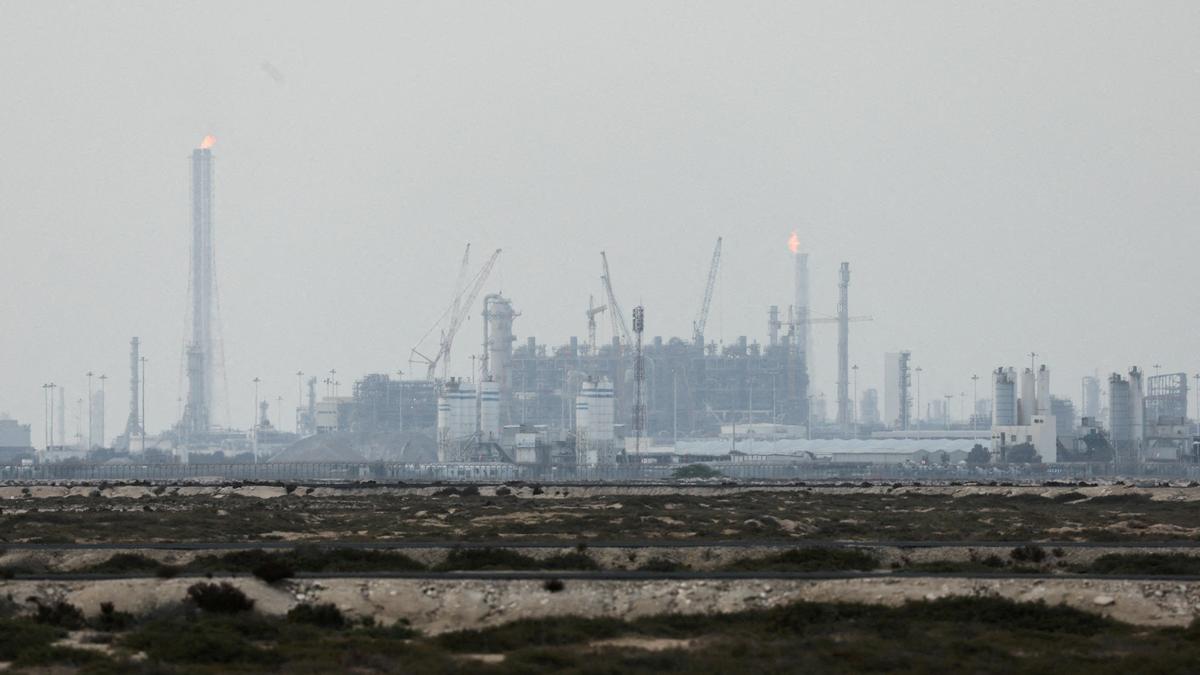
The air in the Orinoco Belt doesn’t just smell like oil; it smells like heavy, sour history. For decades, the black sludge beneath the Venezuelan soil has been a promise that refused to be kept. It is some of the densest crude on the planet, so thick it barely moves without chemical help, a literal metaphor for a nation’s frozen potential. But in boardrooms thousands of miles away, a few signatures on a document are beginning to heat that sludge back into motion.
The United States has spent years tightening a noose of sanctions around Petróleos de Venezuela, S.A., better known as PDVSA. The goal was simple: choke the revenue of a government it deemed illegitimate. It worked, in a cold, mathematical sense. Production plummeted. Refineries turned into rusted cathedrals of decay. The global market learned to live without the four million barrels a day Venezuela once dreamed of producing.
Then, the world changed.
A war in Ukraine turned the global energy map into a frantic scramble for alternatives. Prices at the pump in Ohio and California became political liabilities. Suddenly, the moral clarity of sanctions met the cold reality of a supply squeeze. The Biden administration didn't just wake up and decide to be friends with Caracas; they looked at a map, looked at a spreadsheet, and realized that a world starving for energy cannot afford to leave the world’s largest oil reserves locked in the basement.
The Ghost in the Machine
Consider a worker named Elias. He is a hypothetical composite of the thousands of engineers still haunting the halls of PDVSA’s facilities. For five years, Elias has shown up to a plant where the spare parts are scavenged from even older machines. He has watched his salary lose its value between breakfast and lunch. To Elias, "sanctions" aren't a policy tool discussed on cable news. They are the reason the valves on Tank 4 are seized shut.
When the U.S. Treasury Department issued General License 44, it wasn't just a memo. It was a signal to the ghosts in the machine. This license authorized transactions involving the oil and gas sector in Venezuela, effectively pausing the most crippling restrictions. For the first time in a generation, American dollars could legally flow back into those rusted pipes.
The logic is a calculated gamble. By allowing Venezuela to sell its oil to the open market—specifically to the U.S. Gulf Coast refineries that were literally built to process this specific type of heavy crude—the administration hopes to achieve two things. First, it wants to stabilize global prices by increasing supply. Second, it wants to use this economic breathing room as a leash, pulling the Venezuelan government toward fairer elections.
It is a trade: oil for democracy.
The Friction of Reality
But you cannot simply flip a switch and expect the oil to flow like a fountain. If you leave a car in a driveway for five years without turning the engine, the battery dies, the tires rot, and the fuel turns to varnish. PDVSA is that car, but scaled up to the size of a country.
The infrastructure is in shambles. To get back to even half of its former glory, Venezuela needs billions in immediate investment. This is where the narrative of a "quick fix" for global energy prices begins to crack. The sanctions relief is a window, not a door. It has a duration—originally six months—with the threat of a "snapback" if political benchmarks aren't met.
Would you invest five billion dollars in a refinery if you knew the rules might change again in 180 days?
Probably not. Large-scale oil companies like Chevron have stayed in the country under very specific, narrow licenses, but they aren't reckless. They move with the caution of a person walking across a frozen lake, listening for the sound of cracking ice. The "squeeze" on global energy might be urgent, but the recovery of a collapsed petro-state is a marathon run through a swamp.
The Invisible Stakes
We often talk about oil as if it’s just a commodity, like wheat or copper. It isn’t. Oil is the blood of modern geopolitics. When the U.S. relaxes its grip on PDVSA, it isn't just about the price of a gallon of gas in a suburb. It’s about shifting the gravitational pull of a whole hemisphere.
For years, with the U.S. market closed, Venezuelan oil went east. It went to China, often through back-channel "teapot" refineries, sold at massive discounts to cover the risk of the transaction. It went to Russia. By easing sanctions, the U.S. is attempting to pull Venezuela back into the Western orbit. It is an admission that in the theater of global power, sometimes you have to deal with the person you like least to prevent the person you fear most from gaining ground.
The stakes are found in the migration patterns of South America. When the Venezuelan economy collapsed, millions fled. They walked across the Andes; they crowded into buses headed for Bogota, Santiago, and eventually, the U.S. border. If the oil industry recovers even slightly, if the currency stabilizes because of those US dollars, maybe—just maybe—the tide of human desperation slows down.
The policy is a lever. It's a heavy, iron lever that takes a lot of muscle to move.
The Fragility of the Moment
The skepticism is earned. Critics argue that easing the squeeze only serves to enrich a regime that has shown no interest in true reform. They see it as a betrayal of the democratic activists who have risked everything. This is the moral tax of realpolitik. It’s messy. It’s inconsistent. It feels like a compromise because it is one.
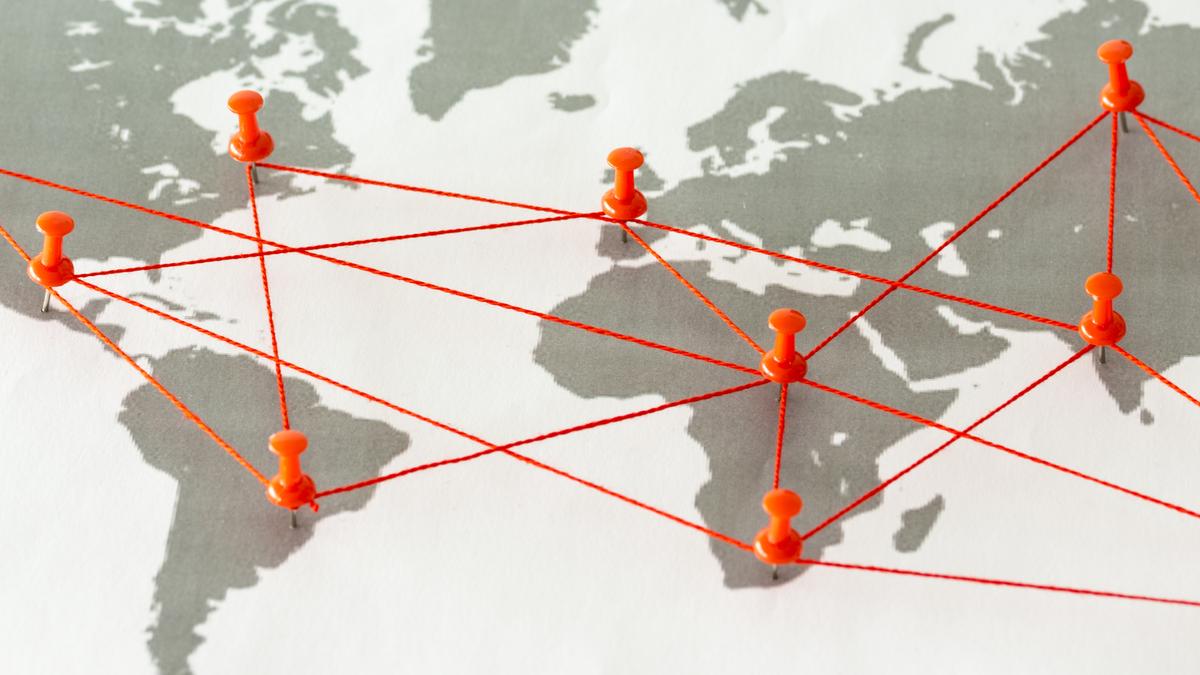
The reality is that we live in an interconnected web where a cold winter in Europe, a drone strike in the Middle East, and a broken pump in the Orinoco are all part of the same story. You cannot isolate one without the others vibrating.
The U.S. is betting that the world’s hunger for energy is a stronger catalyst for change than the isolation of a pariah state. It is a pivot from "maximum pressure" to "managed engagement." Whether it works depends less on the wording of the Treasury’s licenses and more on whether the trust can be rebuilt in a land where the ground is soaked in broken promises.
Elias, our composite worker, stands on the catwalk of a refinery tonight. He hears the low hum of a generator that finally got the lubricant it needed. He doesn't know if the sanctions will stay gone or if they will return with the next political cycle. He only knows that for tonight, the pressure in the pipe is holding.
The world waits to see if the flow continues or if the ice cracks beneath the feet of those trying to cross it.