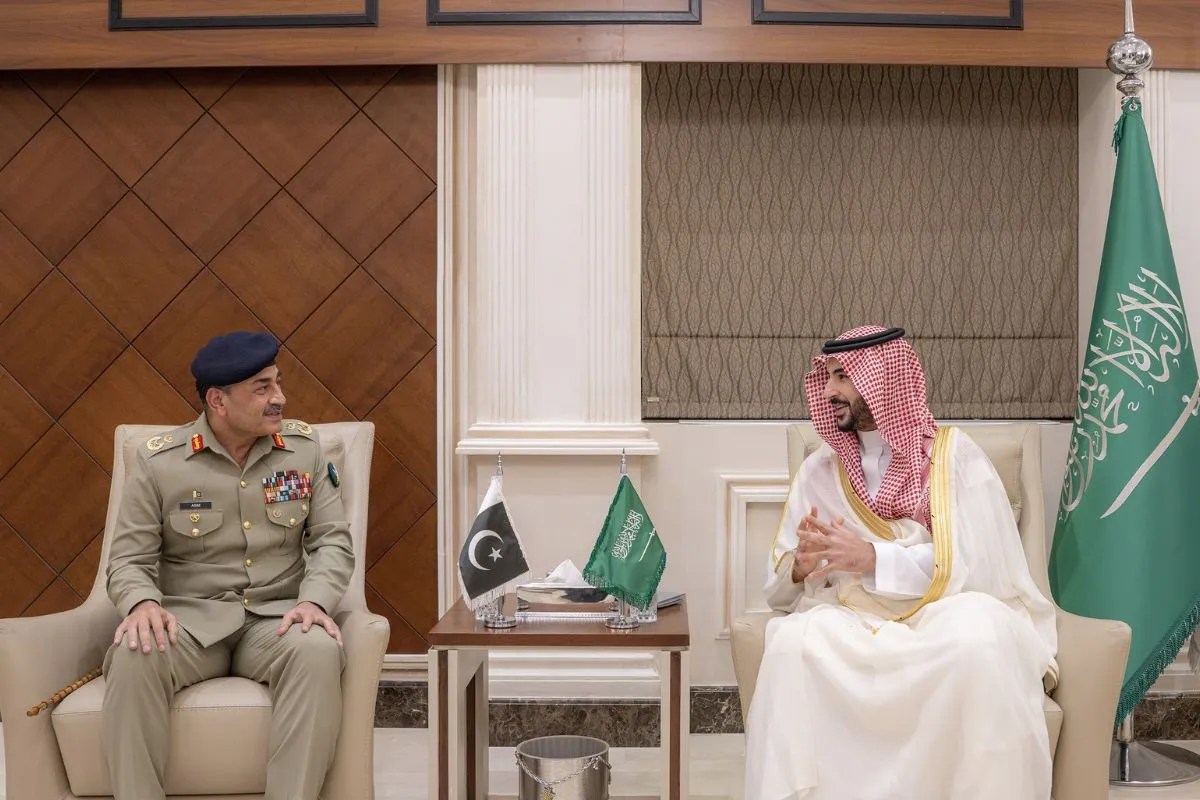
General Asim Munir just landed in Riyadh and the internet is already losing its mind. People are asking if Pakistan is prepping for a military showdown with Iran. It's a valid question when you see the Pakistani Army Chief shaking hands with Saudi Defense Minister Prince Khalid bin Salman. But the reality is far more boring and complicated than a simple "yes" or "no." Pakistan isn't looking for a new war. They can't afford one.
The speculation started because of the timing. Tensions between Islamabad and Tehran have been twitchy since the exchange of missile strikes in early 2024. Then you have the Saudi-Iran rivalry which, despite a China-brokered truce, remains a cold competition for influence. When Munir flies to Saudi Arabia, people assume it's about picking sides in a regional cage match. It's not. It's about money, survival, and keeping the Gulf happy while Pakistan's economy sits in the intensive care unit.
The Saudi connection is about deep pockets not just bullets
Pakistan and Saudi Arabia have a defense pact that goes back decades. This isn't news. What’s different now is Pakistan’s total dependence on Saudi financial lifelines. General Munir isn't just a military leader in the traditional sense. He's basically the country's chief investment officer right now. He’s the face of the Special Investment Facilitation Council (SIFC).
When he meets Saudi leadership, he's talking about the "Green Pakistan" initiative and mining projects in Balochistan as much as he's talking about infantry tactics. Saudi Arabia has promised billions in investments. They want stability to ensure their money doesn't vanish. A war with Iran would torch those investment plans. Why would the Saudis push Pakistan into a conflict that destroys the very stability they're trying to buy? They wouldn't. It makes zero sense.
Why Pakistan cannot afford a conflict with Iran
Let's look at the math. Pakistan is struggling with a massive debt-to-GDP ratio and is constantly knocking on the IMF's door. A war requires fuel, ammo, and a functional supply chain. Pakistan has a 900-kilometer border with Iran. Opening a permanent front there while already dealing with a heated Line of Control with India and a messy border with Afghanistan is a strategic nightmare.
The Pakistani military high command knows this. They aren't stupid. They've spent the last year trying to "reset" the relationship with Tehran after the January skirmishes. We saw the Iranian President visit Islamabad shortly after those strikes. That wasn't for show. It was a mutual "let's not do that again" pact.
Iran is also a major source of smuggled petroleum and electricity for Pakistan’s border provinces. If a full-scale war breaks out, the lights go out in half of Balochistan. General Munir knows that domestic instability is a bigger threat than Iran is. You don't start a war when your own house is catching fire.
The role of the Saudi Defense Minister
Prince Khalid bin Salman isn't just a royal; he’s the guy managing the modernization of the Saudi military. Saudi Arabia wants Pakistani expertise. They've hired retired Pakistani generals for years. They want training. They want joint exercises.
When Khalid bin Salman and Asim Munir meet, they’re discussing the "Islamic Military Counter-Terrorism Coalition." This isn't an anti-Iran hit squad. It’s a framework for sunni-led states to manage internal threats and militancy. For Pakistan, being part of this club is a status symbol. It says "we're still a regional power" even when the bank account says otherwise.
Middle East geopolitics are shifting
The old "Sunni vs Shia" narrative is getting dusty. It's too simple. Saudi Arabia is busy building Neom and trying to turn Riyadh into the new Dubai. They need the region to stay quiet. Iran is trying to bypass Western sanctions and build its own trade corridors.
Pakistan is caught in the middle. Islamabad’s policy has always been "strategic neutrality" between Riyadh and Tehran. They’ve failed at it before, but right now, they're sticking to it because they have no other choice. If Pakistan joins a war against Iran, they lose their path to Central Asian markets. If they snub Saudi Arabia, they lose their next IMF bailout. It's a tightrope walk.
What this means for the average observer
Don't believe the clickbait. A meeting between a General and a Defense Minister is a standard Tuesday in international relations. Yes, they discussed "defense cooperation." Yes, they talked about "regional security." That’s code for "we're making sure our interests are aligned so nobody does anything impulsive."
The real story isn't a coming war. The real story is how Pakistan is using its military prestige to secure its economic future. General Munir is selling security to the Saudis in exchange for dollars. It’s a transactional relationship that has kept Pakistan afloat for fifty years.
If you're watching the news, look for mentions of SIFC or "mineral investments" following this trip. Those are the real indicators of success. Military hardware might be the backdrop, but the script is all about the economy.
Keep a close eye on the border trade at Taftan. If the trucks keep moving and the gas keeps flowing, there’s no war coming. The rhetoric in Riyadh is designed to show strength, but the policy in Islamabad is focused on staying solvent. Watch the money, not the medals. Use official government portals or verified regional analysts like those from the Middle East Institute to track investment flows rather than reacting to every high-level handshake. That’s where the truth is hiding.