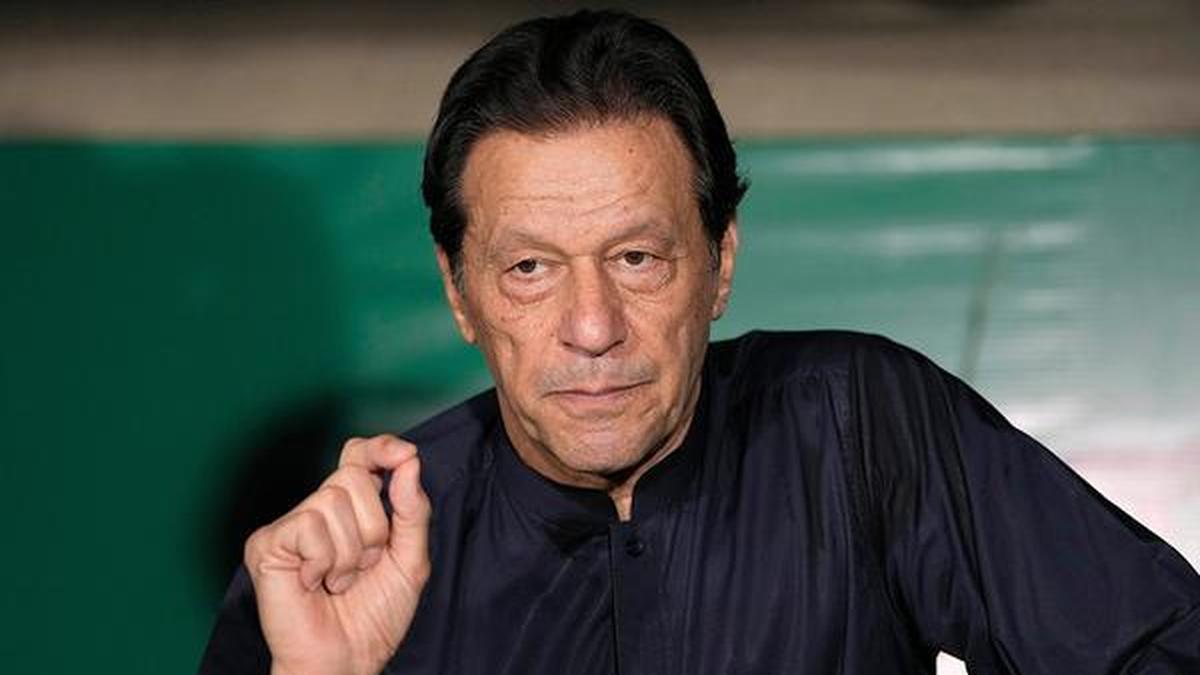
The political temperature in Pakistan just hit a boiling point. Again. On Saturday, March 7, 2026, an anti-terrorism court in Rawalpindi handed down a 10-year prison sentence to 47 prominent figures from the Pakistan Tehreek-e-Insaf (PTI). This isn't just another legal hurdle for Imran Khan's party; it's a massive, coordinated strike against the party’s remaining top tier.
If you’re wondering why this matters now, it’s because these sentences aren't for fresh crimes. They're tied to the chaotic May 9, 2023, riots. You remember those—the day the country's military headquarters were breached after Khan's arrest. By sentencing these 47 leaders and supporters to a decade behind bars, the state is making a loud, unmistakable statement: there’s no moving on from that day.
The Verdict and the Big Names Involved
Judge Amjad Ali Shah didn't hold back in his 16-page judgment. He sentenced the group not just to time in a cell, but also slapped each with a PKR 500,000 fine. If they don't pay? They’ll stay inside even longer. The court also ordered the state to seize their property. It’s a total financial and political lobotomy for those involved.
The list of the convicted reads like a "Who’s Who" of the PTI leadership. We’re talking about:
- Omar Ayub Khan (the current Leader of the Opposition)
- Shibli Faraz (a heavyweight in the Senate)
- Zulfi Bukhari
- Shahbaz Gill
- Murad Saeed
- Hammad Azhar
- Zartaj Gul
Most of these people weren't even in the room. The court sentenced them in absentia. This means they were tried while being "proclaimed offenders"—basically, the state says they’ve been hiding to avoid the law.
The prosecution’s case centered on the idea that these weren't just random acts of anger. They argued it was a calculated conspiracy. According to the Joint Investigation Team (JIT) reports, these 47 individuals planned and incited the attacks on the General Headquarters (GHQ) Gate No. 1, the Army Museum, and the Hamza Camp.
The Trial in Absentia Controversy
You might think a trial without the defendants present sounds a bit sketchy. You aren't alone. The PTI has already called the move a "dark stain" on the justice system. They argue that without cross-examining witnesses or presenting a proper defense, the trial is basically a one-sided conversation.
Honestly, the court knew this criticism was coming. In the judgment, Judge Shah actually spent a significant amount of time justifying why he went ahead. He cited legal precedents from the US Supreme Court and the European Court of Human Rights to argue that if defendants "wilfully" stay away from their own trial, the court has a right—and a duty—to finish the job.
The judge noted that many of these leaders were attending the trial initially at Rawalpindi’s Central Jail but stopped showing up right when the final witnesses were being recorded. From the court's perspective, they were trying to stall the inevitable.
What This Means for Pakistan's Political Map
This isn't happening in a vacuum. Most of these leaders, like Omar Ayub and Shibli Faraz, are already dealing with a mountain of other cases. These new convictions trigger automatic disqualifications from holding public office.
It’s a surgical strike. By convicting the leadership of both houses of Parliament, the legal system has effectively cleared the board. The PTI claims this is a move to stop a massive public protest that Imran Khan had called for on August 5.
It’s worth noting that while 47 were sentenced on Saturday, they’re part of a much larger group. There are 118 people indicted in the GHQ attack case alone. That includes Imran Khan himself and former Foreign Minister Shah Mahmood Qureshi. Both are already sitting in Adiala Jail, and their specific verdicts in this case are still pending.
The Strategy of Pressure
The state is using a "death by a thousand cuts" approach here. It’s not just one big trial; it’s dozens of smaller ones scattered across different cities—Lahore, Faisalabad, Rawalpindi.
- Financial Ruin: The fines and property seizures are meant to break the party's bank.
- Legal Exhaustion: Keeping lawyers running between half a dozen different anti-terrorism courts makes it nearly impossible to mount a cohesive national defense.
- Disqualification: Every conviction removes a seasoned politician from the electoral or parliamentary map.
The PTI's current Chairman, Barrister Gohar Ali Khan, says they’ll challenge this in the high courts. He’s got his work cut out for him. Just last year, the Islamabad High Court actually overturned 10-year sentences for some lower-level workers. There’s a sliver of hope for them, but for the big names, the path is much steeper.
The Reality on the Ground
If you're looking for a silver lining, you won't find one today. Pakistan's democracy is currently a series of court appearances and jail transfers. The "proclaimed offenders" aren't just hiding; they're effectively living as political ghosts. They can't lead rallies, they can't vote in Parliament, and now, they can't even own property in their own names.
The next few weeks will be telling. Watch the High Courts. If they stay the sentences, the PTI lives to fight another day. If they don't, the party might have to look for an entirely new generation of leaders who don't have "May 9" attached to their names.
If you want to understand the scale of this legal crackdown, start by tracking the status of the remaining 71 defendants in the GHQ case. Their verdicts will likely mirror these 47. You should also keep an eye on the Islamabad High Court’s schedule for March 11, where Imran Khan's own appeals are set to be heard.