Pakistan is playing a dangerous game of financial chicken. While a team of International Monetary Fund (IMF) inspectors sits in Islamabad to weigh the country's economic fate, the military is busy trading air strikes and mortar fire with the Taliban in Afghanistan. It's a surreal split-screen reality. On one side, you have officials talking about fiscal discipline and tax reforms. On the other, you have a declared "open war" that's burning through the very resources the country doesn't have.
If you think this is just another border skirmish, you're missing the bigger picture. This isn't just about security; it's a direct threat to the $7 billion IMF rescue package that's currently the only thing keeping Pakistan's economy from a total nosebleed. The timing couldn't be worse. Pakistan finally saw inflation dip and investor confidence start to crawl back from the abyss in early 2026. Now, the drums of war are drowning out the calculators.
The Economic Price of an Open War
War is expensive. It's not just the fuel for the jets or the ammunition; it's the total disruption of the economic engine. The border crossings, which were already hit-or-miss, are now largely sealed. This has strangled supply chains that feed both nations. When you shut down trade with your neighbor, prices for basics like food and fuel don't just go up—they explode.
Pakistan reported annual inflation of 7% in February 2026, a jump from 5.8% just a month prior. That's a direct reflection of the chaos on the western frontier. The IMF doesn't like surprises, and they definitely don't like seeing a country's primary surplus—which stood at a decent 1.3% of GDP in 2025—get vaporized by a sudden military surge.
The fund's inspectors are looking for stability. They want to see structural changes, online asset disclosures for bureaucrats, and a clear path to debt sustainability. What they're seeing instead is a "bottomless pit of instability," as some economists call it. If the IMF concludes that their money is just funding a regional conflict rather than economic reform, they'll pull the plug. And without that money, Pakistan simply doesn't survive the year.
Why the Taliban Alliance Slipped into Chaos
It’s easy to forget that Islamabad once celebrated the Taliban's return to power in 2021. They expected a friendly neighbor that would provide "strategic depth" against India. Instead, they got a nightmare. The Afghan Taliban and the Tehrik-e Taliban Pakistan (TTP) share more than just a name; they share ethnic Pashtun roots and a deep-seated refusal to recognize the Durand Line as a real border.
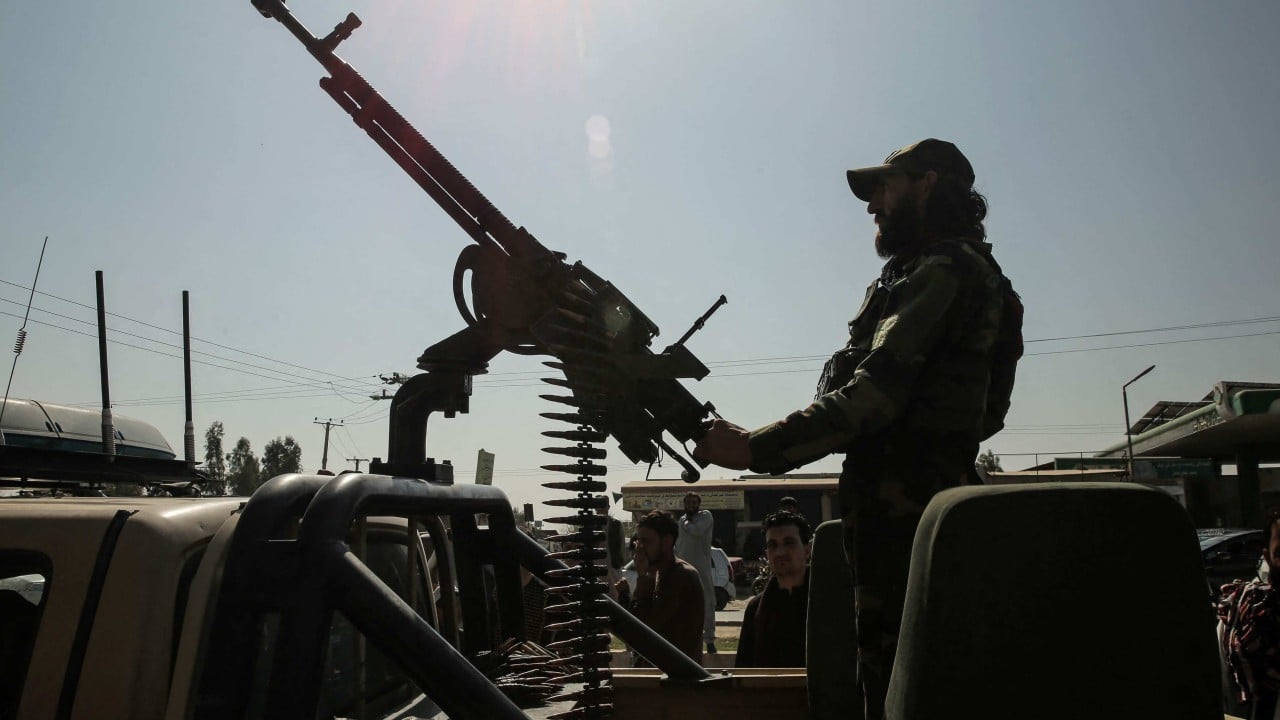
The TTP has ramped up its campaign, killing over 1,200 people in Pakistan in 2025 alone. Islamabad’s patience snapped. On February 21, 2026, Pakistan launched "Operation Ghazab Lil Haq," hitting targets in Kabul and Kandahar. The Taliban didn't blink. They hit back at military outposts, leading to the current state of "open war."
- TTP Attacks: More than doubled since the US withdrawal.
- Border Status: Major crossings like Chaman and Torkham are essentially dead zones.
- Refugee Crisis: Millions of Afghans are being pushed back across the border, creating a humanitarian disaster that further drains Pakistani resources.
The China and Saudi Arabia Factor
Pakistan isn't just answerable to the IMF. Its "all-weather friends" in Beijing and Riyadh are watching this blowup with mounting frustration. China has billions tied up in infrastructure projects that require a stable environment. Saudi Arabia has been parking billions in Pakistan's central bank to keep the currency from collapsing.
Both countries view the IMF program as a prerequisite for their own continued support. They aren't interested in bailing out a country that's actively picking a fight it can't afford. There's a lot of quiet pressure happening behind the scenes. If China and Saudi Arabia decide the risk is too high, the floor falls out from under the Pakistani Rupee.
A Nuclear State on the Edge
The scariest part of this isn't just the exchange of mortar fire. It's the fact that Pakistan is a nuclear-armed state facing an internal and external security meltdown. When you have a resurgent TTP inside your borders and a hostile government in Kabul, the "security of the assets" becomes a global conversation, not just a local one.
This isn't theory. The U.S. State Department recently ordered non-emergency personnel to leave consulates in Lahore and Karachi. That’s a massive red flag. When diplomats start leaving, investors aren't far behind. The dream of attracting foreign direct investment into Pakistan’s tech or energy sectors is effectively dead as long as jets are flying over Kabul.
What Happens if the IMF Walks
If the third review of the IMF program stalls, the consequences will be immediate. You'll see:
- Currency Freefall: The Rupee will lose value faster than the central bank can intervene.
- Import Paralysis: Without foreign exchange reserves, the country won't be able to buy essential medicines, fuel, or industrial raw materials.
- Default: The "D-word" becomes a reality, shutting Pakistan out of international markets for years.
Honestly, the government is stuck between a rock and a hard place. They can't ignore the TTP attacks without looking weak and losing control of the border regions. But they can't fight a war without bankrupting the country. It's a classic trap.
The only real path forward is a massive de-escalation. Pakistan needs to pivot back to diplomacy, even if it feels like a bitter pill to swallow. They need to reopen trade channels and find a way to manage the TTP threat that doesn't involve leveling Afghan cities. If they don't, the IMF won't just be a "lifeline"—it'll be a memory.
Keep a close eye on the official statements coming out of the IMF staff visit this week. If the language shifts from "constructive dialogue" to "monitoring the security situation," you'll know the rescue is in deep trouble. Your move should be to watch the Rupee-to-Dollar exchange rate and the Karachi Stock Exchange (KSE) 100 index for the first signs of a break. If you have assets tied up in the region, now's the time to look at your risk exposure.