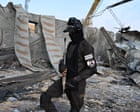
Pakistan just threw the dice on a high-stakes military gamble. By launching massive airstrikes into Afghan territory, Islamabad isn't just targeting militants—it’s trying to force a fundamental shift in how the Taliban operates. The logic is simple but brutal: make the cost of harboring the Tehreek-e-Taliban Pakistan (TTP) so high that the Kabul regime has no choice but to turn off the tap.
This isn't a minor border scuffle. We're looking at what Pakistan’s own Defense Minister recently called an "open war." After years of trying diplomacy, trade incentives, and targeted assassinations, the Pakistani state has pivoted to raw kinetic power. But as the smoke clears over Nangarhar and Paktika, the real question remains: will these strikes actually buy the security Pakistan craves, or are they just fueling a fire that’s about to jump the fence?
The strategy of raising the stakes
For a long time, Pakistan played a delicate game of "strategic depth" in Afghanistan. Those days are dead. The current military leadership has reached a breaking point with the Taliban's refusal to rein in the TTP. Since the Taliban took Kabul in 2021, terror attacks inside Pakistan have surged—reportedly jumping from 658 in 2022 to over 2,400 by late 2025.
The February 2026 strikes, dubbed Operation Gazab lil-Haq (Righteous Fury), represent a shift from "militant management" to "state-level coercion." By hitting targets in major hubs like Kabul and Kandahar, Pakistan is telling the Taliban leadership that their own assets and infrastructure are now on the table. It’s an attempt to break the "umbilical cord" between the Afghan Taliban and their Pakistani counterparts.
Honestly, the military's calculation is that the Taliban, now acting as a de facto state, has too much to lose. They have a population to feed and a fragile economy to run. If Pakistan shuts the border, cuts off transit trade, and keeps the jets in the air, the theory is that the Taliban will eventually find the TTP more of a liability than a brother-in-arms.
Why this gamble might backfire
While the tactical success of hitting "seven militant hideouts" looks good on a press release, the strategic reality is messier. You can't just bomb your way out of a deep-rooted insurgency that shares the same ethnic and ideological DNA as the people running the country you’re bombing.
Here’s where the plan hits a wall:
- The Pashtun Factor: These strikes often hit civilian areas, despite claims of "surgical" precision. When you kill civilians in Nangarhar or Paktika, you aren't just hitting a target; you're radicalizing the local population and strengthening the TTP’s narrative of "defending" the people against a foreign-backed military.
- The Blowback Loop: History shows that every major Pakistani military operation—from Zarb-e-Azb to the current strikes—triggers a wave of retaliatory suicide bombings in cities like Islamabad and Peshawar. We've already seen this with the horrific mosque attack in early February. It's a grisly cycle of action and reaction.
- Diplomatic Isolation: By striking inside Afghanistan, Pakistan is increasingly using the same playbook it once condemned when used by its neighbors. This erodes Islamabad's legal standing on the international stage, making it harder to complain when other regional powers decide to ignore borders in the name of "self-defense."
The human and economic wreckage
Beyond the maps and military jargon, the cost is being paid by people who have nothing to do with the TTP. Over 115,000 people have been displaced along the border since the hostilities ramped up. Schools are closed, hospitals have been hit, and the primary trade routes that keep both economies breathing are frequently padlocked.
For the average person in the tribal districts, "security" feels like a distant memory. They're caught between TTP militants demanding "taxes" and Pakistani artillery fire coming from the other direction. If the goal was to make Pakistanis feel safer, the current atmosphere of dread suggests the mission hasn't quite landed yet.
What happens next
Pakistan's military isn't likely to back down soon. They've framed this as an existential fight. You can expect to see an intensification of drone surveillance and potentially more "intelligence-based" operations deeper into Afghan territory.
If you're watching this situation, keep an eye on two things:
- Chinese Intervention: Beijing has a lot of money tied up in Pakistani infrastructure and doesn't like a hot war on its doorstep. They’ve already tried to cool things down once, and they might be the only ones both sides actually listen to.
- The Tirah Valley: Rumors of a massive ground operation in this TTP stronghold are growing. If that happens, the displacement and the violence will hit a whole new level.
Don't wait for the headlines to tell you things are "stabilizing." If you have interests in the region or are tracking security trends, start diversifying your logistics away from the northern border crossings. The "open war" isn't a temporary spike; it’s the new normal for the foreseeable future. Get your contingency plans ready for long-term border closures and increased urban security protocols in Pakistan’s major cities.