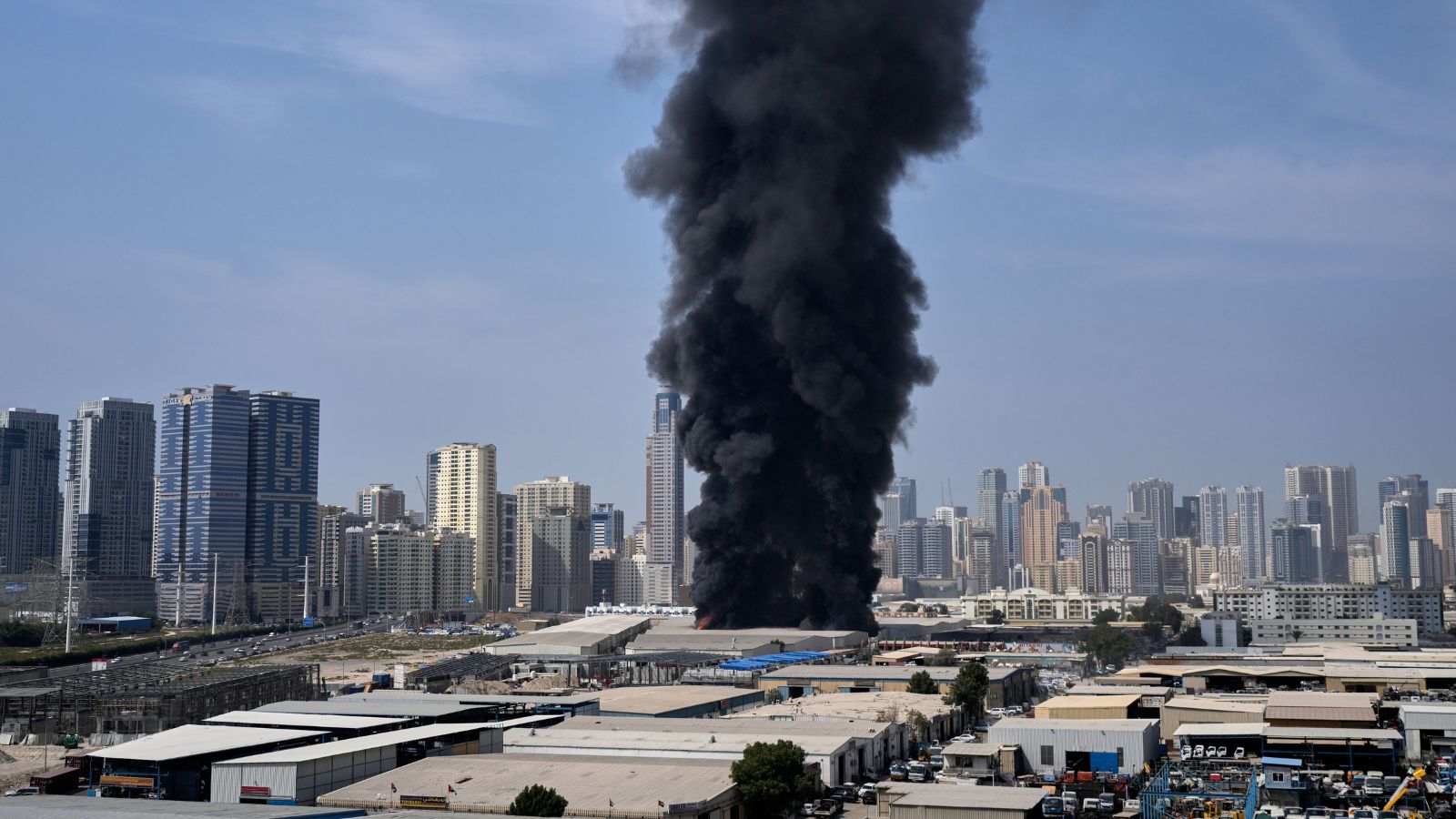
The Middle East has fractured. As the joint US-Israeli offensive against Iran enters its third day, the theater of operations has bled far beyond the borders of the Islamic Republic, transforming into a multi-front regional conflagration that defies the "contained strike" logic of the past decade. What began as a lightning campaign to decapitate the Iranian leadership has triggered a systemic collapse of regional security, with at least nine countries now reporting direct combat strikes, thousands of casualties, and the total closure of the world’s most sensitive energy arteries.
By the afternoon of March 2, 2026, the human and strategic costs have become impossible to ignore. The Iranian Red Crescent reports that at least 555 people have been killed inside Iran since Saturday, while retaliatory strikes by Tehran and its proxies have claimed lives in Israel, Lebanon, and Bahrain. The closure of the Strait of Hormuz by the Islamic Revolutionary Guard Corps (IRGC) has sent Brent crude skyrocketing, with analysts warning of a triple-digit price floor if the waterway remains a "kill zone" for tankers.
The Decapitation Gamble
The assassination of Supreme Leader Ayatollah Ali Khamenei in the opening hours of the campaign was intended to catalyze a rapid internal collapse of the regime. Instead, it has produced a volatile power vacuum. While President Donald Trump has publicly urged the Iranian people to "take back their country," the reality on the ground is a frantic scrambling of the remnants of the security apparatus.
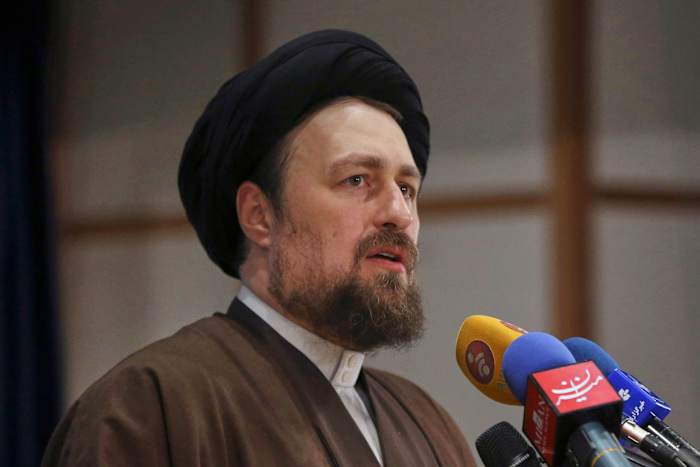
A temporary leadership triumvirate—comprising President Masoud Pezeshkian, the head of the judiciary, and a member of the Guardian Council—has ostensibly taken control, yet the real power appears to be vested in the Supreme National Security Council. Ali Larijani, the council's secretary, has issued a defiant refusal to negotiate, even as the White House signals an openness to future talks with "new leadership." This disconnect highlights the primary failure of the "decapitation" strategy: killing the figurehead does not automatically dismantle the deep-state infrastructure of the IRGC, which remains committed to a doctrine of asymmetric attrition.
Friendly Fire and the Kuwaiti Front
One of the most jarring developments of day three occurred not over Tehran, but over the skies of Kuwait. In a chaotic sequence involving Iranian drone swarms and panicked local responses, the US military confirmed that three American F-15E Strike Eagles were shot down by "apparent friendly fire" from Kuwaiti air defenses. While the crew members were recovered, the incident underscores the extreme fragility of the coalition’s coordination.
The US embassy in Kuwait City is currently under a high-security emergency, with black smoke rising from the diplomatic mission following missile and UAV threats. This spillover effect has turned traditional American allies into primary targets. The IRGC has shifted its focus toward US military hubs in Qatar, Bahrain, and the UAE, effectively holding the energy infrastructure of the Gulf states hostage in exchange for a cessation of the bombing campaign.
The Lebanon Escalation
To the north, the conflict has metastasized into a full-scale war between Israel and Hezbollah. Following a series of rocket attacks on northern Israel, the IDF launched a massive air offensive in Beirut and southern Lebanon, killing dozens and forcing a mass exodus of civilians. Israeli military officials have warned that a ground offensive remains "on the table," a move that would permanently tie down significant Israeli assets while Iran remains the primary objective.
The logic from Jerusalem is clear: to prevent a two-front war, they must preemptively neuter Hezbollah’s missile capabilities. However, this strategy ignores the political reality in Lebanon, where the strikes are galvanizing opposition to the West and strengthening the resolve of the "Axis of Resistance."
Economic Shockwaves and the Oil Squeeze
The global markets are currently in a state of freefall. With the Strait of Hormuz officially closed, 20% of the world’s daily oil supply is off the market. Major shipping firms have ordered hundreds of vessels to drop anchor in the Gulf of Oman, refusing to enter the narrow corridor after several tankers were struck by Iranian drone boats.
- Brent Crude: Has already surged past $80 a barrel, with projections hitting $120 if the blockade persists.
- Aviation: Major hubs in Dubai, Doha, and Kuwait remain closed, resulting in the most significant disruption to global air travel since the 2020 pandemic.
- Supply Chains: Key exports from India and Southeast Asia are facing indefinite delays as shipping routes are rerouted around the Cape of Good Hope.
A War Without an Exit
Defense Secretary Pete Hegseth has framed "Operation Epic Fury" as a mission to destroy Iran's nuclear potential and ballistic missile production rather than a "democracy-building exercise." Yet, by seeking regime change from 30,000 feet, the US and Israel have entered a commitment with no defined endpoint. The "big wave" of attacks promised by the Trump administration suggests that the current level of violence is merely the preamble.
The strategic irony is palpable. While the initial strikes successfully hit the Ministry of Intelligence and IRGC headquarters, the Iranian regime has responded by widening the theater. By making the war a regional catastrophe, Tehran is betting that the international community—and the American electorate—will lose their appetite for the conflict long before the IRGC runs out of missiles.
This is no longer a surgical operation. It is a fundamental reordering of the Middle East by fire, and the smoke from Tehran is only the beginning.
The United States must now decide if it is willing to commit ground forces to secure the vacuum it created, or if it will watch the region's existing order burn to the ground.