In the quiet, wood-paneled rooms of Islamabad, the air usually smells of expensive tea and the heavy weight of geography. To live in Pakistan is to live in a house with walls that are constantly vibrating from the arguments of the neighbors. To the west, Iran smolders with revolutionary defiance and a nuclear program that keeps the world’s superpowers awake at night. Across the turquoise waters of the Gulf, the wealthy monarchies—Saudi Arabia and the UAE—watch that same neighbor with a mix of ancient suspicion and modern dread. And then there is the United States, a distant giant whose footsteps can still shake the local soil.
When Washington and Tehran signal that they are ready to sit across from each other again, the rest of the world sees a headline. Pakistan sees a precarious tightrope.
For the Pakistani leadership, a thaw in U.S.-Iran relations isn't just a diplomatic development. It is a moment of extreme physical and economic pressure. Imagine being the person standing between two brawlers in a narrow alleyway, trying to keep them from swinging while also ensuring you don’t get pinned against the brickwork. This is the reality for a nation that cannot afford to lose its friends in the West, yet cannot survive a fire in its own backyard.
The Invisible Geography of Debt and Fuel
Geography is a destiny that no amount of political maneuvering can fully escape. Pakistan is a country of over 240 million people, a staggering number that requires an equally staggering amount of energy to keep the lights on and the factories humming. For years, the dream of an Iran-Pakistan gas pipeline has hovered like a mirage on the horizon—a solution to chronic energy shortages that remains blocked by the iron wall of international sanctions.
Every time a U.S. envoy sits down with an Iranian counterpart, the stakes for the average person in Karachi or Lahore shift. If the talks go well, perhaps the sanctions ease. Perhaps the gas begins to flow. Perhaps the cost of living, which has been crushing the middle class like a slow-moving hydraulic press, finally begins to stabilize.
But the calculus is never that simple.
Pakistan’s relationship with the Gulf states—specifically Saudi Arabia—is not merely diplomatic. It is umbilical. Billions of dollars in remittances flow from workers in the Kingdom back to their families in Pakistan. Central bank deposits from Riyadh often serve as the only thing keeping the Pakistani rupee from a total freefall. The Gulf monarchies view Iran’s regional ambitions as an existential threat. If Pakistan appears too eager to embrace a resurgent Iran, it risks alienating the very benefactors who keep its economy on life support.
The Silent Envoy
Consider the role of a career diplomat tasked with this balancing act. They aren't just reading briefing papers; they are managing a series of "what-ifs" that could lead to catastrophe.
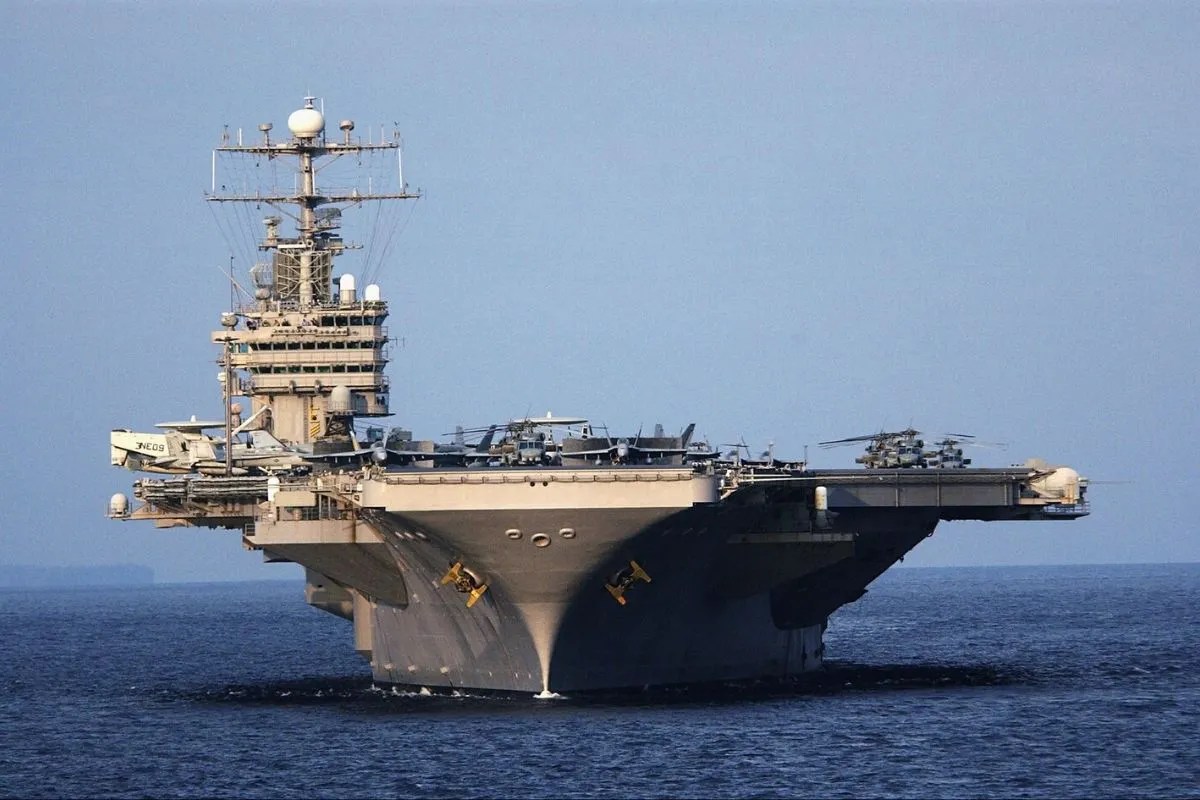
If the U.S. and Iran reach a stalemate and tensions boil over into a kinetic conflict, the Strait of Hormuz could become a graveyard for global trade. For Pakistan, this is a nightmare scenario. A maritime blockade or a spike in oil prices would result in more than just expensive fuel—it would mean food riots, crippled industries, and a level of instability that no government could easily contain.
So, Islamabad moves quietly. It acts as a shield, not through military might, but through the exhausting labor of mediation. By encouraging the U.S. to stay at the table and simultaneously reassuring the Gulf states that their security remains a priority, Pakistan tries to create a buffer. It is an attempt to ensure that if the giants fight, the smaller players aren't the ones who get trampled.
A History of Broken Glass
We have seen this play out before, and the scars remain visible. During the height of the "Maximum Pressure" campaign by the previous U.S. administration, the regional atmosphere was thick with the scent of ozone—the feeling of a storm about to break. Pakistan found itself pulled in three directions at once. It needed the U.S. for IMF bailouts and military cooperation. It needed the Gulf for oil and investment. It needed Iran to remain a stable, if complicated, neighbor to prevent the rise of cross-border militancy.
The complexity is dizzying.
When you look at a map, the border between Iran and Pakistan stretches across some of the most desolate and difficult terrain on earth. It is a land of shadows, where insurgents and smugglers move with more ease than armies. A hot war between Iran and the West would turn this border into a sieve of chaos. Refugees, weapons, and instability would pour across, adding more weight to a country already struggling with its own internal security challenges.
The Human Cost of High Stakes
Away from the grand strategy, there is the human element. There is the student in Quetta who wants to study across the border. There is the businessman in Dubai who sends half his paycheck home every month. There is the farmer in Punjab who can’t afford fertilizer because the global supply chains are kinked by geopolitical posturing.
These people don't care about the intricacies of the Joint Comprehensive Plan of Action (JCPOA) or the specific wording of a UN resolution. They care about the price of flour and the safety of their children. Yet, their fates are tied to whether a diplomat in a five-star hotel in Geneva can find a way to bridge a forty-year chasm of mistrust.
Pakistan’s effort to "shield" the Gulf isn't an act of charity. It is an act of self-preservation. By working to lower the temperature between Washington and Tehran, Islamabad is trying to prevent a regional conflagration that would leave no one untouched. If the Gulf states are protected from Iranian escalation, Pakistan is protected from the economic and social fallout that would follow.
The Weight of the Middle Ground
Being the middleman is a thankless job. You are often mistrusted by both sides. The U.S. sometimes views Pakistan's engagement with Iran as a betrayal of the "rules-based order." Iran often views Pakistan's closeness to the U.S. and Saudi Arabia as a lack of regional solidarity.
Yet, someone has to stand in that gap.
The resumption of talks is a fragile window of opportunity. It is a chance to move away from the brink. But for those watching from the capital of Pakistan, it is also a period of intense anxiety. They know that a single misstep, a leaked memo, or a sudden change of heart in a faraway capital can ruin months of careful balancing.
The strategy is clear: stay relevant, stay neutral, and above all, keep everyone talking. Because the alternative is a silence that would be deafening.
The sun sets over the Margalla Hills, casting long, deep shadows over the city of Islamabad. In those shadows, the work continues. It is the work of people who understand that in the game of global power, you don't always play to win. Sometimes, you play just to make sure the game doesn't end for everyone.
The world watches the headlines. Pakistan watches the horizon, waiting to see if the clouds will finally break, or if the storm is just getting started. It is a lonely, exhausting vigila, performed by a nation that has learned the hard way that when giants collide, the earth beneath them is the first thing to crack.