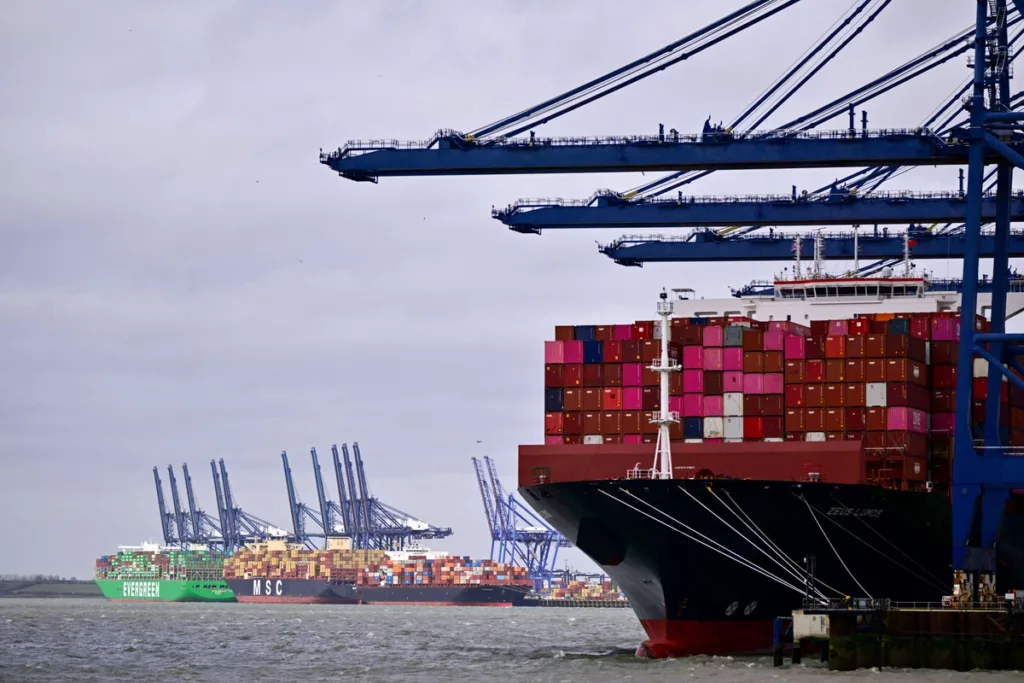
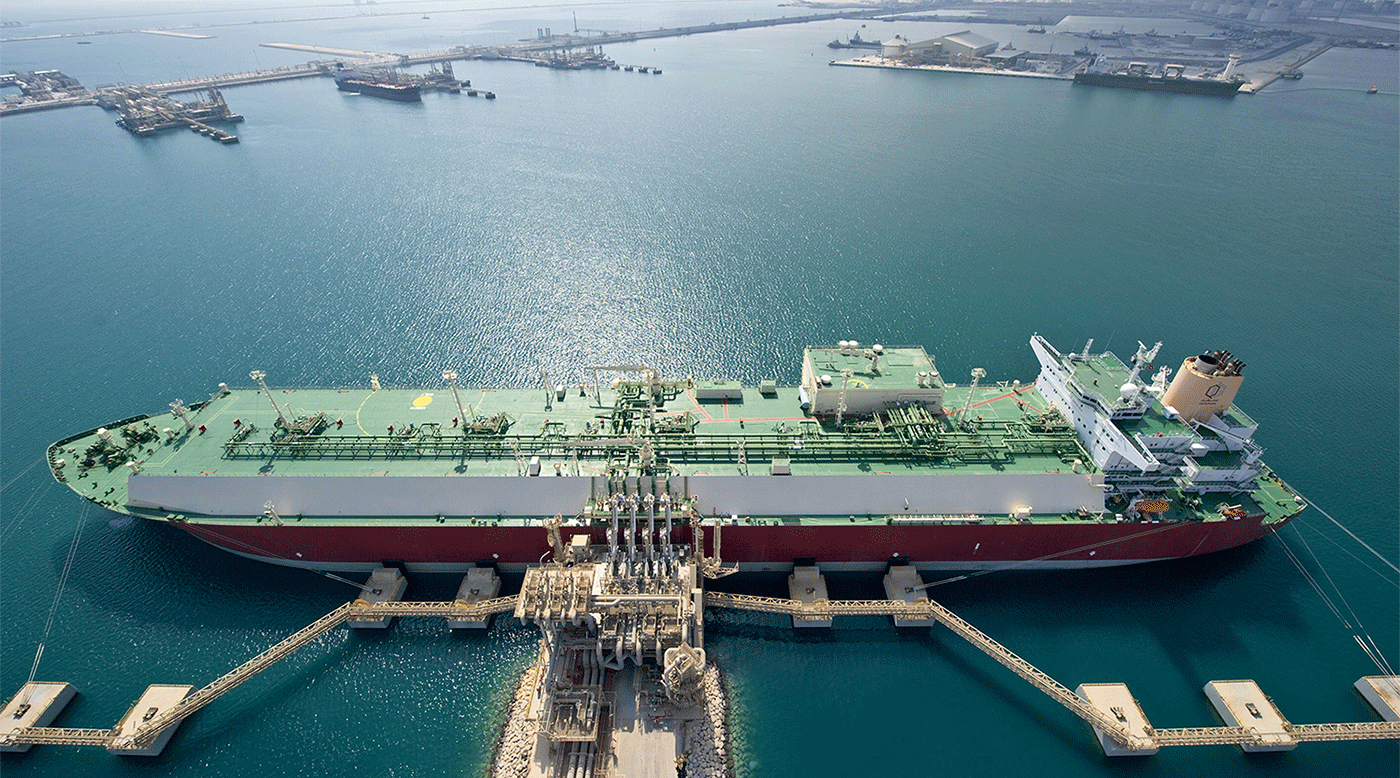
Current oil price appreciation is not a singular event but the convergence of structural supply deficits, geopolitical risk premiums, and the physical limits of global energy logistics. While surface-level reports focus on "fears," a rigorous analysis reveals that the market is pricing in the exhaustion of the global safety buffer. This upward pressure on crude is a function of three distinct layers of market tension: the depletion of physical inventories, the shrinking of global spare capacity, and the rising cost of maritime risk.
The Triad of Supply Constraints
To understand why prices are climbing, one must deconstruct the supply side into its constituent parts. The current environment is defined by an "Inelasticity Trap" where even significant price increases fail to trigger an immediate supply response.
- The Extraction Lag: Contrary to the perception of "turning on the taps," the time-to-market for new barrels ranges from months (for US shale) to years (for offshore deepwater).
- Spare Capacity Concentration: Global spare capacity—the volume of oil that can be brought online within 30 days and sustained—is currently concentrated almost exclusively in two nations: Saudi Arabia and the United Arab Emirates. When this buffer drops below 2% of global demand, the market loses its ability to absorb shocks, leading to exponential rather than linear price spikes.
- Refining Bottlenecks: High crude prices are exacerbated by a "crack spread" crisis. The world does not run on crude; it runs on refined products like diesel and jet fuel. Structural underinvestment in refinery capacity means that even if crude supply increases, the "throughput" capacity remains a hard ceiling on energy availability.
The Geopolitical Risk Premium as a Quantitative Variable
Geopolitical instability is often treated as a "vague fear," but in energy markets, it functions as a measurable insurance premium. Traders calculate the probability of a "chokepoint failure" and bake that probability into the futures curve.
- The Strait of Hormuz Factor: Roughly 20% of the world’s liquid petroleum passes through this 21-mile-wide waterway. A 5% probability of a 50% blockage creates a mathematical floor for Brent crude.
- The Red Sea Logistics Tax: Ongoing threats to maritime trade force tankers to take the Cape of Good Hope route. This adds approximately 10 to 14 days to a round trip from the Persian Gulf to Northern Europe. This is not just a delay; it is an effective reduction in the global tanker fleet’s capacity, as the same number of ships can now deliver fewer barrels per year.
The "risk premium" is the delta between the marginal cost of production ($60–$70 for many unconventional sources) and the current trading price. When prices exceed $90, the market is no longer pricing the cost of extraction; it is pricing the cost of potential disappearance.
The Strategic Petroleum Reserve and the Illusion of Liquidity
Government interventions, such as releases from the Strategic Petroleum Reserve (SPR), provide temporary psychological relief but often degrade long-term market stability. The SPR is intended for short-term physical disruptions (e.g., hurricanes), not for price manipulation.
When a government draws down its reserve to lower prices, it creates a "reloading liability." The market knows these barrels must be repurchased eventually. This creates a structural "bid" in the out-years of the futures curve, signaling to producers that demand will remain artificially high as inventories are replenished. Furthermore, as SPR levels hit 40-year lows, the "deterrence value" of the reserve vanishes. A low-SPR environment tells speculators that the "lender of last resort" for oil is out of ammunition.
Inventory Dynamics and the Backwardation Signal
A critical indicator of supply desperation is "backwardation," a market structure where the current price of oil is higher than the price for future delivery. This is the inverse of a healthy market (contango).
Backwardation signals that buyers are willing to pay a massive premium for immediate physical delivery rather than waiting for cheaper oil in six months. This drains inventories further because there is no financial incentive to store oil for the future. The lower the inventory, the higher the volatility. We are currently trapped in a feedback loop where low inventories drive backwardation, which in turn prevents inventory accumulation.
The Capital Discipline Constraint
Historically, high prices led to a "drilling frenzy." This mechanism is broken. The current cycle is defined by "Value over Volume."
- Public Market Pressure: Shareholders of major oil companies are demanding dividends and buybacks over exploration and production (E&P) CAPEX.
- The ESG Cost of Capital: The "Green Premium" has increased the cost of debt for fossil fuel projects. Even at $100 a barrel, many firms find it difficult to secure long-term financing for projects that take a decade to pay off.
- Service Inflation: The cost of rigs, labor, and proppant (sand) has risen by 20–30% in several basins. This moves the "breakeven" point higher, meaning the price must stay elevated just for the industry to maintain current production levels, let alone grow them.
Demand Destruction vs. Demand Displacement
The standard economic theory suggests that high prices eventually "cure" high prices by killing demand. However, energy demand is remarkably inelastic in the short term.
- Essential Mobility: Commuters do not stop driving when gas hits $4.50; they cut spending in other discretionary areas like retail and dining. This makes oil an "inflation export" to the rest of the economy.
- Industrial Feedstocks: Petrochemicals, fertilizers, and plastics require oil and gas as a base ingredient. There is no "switch" to flip to a renewable alternative for the production of nitrogen-based fertilizer.
- Emerging Market Sensitivity: While the West can subsidize or absorb higher costs, emerging markets face immediate "energy poverty." As these nations outbid each other for limited cargoes of Liquified Natural Gas (LNG) and crude, the global floor for prices rises globally.
The Logistics of a Fragmented Market
The shift away from Russian energy has re-routed the global map. Oil that once traveled 500 miles via pipeline now travels 5,000 miles via tanker. This "ton-mile" increase is a permanent increase in the cost of energy. You cannot optimize a system that is being re-engineered for resilience rather than efficiency. Every mile added to the journey is a mile where the oil is "trapped" in transit and unavailable for consumption, effectively tightening the market without a single barrel being lost.
Strategic Allocation of Capital in Volatile Regimes
The immediate strategic priority for energy consumers and investors is the transition from "Just-in-Time" to "Just-in-Case" energy procurement.
Organizations must hedge their exposure not just through financial derivatives, but through physical storage and supply-line diversification. The era of cheap, reliable, single-source energy is over. The "Fear" cited by headlines is actually a rational market response to the realization that the global energy system is operating at 98% utilization with zero margin for error.
Expect the Brent-WTI spread to widen as US domestic supply becomes the only reliable "swing" factor in a world where every other major producer is either maxed out or politically compromised. The volatility is the baseline; the price is merely the fever dream of a system with no slack.
The logical play for heavy energy users is a shift toward long-term fixed-price contracts and direct investment in "behind-the-meter" generation to decouple from a grid that is increasingly sensitive to the marginal cost of a barrel of oil. Efficiency is no longer a corporate social responsibility goal; it is a defensive requirement for solvency in a high-input-cost decade.