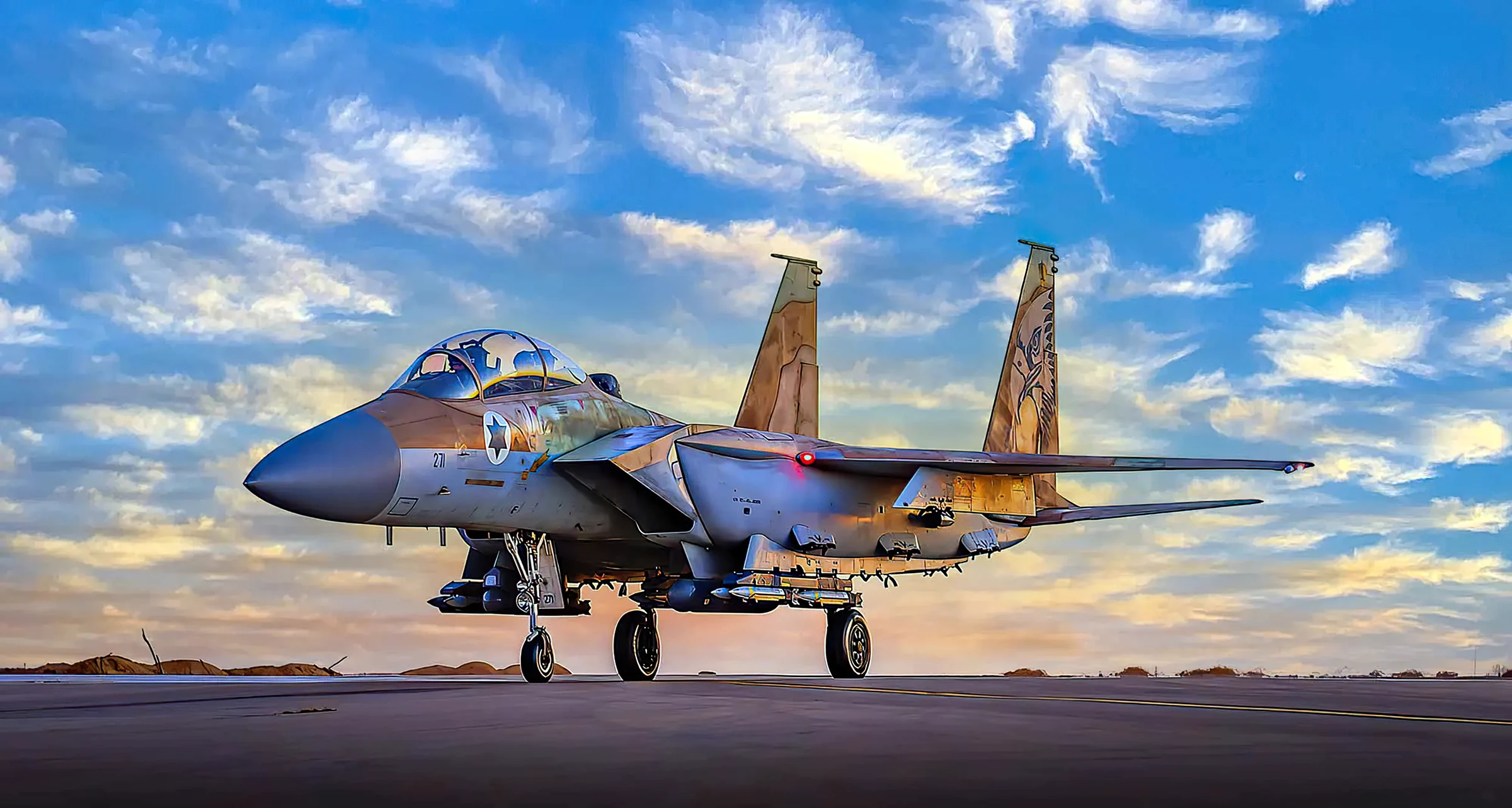
The press release was predictable. The U.S. Marines, operating in Puerto Rico, launched the Vector eVTOL (electric vertical take-off and landing) drone. The photos looked great. The sleek, carbon-fiber wings of the Quantum-Systems bird cut a fine profile against the Caribbean sky. The narrative is always the same: "increased situational awareness," "rapid deployment," and "technological superiority."
It is a lie. Or, at the very least, a very expensive distraction.
We are watching the military-industrial complex play a shell game with taxpayer dollars. While the headlines celebrate a single $200,000 drone performing basic reconnaissance in a permissive environment, the reality of modern peer-to-peer conflict is screaming something entirely different. We are buying Ferraris to do the job of a pickup truck, and we are doing it in the middle of a minefield.
The Vertical Take-Off Delusion
The selling point of the Vector is its eVTOL capability. No runway? No problem. It’s a seductive pitch for a Marine Expeditionary Unit (MEU) that prides itself on being "amphibious and agile." But here is the nuance the breathless reporting missed: complexity is the enemy of the grunt.
The mechanics required to transition from vertical lift to horizontal flight are a maintenance nightmare in a salt-spray environment. I have seen units struggle to keep basic quadcopters in the air after three days of humidity and sand. Adding tilt-rotor actuators and specialized software for "seamless" transitions just adds more points of failure.
In a real fight—not a training exercise in Puerto Rico—you don't need a drone that can do a ballet dance in the air. You need a drone that is cheap enough to lose.
The Vector is a "boutique" platform. When you're operating against a near-peer adversary like China or Russia, the sky isn't a playground; it’s a graveyard. Electronic warfare (EW) suites will fry the links of these mid-tier drones before they even reach their cruising altitude. If the drone costs as much as a luxury SUV, you can't afford to treat it as the consumable asset it needs to be.
The Intelligence Gap: Knowing More of Nothing
The common argument is that "more eyes in the sky" equals better decision-making. This is the "lazy consensus." In reality, we are drowning our lower-level commanders in data they don't have the bandwidth to process.
During these operations, a drone like the Vector streams high-definition video back to a Ground Control Station (GCS). Great. Now, who is watching it? The Corporal who hasn't slept in 48 hours? The Lieutenant who is trying to coordinate three different radio nets?
We are obsessed with the collection of intelligence and completely illiterate in the filtering of it. By giving every platoon a high-end drone, we aren't making them smarter; we are making them slower. They become tethered to the screen, waiting for the "perfect" picture before moving. This is the death of maneuver warfare.
True "situational awareness" doesn't come from a 4K feed of a ridgeline. It comes from the ability to move faster than the enemy can react. These drones often act as a psychological anchor, keeping Marines stationary while they "check the next hill."
The Logistics of a "Lightweight" Solution
The Vector is marketed as a backpackable system. Take a look at the actual kit. Once you include the GCS, the spare batteries, the ruggedized cases, and the specialized maintenance tools, you aren't looking at a "lightweight" addition. You are looking at a significant logistical burden.
- Battery Density: We are still limited by the physics of lithium-ion. In cold weather or high-humidity environments, advertised flight times are a fantasy.
- Proprietary Parts: You can’t fix a Vector with duct tape and a multi-tool. If a proprietary motor burns out in a remote location, that $200,000 asset is now an expensive paperweight.
- Signature Management: These drones emit a massive RF (Radio Frequency) footprint. In Puerto Rico, nobody is looking for the GCS signal. In a real war, that signal is a "Value-Added Target" for long-range artillery.
Stop Buying Icons, Start Buying Attrition
The Marine Corps needs to stop chasing the "silver bullet" drone. The obsession with high-end, multi-mission platforms like the Vector ignores the biggest lesson of the last three years of global conflict: quantity has a quality all its own.
While we spend millions on a handful of Vectors, our adversaries are mass-producing $5,000 FPV (First Person View) drones that can carry a shaped charge directly into the hatch of an Abrams tank. We are bringing a dueling sword to a shotgun fight.
If you want to actually "disrupt" the battlefield, you don't buy ten Vectors. You buy 10,000 "dumb" drones. You saturate the airspace. You make it impossible for the enemy to jam everything. You embrace the fact that the drone will likely only fly once.
The Counter-Intuitive Truth
The Vector is a fantastic piece of engineering. It is also the wrong tool for the future of the Marine Corps.
By investing in these high-gloss, high-cost systems, we are reinforcing a culture of "exquisite" technology. We are training our Marines to rely on a system that will be the first thing to blink out when the GPS goes dark and the jammers turn on.
The "People Also Ask" crowd wants to know if the Vector makes the Marines more lethal. The honest answer? Only if the enemy agrees to play by our rules. If the enemy refuses to be seen, or if they decide to flood the zone with cheap, kamikaze tech, the Vector becomes a very expensive way to watch yourself lose.
We need to stop celebrating these "successful operations" in controlled environments. They are marketing stunts disguised as training. The real test isn't whether a drone can fly over Puerto Rico; it's whether it can survive thirty seconds in a contested electromagnetic environment where everything that emits a signal dies.
Until we prioritize attrition over aesthetics, we aren't innovating. We're just shopping.
Get rid of the boutique contracts. Standardize a low-cost, disposable airframe. Teach Marines how to fly without GPS. If the drone doesn't cost less than a crate of ammunition, it has no business in the infantry.
Put down the controller and pick up a map. The screen is lying to you.