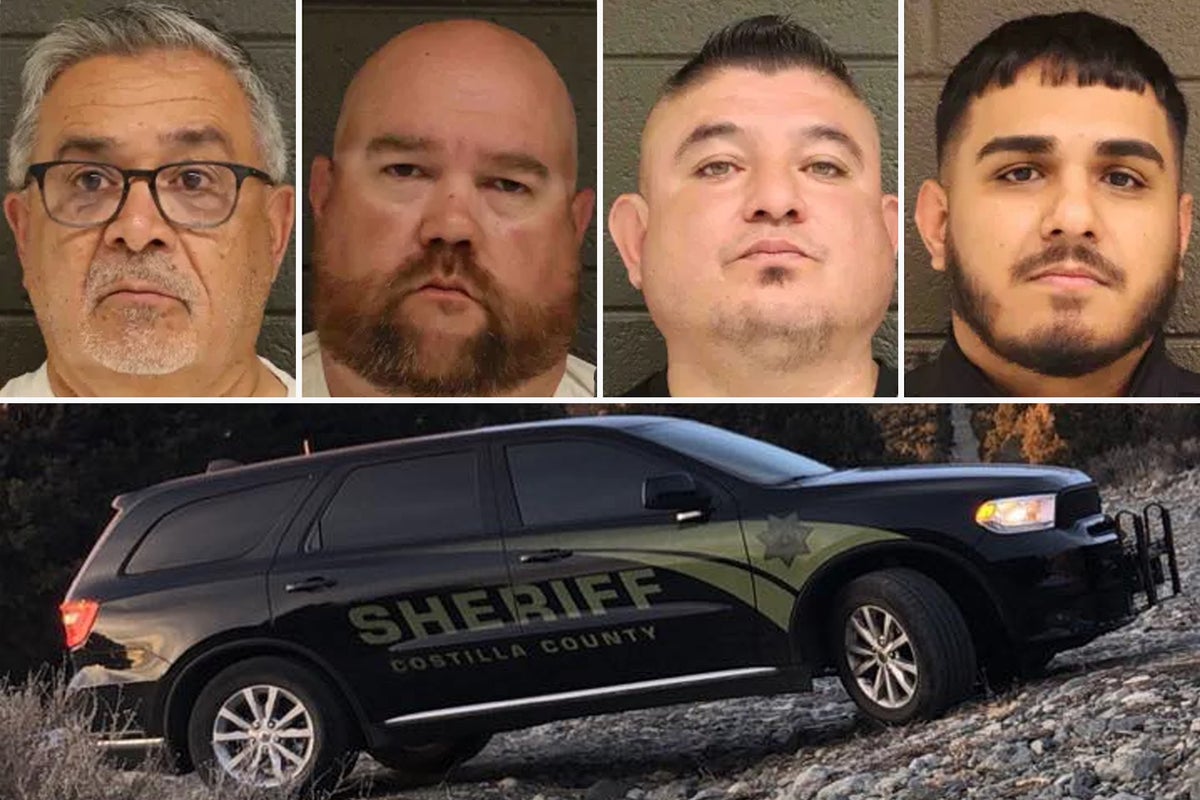
Half of a police force doesn't just end up in handcuffs by accident. In Kiowa County, Colorado, the news isn't just a local scandal. It's a complete systemic failure. When a grand jury hands down indictments against three out of the six members of a rural sheriff's office, the "bad apple" argument stops working. You're looking at a rotten tree.
The charges involve a staggering lack of basic human decency. We aren't talking about paperwork errors or missed training hours. We're talking about the abuse of a corpse, official misconduct, and a list of felonies that sound like they belong in a dark crime novel rather than a tiny town in the Colorado plains. This case highlights a terrifying reality for rural America. When the people hired to protect you are the ones desecrating the dead and violating the law, where do you go?
Why Small Town Oversight Fails So Badly
The Kiowa County situation didn't happen in a vacuum. Rural law enforcement often operates with almost zero external eyes. In a department with only six people, including the sheriff, who's watching the watchers? The indictments against Undersheriff Tracy Weisenhorn and Deputies Quinten Stump and Casey Sheridan suggest that for a long time, nobody was.
Small departments often struggle with a lack of resources, but that’s a pathetic excuse for what happened here. The abuse of a corpse charge stems from an incident involving the body of Zach Gifford, a man shot and killed by deputies during a 2020 traffic stop. Reports indicate that those involved didn't just fail to secure the scene. They treated a human being’s remains with a level of disrespect that is frankly hard to stomach.
When power is concentrated in a tiny group, a "circle the wagons" mentality takes over. Internal affairs isn't a separate department in Kiowa County. It’s just the guy in the next desk. That creates a culture of silence where misconduct becomes the standard operating procedure. It's a dangerous feedback loop.
The Killing of Zach Gifford and the Trail of Misconduct
You can't understand these indictments without looking at the death of Zach Gifford. He was 39 years old. He was unarmed. He was shot three times in the back while trying to run away. That’s not "police work." That’s an execution.
Deputy Quinten Stump was already facing charges for that shooting before these new indictments landed. The fact that the department continued to spiral after such a high-profile tragedy tells you everything you need to know about the leadership. Or lack thereof.
- Official Misconduct: This isn't just a "oops" moment. It's a deliberate choice to ignore the rules of the job.
- Abuse of a Corpse: This charge usually involves the unauthorized handling or mistreatment of a body. In this context, it suggests the deputies treated Gifford’s body as an afterthought or an object to be manipulated rather than evidence in a homicide investigation.
- Conspiracy: This is the big one. It means they talked about it. They planned it. They worked together to break the law.
If you live in a city, you might have dozens of oversight boards and a massive media presence. If you live in Eads, Colorado, you have a few overstretched reporters and a sheriff who might be your neighbor. The power dynamic is completely skewed.
The Cost of Professional Immunity
We hear a lot about "qualified immunity." It’s the legal shield that protects cops from being sued personally. While these are criminal indictments, the culture of "we can get away with anything" starts with that legal protection. The deputies in Kiowa County acted like they were untouchable.
Sheriff Forrest Frazee hasn't been indicted, but he's the captain of a sinking ship. When half your staff is facing felony charges, your resignation shouldn't just be a suggestion. It should be a given. He oversaw a department where deputies felt comfortable allegedly abusing a corpse. That doesn't happen under "good" leadership.
The community of Kiowa County is now left in a lurch. With three out of six officers gone, the Colorado Bureau of Investigation and neighboring counties have to pick up the slack. Taxpayers are paying for the crimes of the people they paid to protect them. It's a double hit to the wallet and the soul of the town.
Rebuilding From the Ashes of a Department
How does a town move on? Honestly, you probably don't. You don't "fix" a department where 50% of the staff is indicted. You tear it down and start over.
The state needs to step in. There's a growing argument that departments this small shouldn't even exist. When a force is so tiny that it can't provide its own checks and balances, it's a liability. Merging these tiny offices into regional task forces or letting the State Patrol handle rural areas might be the only way to ensure professional standards.
If you're a resident in a rural area, you should be asking your county commissioners some hard questions right now.
- Who audits the sheriff’s evidence locker?
- What is the process for filing a complaint that doesn't go directly to the person you're complaining about?
- How many use-of-force incidents have gone unreported?
The Kiowa County indictments are a wake-up call for every rural county in the country. This isn't just about one bad night or one bad stop. It’s about what happens when we let law enforcement operate in the dark. The light is finally on in Kiowa County, and what it revealed is a nightmare.
Demand transparency now. Don't wait for a tragedy to find out your local police are operating outside the law. Check your local budget. Attend the commissioner meetings. Make it clear that "rural" doesn't mean "unregulated." The people of Kiowa County deserved better. Zach Gifford deserved better. And unless things change, this won't be the last time a small-town department collapses under the weight of its own corruption.